

California professors adopt paper and pencil to counter AI in classrooms
Some educators are banning electronic devices during exams and grading only in-class work to ensure academic integrity.
 AI & Cyber Desk 2 min read
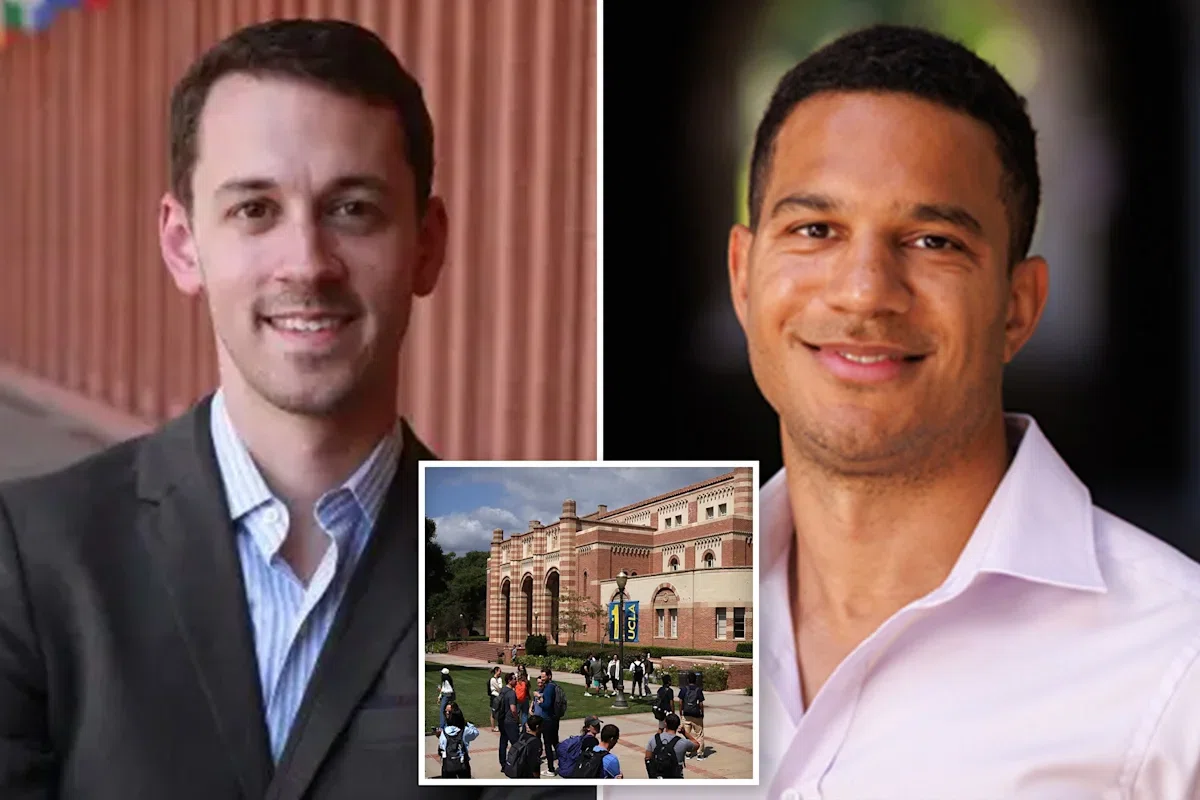
Artificial intelligence has disrupted college classrooms, leading some prominent California professors to return to paper-based assessments. At UCLA, statistics and data science lecturer Thomas Maierhofer conducts all exams in-person on paper without phones or laptops. He grades homework and labs outside of class only on completion.
Richard Borcherds, a math professor at UC Berkeley, has moved to basing grades mainly on in-person exams where no electronic devices are allowed. He said online exams are a waste of time because several students use AI to answer questions, noting that average scores increase significantly during online exams.
Morgan Polikoff, a professor of education at the USC Rossier School of Education, said he planned to switch more undergraduate assignments to sit-down, paper-and-pencil tests. He noted that it is increasingly difficult to know what students know and can do. Polikoff said he found it easy to spot a freshman using AI for a paper after he had banned the technology.
At Stanford Law School, professor Julian Nyarko said that trying to restrict student access to AI is a fantasy because most students already have it. Nyarko said AI will require significant changes in how education is conducted.
Stanford provides all students free access to ChatGPT, Gemini, and Claude through a pilot running until August 2027. Unless an instructor sets a stricter rule, students may use AI to help them learn but cannot pass off its work as their own.
USC pays approximately $3.1 million a year for a ChatGPT Edu subscription for 80,000 users. The university leaves AI rules up to individual instructors, who can set their own course-specific policies.
Key facts
- Thomas Maierhofer at UCLA uses in-person paper exams without phones or laptops.
- Richard Borcherds at UC Berkeley bases grades mainly on in-person exams without electronic devices.
- USC pays $3.1 million annually for a ChatGPT Edu subscription for 80,000 users.
- Stanford provides free access to ChatGPT, Gemini, and Claude to students until August 2027.
Three perspectives
Neutral
California professors are using different strategies to manage artificial intelligence, ranging from banning technology during exams to providing students with AI subscriptions.
Positive
Thomas Maierhofer is developing ALISSTAIR, a custom chatbot built to support student learning.
Negative
Richard Borcherds said online exams are a waste of time because students use AI to answer questions, leading to higher average scores.
Your week in news, every Wednesday
The biggest stories of the week for your edition, in your inbox every Wednesday morning, your time. Free, and you can unsubscribe at any time.