

Antigua and Barbuda considers residency model to replace citizenship programme
A proposed residency programme could attract wealthy investors and support the transition as European pressure threatens the future of the Citizenship by Investment Programme.
 Politics Desk 2 min read
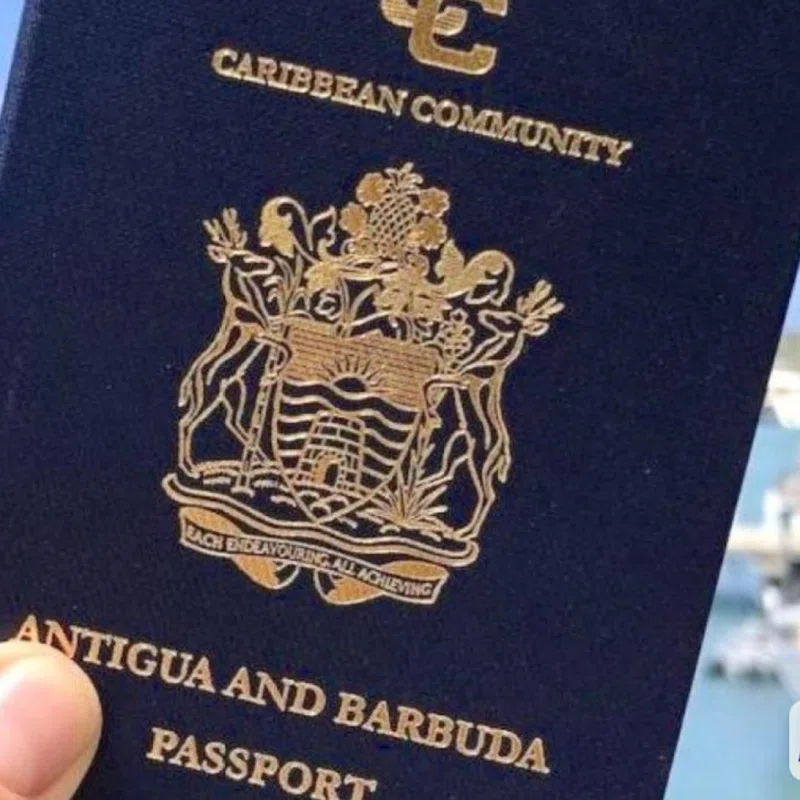
The future of the Citizenship by Investment Programme (CIP) is a major economic question for Antigua and Barbuda. European Commissioner for Internal Affairs and Migration Magnus Brunner formally requested on June 25, 2026, that the country phase out its CIP by June 1, 2028. This request was confirmed in a government statement issued on July 7.
Under revised European Union visa suspension mechanisms, the continued operation of citizenship by investment programmes can be grounds for suspending visa-free access to the Schengen Area. Prime Minister Gaston Browne has been negotiating to protect national interests. He formally requested an extension until the end of 2030, along with financial and technical assistance to manage the economic consequences of closing the programme.
One option to preserve revenue is a residency-based model used by other island economies. In the Turks and Caicos Islands, permanent residence is available through property investments starting at US$300,000 on certain islands and US$1 million in Providenciales. Anguilla offers permanent residence through a contribution starting at US$150,000 for a single applicant or real estate investments of US$750,000 for a family of four.
Other jurisdictions include the Bahamas, which offers economic permanent residence through qualifying investments starting at US$1 million. The Cayman Islands offer permanent residence through investments of at least CI$2 million in developed real estate. Bermuda requires a qualifying economic investment of BD$2.5 million.
A residency programme could encourage different economic relationships than the traditional CIP model. While CIP applicants may obtain citizenship and never develop a meaningful economic presence, residency investors who establish homes spend money on property, construction, transport, healthcare, and restaurants. This could generate continuing government revenue through the Antigua and Barbuda Sales Tax (ABST) and import duties.
Key facts
- European Commissioner Magnus Brunner requested the phase out of the CIP by June 1, 2028.
- Prime Minister Gaston Browne requested an extension for the programme until the end of 2030.
Three perspectives
Neutral
Antigua and Barbuda is considering a transition from a citizenship by investment model to a residency-based model to address international pressure.
Positive
A residency programme could support local businesses and generate continuing government revenue through local spending and taxes.
Negative
The continued operation of citizenship by investment programmes could lead to the suspension of visa-free access to the Schengen Area.
Your week in news, every Wednesday
The biggest stories of the week for your edition, in your inbox every Wednesday morning, your time. Free, and you can unsubscribe at any time.