

Advocates call for integrated care following death of actor RJ Mitte
Dr Denise Al Mari-de Waal and Aaron Hume seek lifelong support and mental health services for people with cerebral palsy.
 Health Desk 2 min read
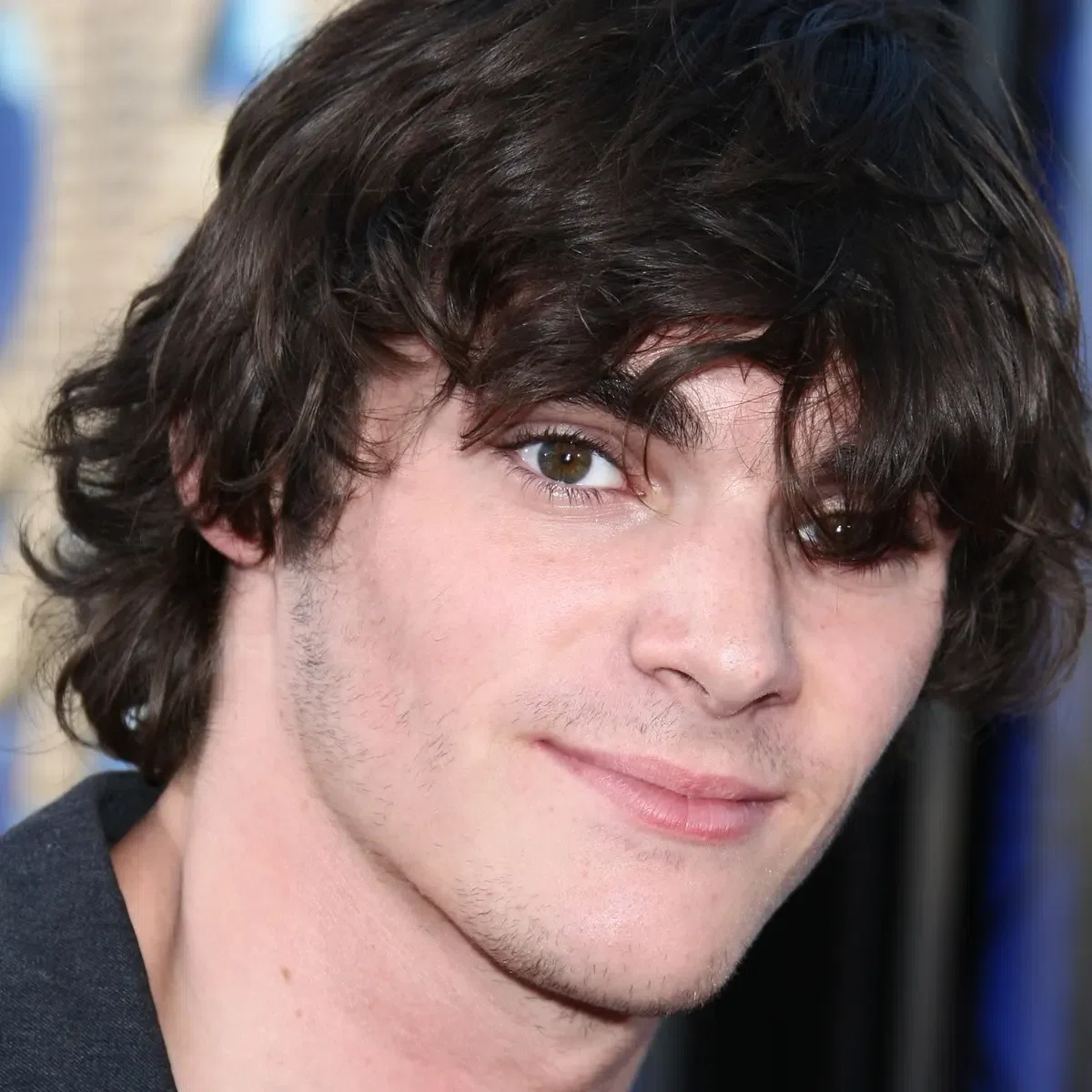
Dr Denise Al Mari-de Waal and Aaron Hume of The Adult Cerebral Palsy Movement are calling for lifelong support and an integrated care pathway for people with cerebral palsy. They state this pathway must recognise the physical and mental health impacts of the condition, including access to specialist mental health services.
The call follows the death of RJ Mitte, an actor best known for Breaking Bad, who died aged 34 on 12 October. His success challenged assumptions and showed what can be achieved when people are given opportunities and support.
In the UK, 165,000 people live with cerebral palsy. Many face a cliff edge when they turn 18, as the care and support received during childhood often disappears during the transition into adulthood.
People with cerebral palsy are more likely to develop mental health conditions and experience poor wellbeing. Advocates say the community faces prejudice, low expectations, and barriers that others rarely encounter.
The group notes that many are excluded from opportunities, left feeling isolated, and denied the support needed to reach their full potential. They argue that while people with cerebral palsy can and do thrive, success should not depend on resilience alone.
Key facts
- RJ Mitte, an actor known for Breaking Bad, died aged 34 on 12 October.
- There are 165,000 people with cerebral palsy in the UK.
- Dr Denise Al Mari-de Waal and Aaron Hume are calling for an integrated care pathway that includes specialist mental health services.
Three perspectives
Neutral
Dr Denise Al Mari-de Waal and Aaron Hume are calling for lifelong support and integrated care for people with cerebral palsy.
Positive
RJ Mitte's success challenged assumptions and showed what can be achieved with opportunity and support.
Negative
People with cerebral palsy in the UK often face a cliff edge of disappearing support when they turn 18.
Your week in news, every Wednesday
The biggest stories of the week for your edition, in your inbox every Wednesday morning, your time. Free, and you can unsubscribe at any time.