

Bhutan faces healthcare and civil service workforce shortages
The Health Ministry is developing a National Health Workforce Strategy to address a shortage of 700 medical professionals.
 Business Desk 2 min read
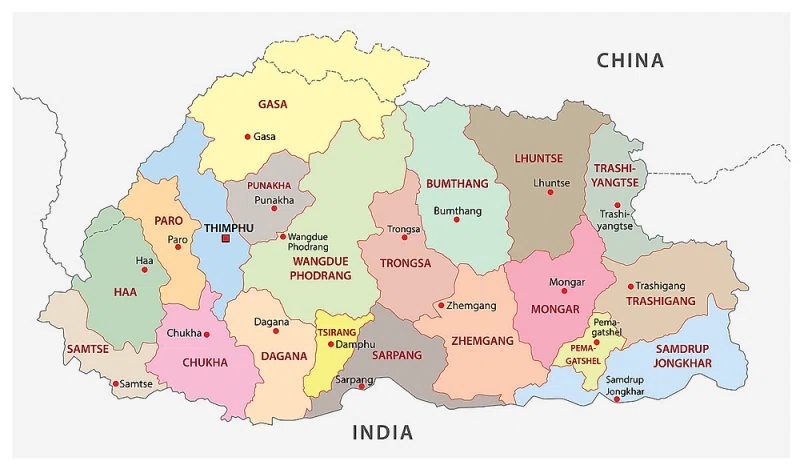
Bhutan faces a shortage of approximately 700 healthcare professionals, including general doctors, specialists, and nurses. While the country needs nearly 3,000 such professionals, there are currently only 2,300. The Health Ministry is developing a National Health Workforce Strategy to understand these gaps and plan for the required workforce.
The Health Ministry reports that Bhutan loses around 200 health professionals every year due to retirement, resignation, and other reasons. Although recruitment has increased in recent years, gaps remain, and there are currently more health assistants than required.
The civil service also experienced 2,563 departures in the last fiscal year, which is 186 more than the 2024-2025 year. The Royal Civil Service Commission (RCSC) stated this increase was mainly due to contract completions and retirements, though voluntary resignations declined.
To address skills gaps, the government has launched three programmes: Gyalsung, De-suung, and Pelsung. Gyalsung is a mandatory one-year integrated training program for youths aged 18, covering military training, national education, and specialized skills. De-suung trains volunteers in disaster management and community service, while Pelsung serves as a youth capability platform to prepare citizens for national transformation projects like the Gelephu Mindfulness City.
These initiatives aim to create a more skilled workforce, reduce dependence on foreign expertise, and potentially slow emigration. Strengthening Bhutan's internal capacity may also lead to a more balanced and sustainable relationship with India by making Bhutan a stronger development partner.
Key facts
- Bhutan has a shortage of about 700 doctors, specialists, and nurses.
- The Health Ministry loses approximately 200 health professionals annually to retirement and resignation.
- The civil service saw 2,563 departures in the last fiscal year.
- Three national programmes, Gyalsung, De-suung, and Pelsung, aim to address skills gaps.
Three perspectives
Neutral
Bhutan is implementing national training programmes to address ongoing skills gaps and workforce retention challenges.
Positive
The Gyalsung, De-suung, and Pelsung programmes aim to create a more skilled, resilient workforce and reduce dependence on foreign expertise.
Negative
Bhutan continues to face a shortage of healthcare professionals and frequent departures from the civil service.
Your week in news, every Wednesday
The biggest stories of the week for your edition, in your inbox every Wednesday morning, your time. Free, and you can unsubscribe at any time.