

 United Kingdom
Sanctioned Russian tanker Myra issues distress signal in North Atlantic
The vessel, which is under UK sanctions, encountered waves of 8.8 metres and wind gusts of 130 km/h while travelling from Russia to Egypt.
 Random News Desk 2 min read
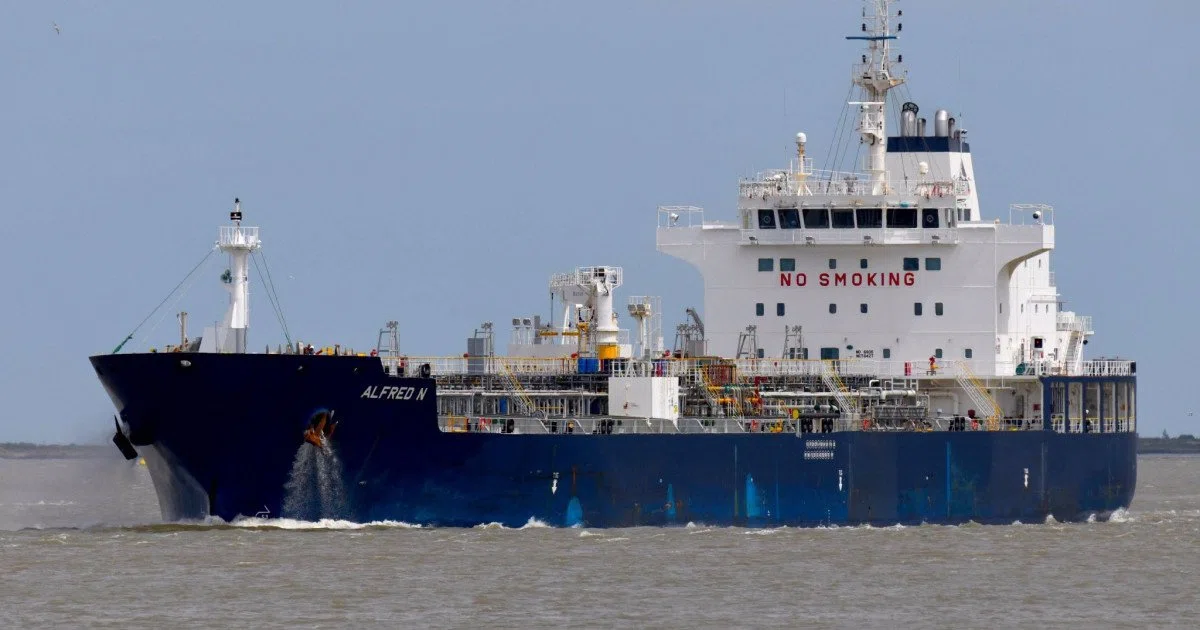
The oil tanker Myra, which is under UK sanctions, issued a distress signal in the North Atlantic on 24 October while encountering severe weather. The vessel was approximately 348 kilometres off the coast of Ireland and between 270 and 290 nautical miles west of Northern Ireland and the Outer Hebrides.
At the time of the alert, waves in the area reached 8.8 metres and wind gusts approached 130 km/h. Despite the conditions, the tanker was moving at approximately 9 knots.
The UK Coastguard coordinated a response that included sending an RAF P-8A Poseidon to assist. The aircraft established communication with the tanker, which had 21 people on board. The crew reported that the distress signal had been activated as the vessel was leaving an area of rough seas.
Following an assessment of the situation, the vessel continued its voyage. The Myra was travelling in ballast from the Russian port of Ust-Luga to Port Said in Egypt.
The tanker is subject to sanctions from the United Kingdom, the United States, the European Union, Canada and Switzerland. The British government's designation cites reasonable grounds to suspect the ship has been involved in transporting Russian-origin oil or oil products to a third country.
Key facts
- The Myra issued an Inmarsat-C distress alert on 24 October.
- The vessel was facing waves of 8.8 metres and wind gusts of 130 km/h.
- There were 21 people on board the tanker.
Three perspectives
Neutral
The Myra was travelling from the Russian port of Ust-Luga to Egypt when it encountered severe weather in the North Atlantic.
Positive
An RAF aircraft established communication with the tanker and the UK Coastguard coordinated a response to the distress signal.
Negative
The tanker is part of a sanctioned shadow fleet and was operating in treacherous conditions with waves reaching 8.8 metres.
Your week in news, every Wednesday
The biggest stories of the week for your edition, in your inbox every Wednesday morning, your time. Free, and you can unsubscribe at any time.