 Mongolia
Mongolian Filmmaker Discusses Urban Life
Lkhagvadulam Purev-Ochir's films portray modern Mongolia beyond folklore, focusing on Ulaanbaatar's urban struggles and spiritual transitions. Her characters inhabit apartment blocks, handling housing and money issues, sex and relationships, and traditional cultural expectations.
 Global Newsflix 2 min read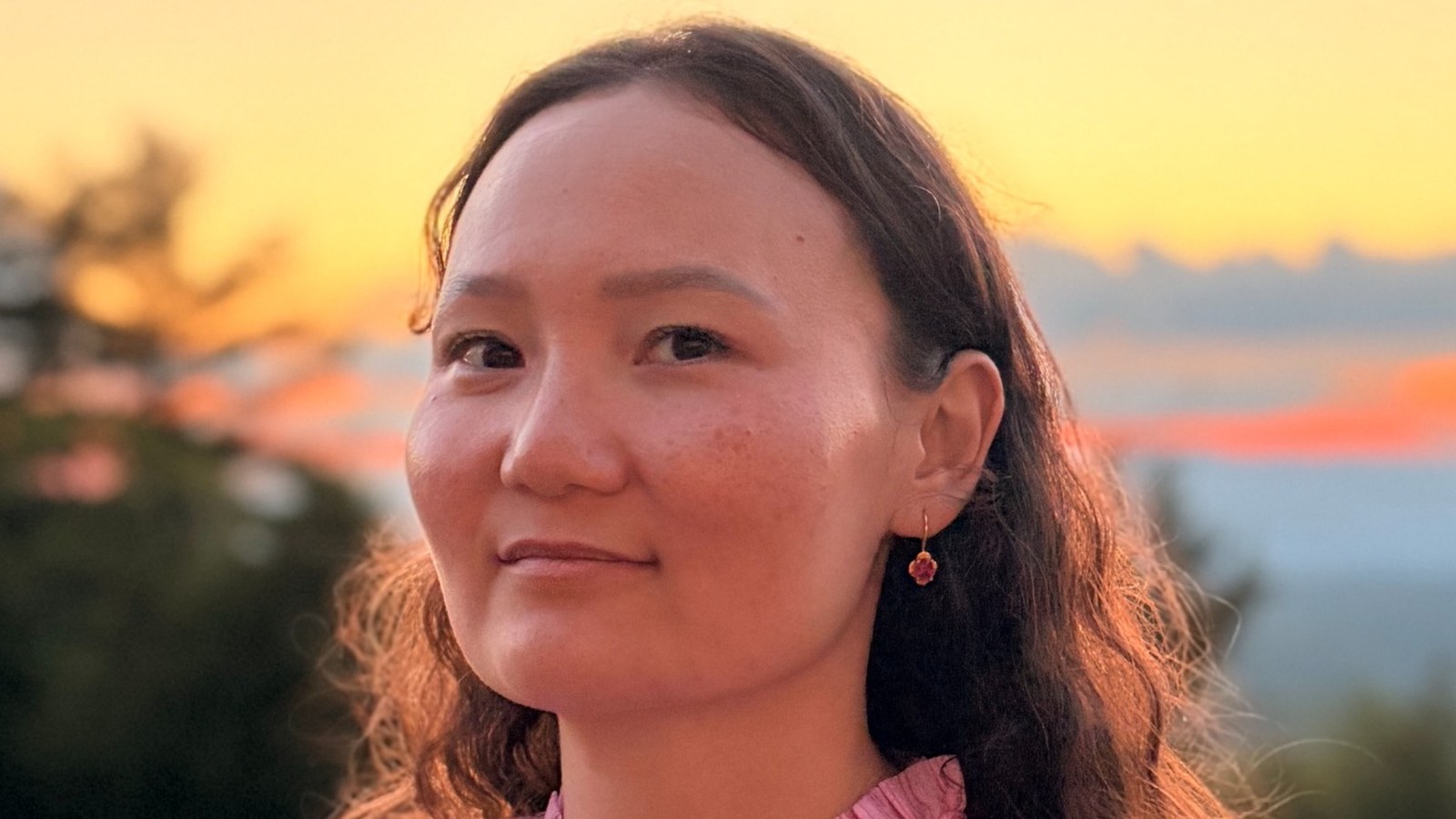
Lkhagvadulam Purev-Ochir has emerged as a distinctive voice in Mongolian cinema, exploring the tensions between modern urban life and traditional culture. Her films feature characters living in Ulaanbaatar's apartment blocks, struggling with housing and financial issues.
Purev-Ochir's interest lies in transitions, such as those between adolescence and adulthood, intimacy and isolation, and the physical and spiritual worlds. She describes Ulaanbaatar as a difficult city to capture on screen, often becoming an 'inner landscape' in her films.
Mongolia has experienced rapid transformations, from communism to democratisation and globalisation. Ulaanbaatar's expansion has made housing both an aspiration and a source of frustration, while the country's international image remains tied to a nomadic culture.
For Purev-Ochir, cinema offers a way to explore these contradictions without resolving them. She discusses why apartment ownership has become a 'dream and nightmare' for many Mongolians, and why she worries that Mongolians are orientalising their own culture.
Purev-Ochir's first feature, City of Wind, continued her exploration of young Mongolians handling modern urban life, family, desire, and spirituality. Her earlier shorts, such as Mountain Cat and Snow in September, also explored these themes.
Purev-Ochir's films are not simply portraits of Ulaanbaatar, but rather explorations of what it means to be Mongolian in a rapidly changing world. Her characters struggle with expectations placed on young men and women, and move between traditional cultural and spiritual reference points.
The country's rapid transformations have led to a disconnection between urban and rural areas, with many urban Mongolians physically removed from the nomadic culture that dominates the country's international image.
Key facts
- Lkhagvadulam Purev-Ochir is a Mongolian filmmaker exploring modern urban life and traditional culture.
- Her films feature characters living in Ulaanbaatar's apartment blocks, struggling with housing and financial issues.
- Mongolia has experienced rapid transformations, from communism to democratisation and globalisation.
- Apartment ownership has become a 'dream and nightmare' for many Mongolians.
Three perspectives
Neutral
Lkhagvadulam Purev-Ochir's films offer a nuanced portrayal of modern Mongolia, highlighting the complexities of urban life and traditional culture. To better understand the country's transformations, it is necessary to consider the perspectives of both urban and rural communities. The future of Mongolian cinema will likely be shaped by the country's ongoing development and cultural shifts.
Positive
Purev-Ochir's films provide a unique insight into the lives of young Mongolians, showcasing their struggles and aspirations in a rapidly changing world. Her work has the potential to promote cross-cultural understanding and challenge dominant narratives about Mongolia. By exploring the complexities of modern urban life, Purev-Ochir's films can help to foster a more nuanced appreciation of Mongolian culture.
Negative
The dominance of traditional cultural imagery in Mongolia's international image may be limiting the country's ability to showcase its modern urban life and cultural diversity. Purev-Ochir's films highlight the need for a more nuanced understanding of Mongolia, one that acknowledges the complexities and challenges of urban life. The country's rapid transformations also raise concerns about the erosion of traditional cultural practices and the impact of globalisation on local communities.
Your week in news, every Wednesday
The biggest stories of the week for your edition, in your inbox every Wednesday morning, your time. Free, and you can unsubscribe at any time.