

Kalinago Territory maintains communal land and self-governance
The Indigenous community governs eight villages across 3,700 acres of communal land on Dominica's east coast.
 Cost of Living Desk 2 min read
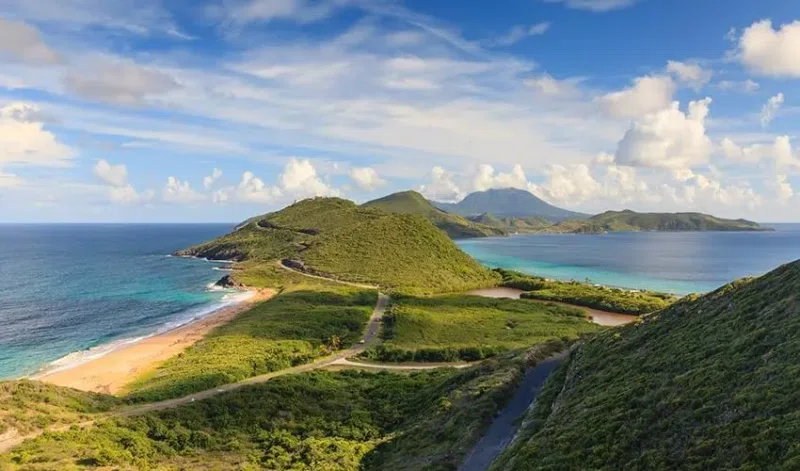
The Kalinago Territory on Dominica's east coast consists of roughly 3,700 acres of communally held land. This community, one of the last surviving pre-Columbian Indigenous populations in the Caribbean, governs eight villages spread across the territory's coastline and hills.
Kalinago members elect their own chief every five years and maintain their own council. They hold land collectively rather than as individual private property. The population is estimated at 3,000 people.
Hon. Cozier Frederick, a Kalinago member and the elected representative for the Salybia constituency, serves as the Minister for Environment, Rural Modernisation, Kalinago Upliftment and Constituency Empowerment. Frederick has stated that his Kalinago heritage is central to his environmental work, framing Indigenous stewardship of the land as inseparable from the island's push toward sustainability.
The community continues craft traditions including pottery, basketry, and canoe-building.
Economic opportunity within the territory remains limited compared to the rest of the island. Some Kalinago voices have said publicly that community concerns are not always represented as fully at the national level as they should be, despite having a Kalinago minister in cabinet.
Key facts
- The Kalinago Territory comprises approximately 3,700 acres of communal land.
- The community governs eight villages and elects a chief every five years.
- Hon. Cozier Frederick is the Minister for Environment, Rural Modernisation, Kalinago Upliftment and Constituency Empowerment.
Three perspectives
Neutral
The Kalinago Territory is a self-governing Indigenous community that holds land collectively and participates in the national government.
Positive
The Kalinago continue to pass down craft traditions like pottery and canoe-building through generations.
Negative
Economic opportunity in the territory is limited compared to the rest of the island, and some community members feel their concerns are not fully represented at the national level.
Your week in news, every Wednesday
The biggest stories of the week for your edition, in your inbox every Wednesday morning, your time. Free, and you can unsubscribe at any time.