 Seychelles
192-Year-Old Tortoise Reveals Secrets
Jonathan, the oldest known living land animal, has genes that resist wear and tear, a new study finds. He was born in the Seychelles in 1832 and has lived on Saint Helena since 1882.
 Global Newsflix 2 min read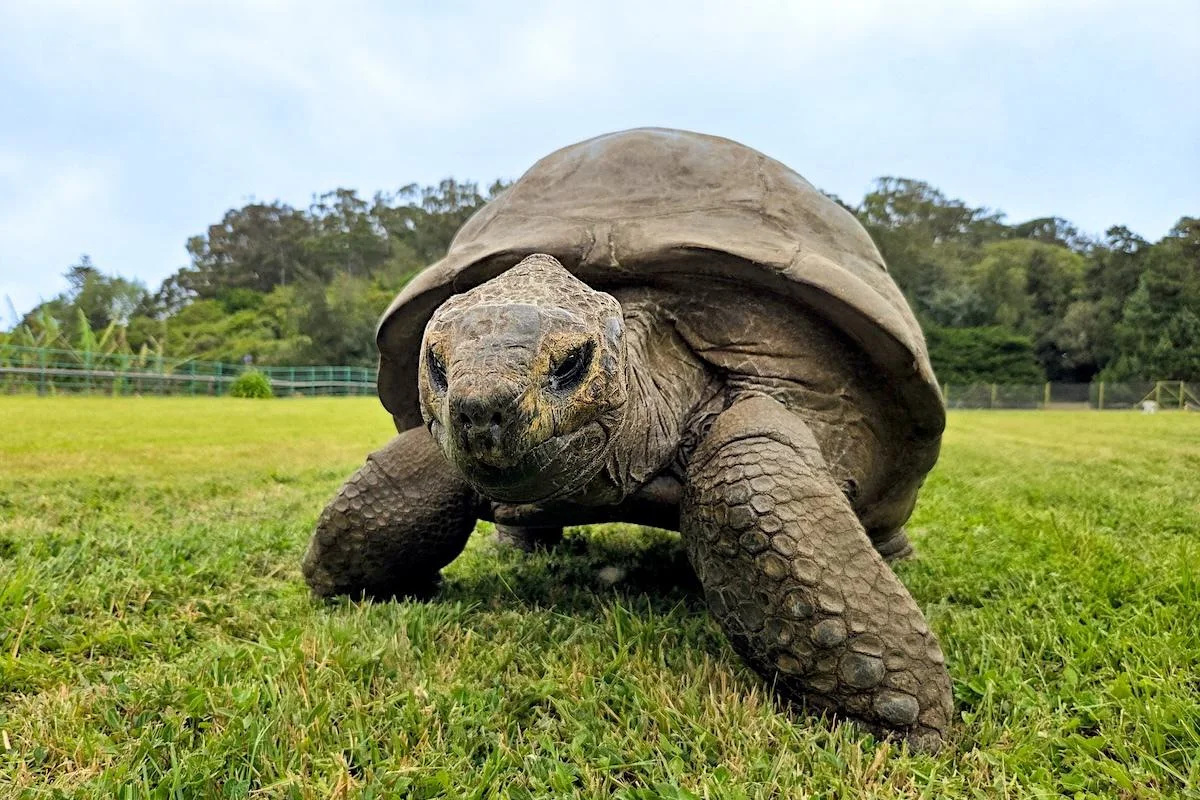
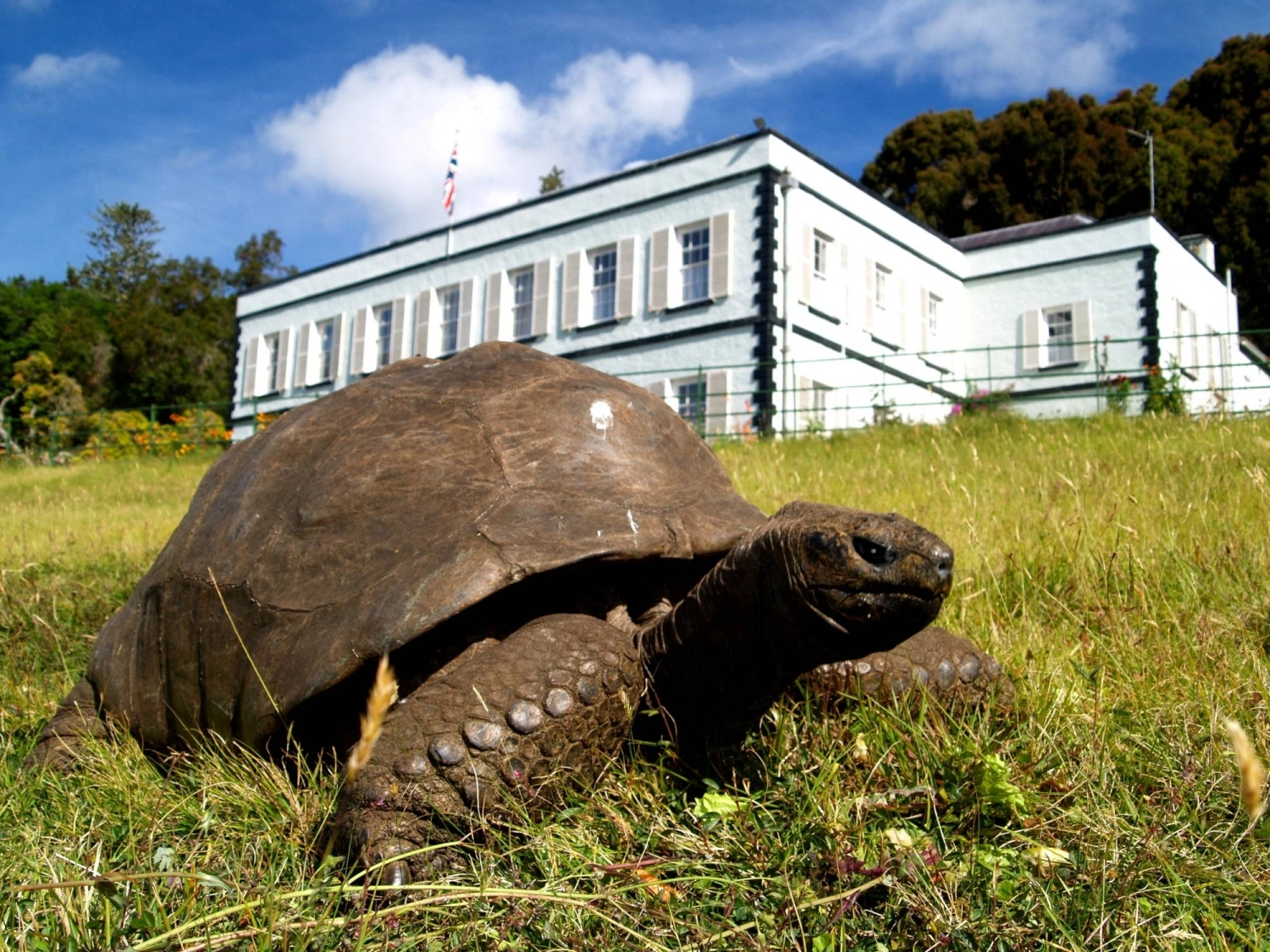
At 192 years old, Jonathan the giant tortoise is the oldest known living land animal. He has lived on the South Atlantic island of Saint Helena since 1882, residing at the home of its governor.
An analysis of cheek scrapings found that Jonathan has genes that help him combat aging by curbing inflammation, regulating insulin, and warding off cancer. His genes are also good at repairing themselves, according to the research published in Science Advances.
Lead author Stephen Clark said Jonathan's genome provides a blueprint for cellular resilience. Clark is the chief scientist at Kallel, a nonprofit that researches longevity.
Older animals like Jonathan play a critical role in nature by helping their younger kin to survive, according to ecologist Keller Kopf. They possess stronger defenses against disease and hold knowledge that guides survival.
Key facts
- Jonathan is 192 years old and the oldest known living land animal.
- He was born in the Seychelles in 1832 and has lived on Saint Helena since 1882.
- Jonathan has genes that resist wear and tear and help him combat aging.
- His genes are good at repairing themselves.
Three perspectives
Neutral
The study of Jonathan's genome offers insights into his longevity. His age is roughly a century older than most other Seychelles giant tortoises. The research highlights the importance of older animals in nature.
Positive
Jonathan's remarkable longevity is a result of his good genes. His genome provides a blueprint for cellular resilience, which can inform research on longevity. The study showcases the critical role of older animals in nature.
Negative
The study's findings may not be applicable to all species. The research focused on a single individual, and more studies are needed to confirm the results. The importance of older animals in nature may be overlooked in conservation efforts.
Your week in news, every Wednesday
The biggest stories of the week for your edition, in your inbox every Wednesday morning, your time. Free, and you can unsubscribe at any time.