

Malawi transport spending rises 14.3 per cent due to fuel shortages
Average monthly transport costs rose to K160,000 in September as fuel scarcity at filling stations pushed up prices.
 Cost of Living Desk 2 min read
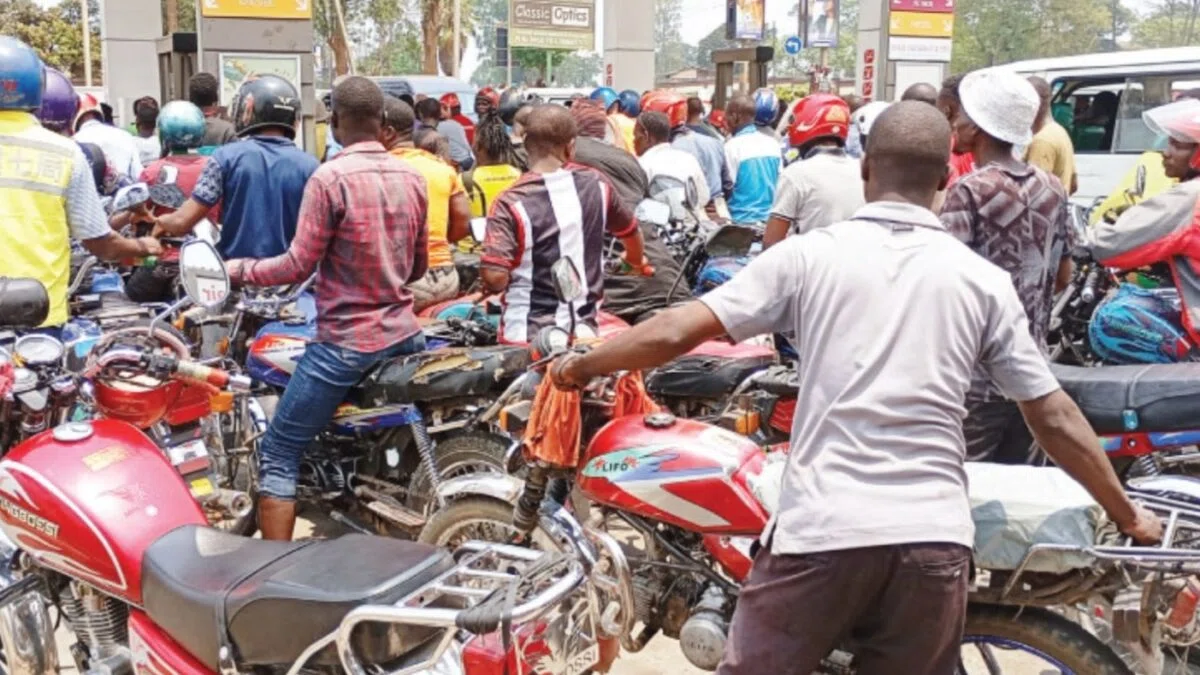
Average monthly transport spending in Malawi rose by 14.3 per cent at the end of September. According to research by the Employers Consultative Association of Malawi (Ecam), monthly spending reached K160,000 in September, up from K140,000 in August.
The increase followed fuel shortages at filling stations towards the end of the month. Ecam stated that transport costs increased due to the fuel scarcity experienced at the end of September, which resulted in higher transportation costs.
Low-income earners are hit hardest because their wages are unlikely to keep pace with higher fares, leaving less to cover basic needs. The extra K20,000 in spending is money that would otherwise have gone on food, school fees, rent and other essentials.
Workers relying on public transport, parents paying to get children to school, and small traders travelling to buy and sell goods all feel the squeeze. The impact also spreads through the wider economy, as businesses facing higher distribution costs tend to pass them on to the prices of goods and services.
Transport accounts for a large share of household spending. Prolonged fuel shortages could deepen the cost-of-living squeeze, making it more expensive for people to meet their daily needs, reach essential services and earn a living.
Key facts
- Average monthly transport spending in Malawi rose to K160,000 in September from K140,000 in August.
- Fuel shortages at the end of September caused transport spending to increase by 14.3 per cent.
- The Employers Consultative Association of Malawi (Ecam) conducted the cost of living analysis.
Three perspectives
Neutral
Average monthly transport spending in Malawi rose to K160,000 in September from K140,000 in August.
Positive
The research by the Employers Consultative Association of Malawi provides an analysis of the rising cost of living.
Negative
Fuel shortages at the end of September pushed up transport costs, leaving low-income earners with less money for food, rent, and school fees.
Your week in news, every Wednesday
The biggest stories of the week for your edition, in your inbox every Wednesday morning, your time. Free, and you can unsubscribe at any time.