

Eswatini strengthens disease surveillance to prepare for public health emergencies
The country is using the Integrated Disease Surveillance and Response strategy to detect and manage potential outbreaks, including the threat of ebola.
 Health Desk 2 min read
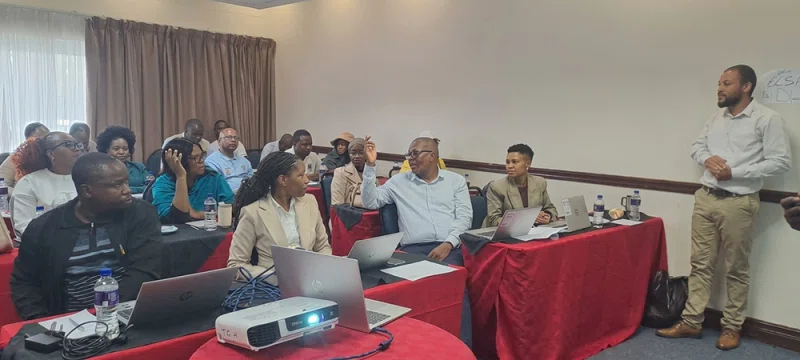
Eswatini is strengthening its public health surveillance and response systems to ensure the early detection and timely management of disease outbreaks. This preparation includes addressing potential public health emergencies such as the threat of ebola.
Nkosinathi Dlamini from the Epidemiology and Disease Control Unit (EDCU) said the country is using the Integrated Disease Surveillance and Response (IDSR) strategy to identify, report and respond to priority diseases and health conditions. The strategy aims to detect threats early at community, health facility and national levels so authorities can respond before situations escalate.
Dlamini explained that the IDSR strategy involves identifying cases, reporting, data analysis, interpretation and investigations. The approach uses Indicator-Based Surveillance, which collects structured information at health facilities and Points of Entry, and Event-Based Surveillance, which relies on unstructured or ad hoc reports of unusual health events.
The preparedness activities are part of Eswatini's obligations under the International Health Regulations (IHR) to develop capacity to detect and respond to emergencies.
Bhembe, the Principal Environmental Health Officer in the Ministry of Health, said the country is on alert mode to ensure workers are up to speed. Workshop participants were selected from all border gates, emergency preparedness workers and health workers.
Key facts
- Eswatini is using the Integrated Disease Surveillance and Response strategy to strengthen disease identification and reporting.
- The country is preparing for potential public health emergencies, including ebola.
- Surveillance includes both Indicator-Based and Event-Based approaches.
Three perspectives
Neutral
Eswatini is implementing the Integrated Disease Surveillance and Response strategy to manage potential public health threats.
Positive
The country is strengthening its systems and training frontline workers to ensure it can respond effectively to emerging health threats.
Negative
The country is preparing for the possibility of ebola entering the country.
Your week in news, every Wednesday
The biggest stories of the week for your edition, in your inbox every Wednesday morning, your time. Free, and you can unsubscribe at any time.