 Nauru
NauruUS Imposes Sanctions on ICC
The Trump administration has imposed sweeping sanctions on the International Criminal Court, citing investigations into the US and its allies. The move has drawn rebukes from around the world, including from US allies.
 Global Newsflix 2 min read
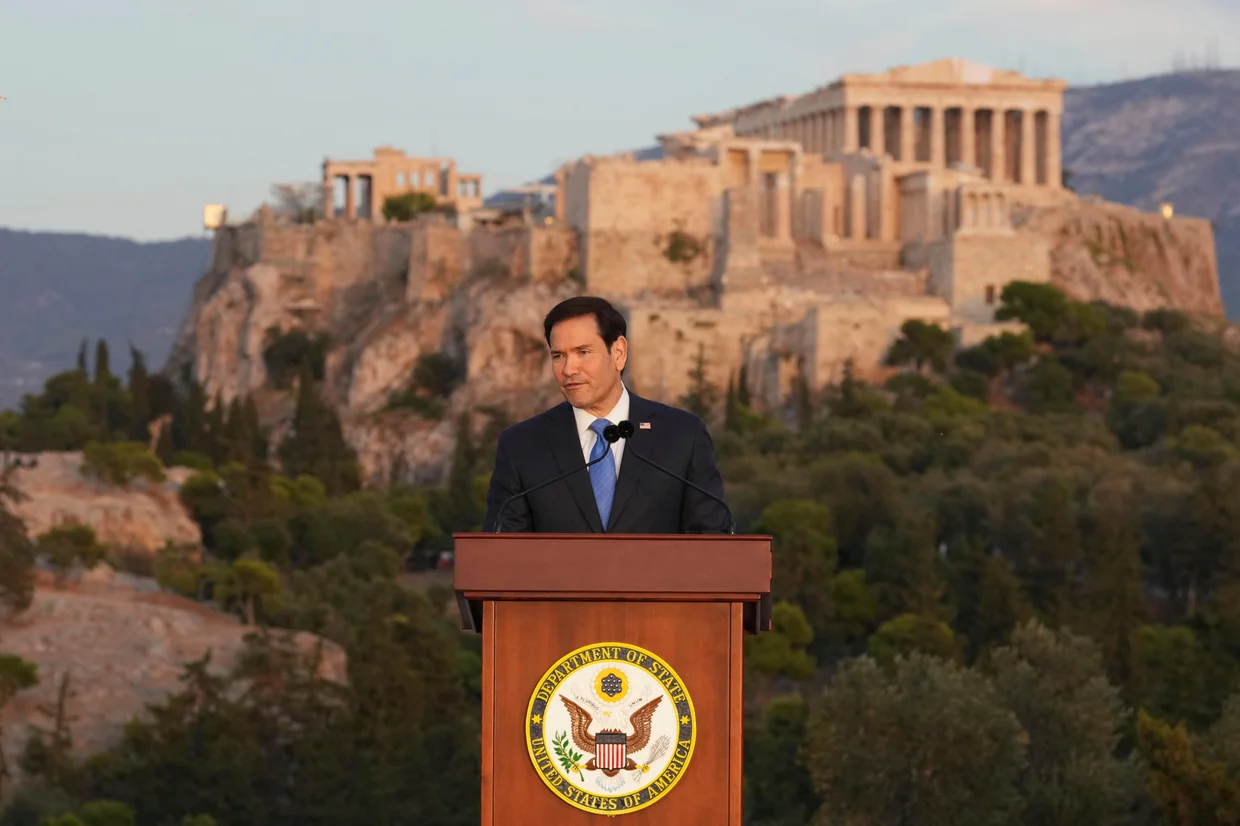
The Trump administration has imposed new sanctions on the International Criminal Court, cutting it off from US-based financial services, technology companies, and the use of US dollars. Secretary of State Marco Rubio announced the sanctions, saying the US will ban transactions with the court and cripple its ability to operate against the US.
The sanctions set a six-month timeline for US companies and individuals with business ties to the court to wind down their operations. The move is part of the administration's campaign to dismantle the tribunal, which it believes has become politicized.
The International Criminal Court denounced the step as an attack on the rule of law and international order. The court's president, Tomoko Akane, defended the court, saying the sanctions are an attempt to obstruct justice and prevent the court from doing its job.
A spokesperson for UN Secretary General Antonio Guterres condemned the US sanctions, saying they deal a serious blow to international criminal justice. The spokesperson emphasized that accountability for international crimes and delivery of justice to victims are central to global commitments to peace, security, and human rights.
Rubio said US allies should join the US in its actions against the ICC. He warned that if they do not, the US will continue its campaign to dismantle the court until Americans are no longer threatened.
The initial response from US allies was negative, with many governments expressing opposition to the sanctions. The move is likely to further strain relations between the US and its allies, as well as the international community.
The sanctions come after the Nobel Peace Prize was awarded to South African jurist Navi Pillay, a former judge at the ICC. US officials maintained that the timing of the sanctions was coincidental and had been in the works for months.
Key facts
- The US has imposed sanctions on the International Criminal Court
- The sanctions cut the court off from US-based financial services and technology companies
- The ICC has denounced the move as an attack on the rule of law and international order
- The US says the sanctions are part of its campaign to dismantle the tribunal
Three perspectives
Neutral
The US sanctions on the ICC have sparked a global reaction, with many countries and organizations expressing opposition to the move. The situation is likely to continue to evolve in the coming days and weeks. The international community will be watching to see how the US and its allies respond to the sanctions.
Positive
The US sanctions on the ICC may be seen as a necessary step to protect American interests and prevent the court from overstepping its authority. The move may also prompt other countries to re-examine their relationship with the court and consider similar actions.
Negative
The US sanctions on the ICC have been widely criticized as an attack on international justice and the rule of law. The move may damage relations between the US and its allies, as well as the international community, and undermine the court's ability to hold perpetrators of war crimes accountable.
Your week in news, every Wednesday
The biggest stories of the week for your edition, in your inbox every Wednesday morning, your time. Free, and you can unsubscribe at any time.