

ASEAN Normalizes Ties with Myanmar Junta
Malaysia deports 1,476 Myanmar refugees, violating international law, as ASEAN seeks to normalize ties with the military junta for geopolitical gain. The move has sparked concerns about the safety of the returnees, including Rohingya and political dissidents.
 Politics Desk 2 min read
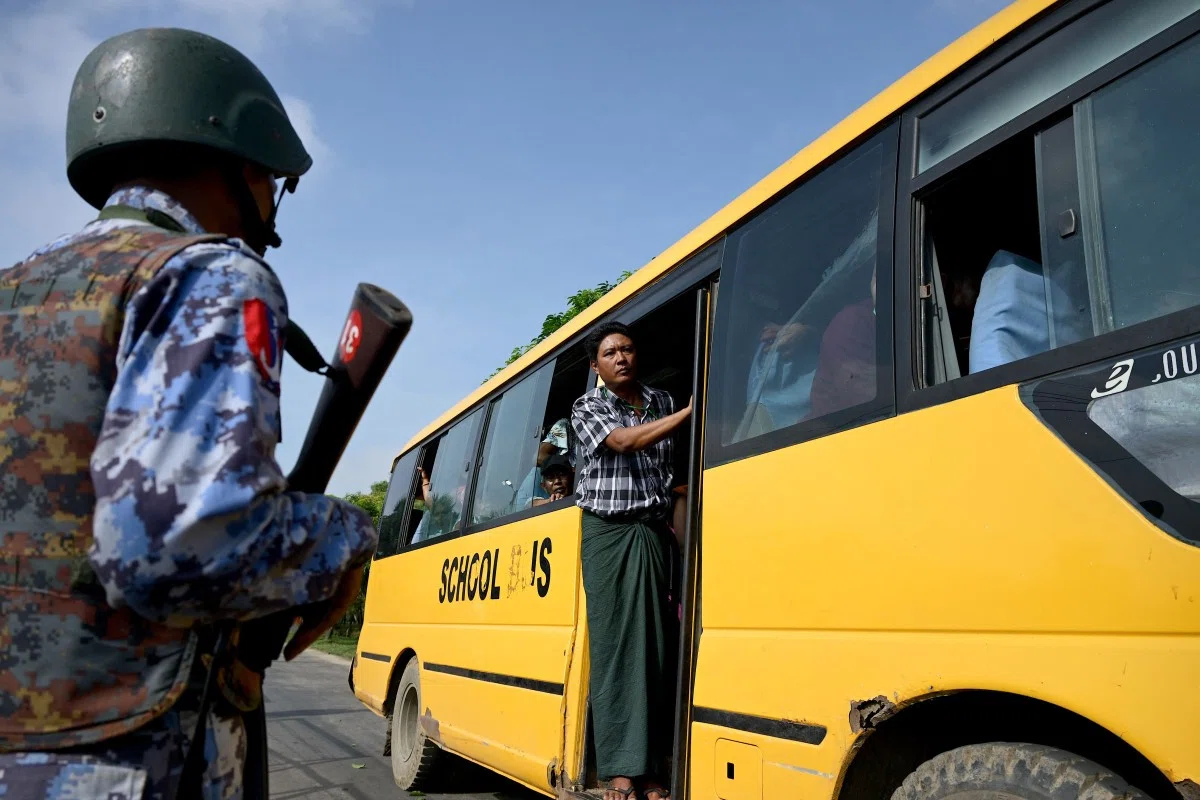
On September 29, 2026, Malaysia deported 1,476 Myanmar refugees to their home country, sparking concerns about their safety. The refugees, including Rohingya, were sent back on Myanmar Navy vessels as part of a bilateral agreement between the two countries.
The deportation has been criticized for potentially violating the principle of non-refoulement, which prohibits the return of individuals to a country where they may face persecution or harm. The refugees were transferred directly from immigration detention centers, raising questions about the voluntariness of their return.
Malaysian Prime Minister Anwar Ibrahim has been accused of executing a reversal on his previous stance on the Rohingya and the Myanmar junta. He had previously been a vocal critic of the junta and a defender of the Rohingya, but has now engaged with the military leader, Min Aung Hlaing, to facilitate the deportations.
The same day as the deportation, the Myanmar military bombed a crowded market and bridge in Rakhine State, killing 50 civilians and wounding 60 more. The state is largely under the control of the insurgent Arakan Army and has been subject to an intensifying air campaign by the regime since April.
The events have highlighted the conflicting realities confronting ASEAN, which is seeking to normalize ties with the Myanmar junta for geopolitical gain. The move has sparked concerns about the organization's commitment to human rights and its own charter.
Min Aung Hlaing is scheduled to make an official visit to Malaysia later this month, which is seen as a reciprocation of the arrangement and a conferral of legitimacy on the disputed leader. He is subject to an International Criminal Court arrest warrant request for crimes against humanity perpetrated against the Rohingya.
The situation in Rakhine State remains dire, with the regime's air campaign targeting civilians and the Arakan Army controlling large areas of the state. The deportations have added to concerns about the safety and well-being of the returnees, who may face persecution or harm upon their return.
Key facts
- 1,476 Myanmar refugees deported from Malaysia to Myanmar
- Refugees include Rohingya and potential political dissidents
- Deportation potentially violates principle of non-refoulement
- Myanmar military bombed crowded market and bridge in Rakhine State, killing 50 civilians
Three perspectives
Neutral
The situation in Myanmar remains complex, with ASEAN seeking to balance its geopolitical interests with its commitment to human rights. The deportations and the military's actions in Rakhine State have sparked concerns about the safety and well-being of civilians. The upcoming visit of Min Aung Hlaing to Malaysia will be closely watched.
Positive
The engagement between Malaysia and Myanmar may lead to increased cooperation and dialogue between the two countries, potentially paving the way for a peaceful resolution to the conflict. The visit of Min Aung Hlaing to Malaysia may also provide an opportunity for ASEAN to push for reforms and improvements in human rights in Myanmar.
Negative
The deportations and the military's actions in Rakhine State have sparked widespread criticism and concerns about the safety and well-being of civilians. The engagement between Malaysia and Myanmar has been seen as a betrayal of the Rohingya and a legitimization of the military junta, which has been accused of crimes against humanity.
Your week in news, every Wednesday
The biggest stories of the week for your edition, in your inbox every Wednesday morning, your time. Free, and you can unsubscribe at any time.