




 United Kingdom
Fraudsters use fake Royal Mail cards to target Christmas deliveries
Criminals are dropping near-identical copies of 'Something for you' cards through letterboxes to steal bank details via fraudulent QR codes.
 Crime & Justice Desk 2 min read
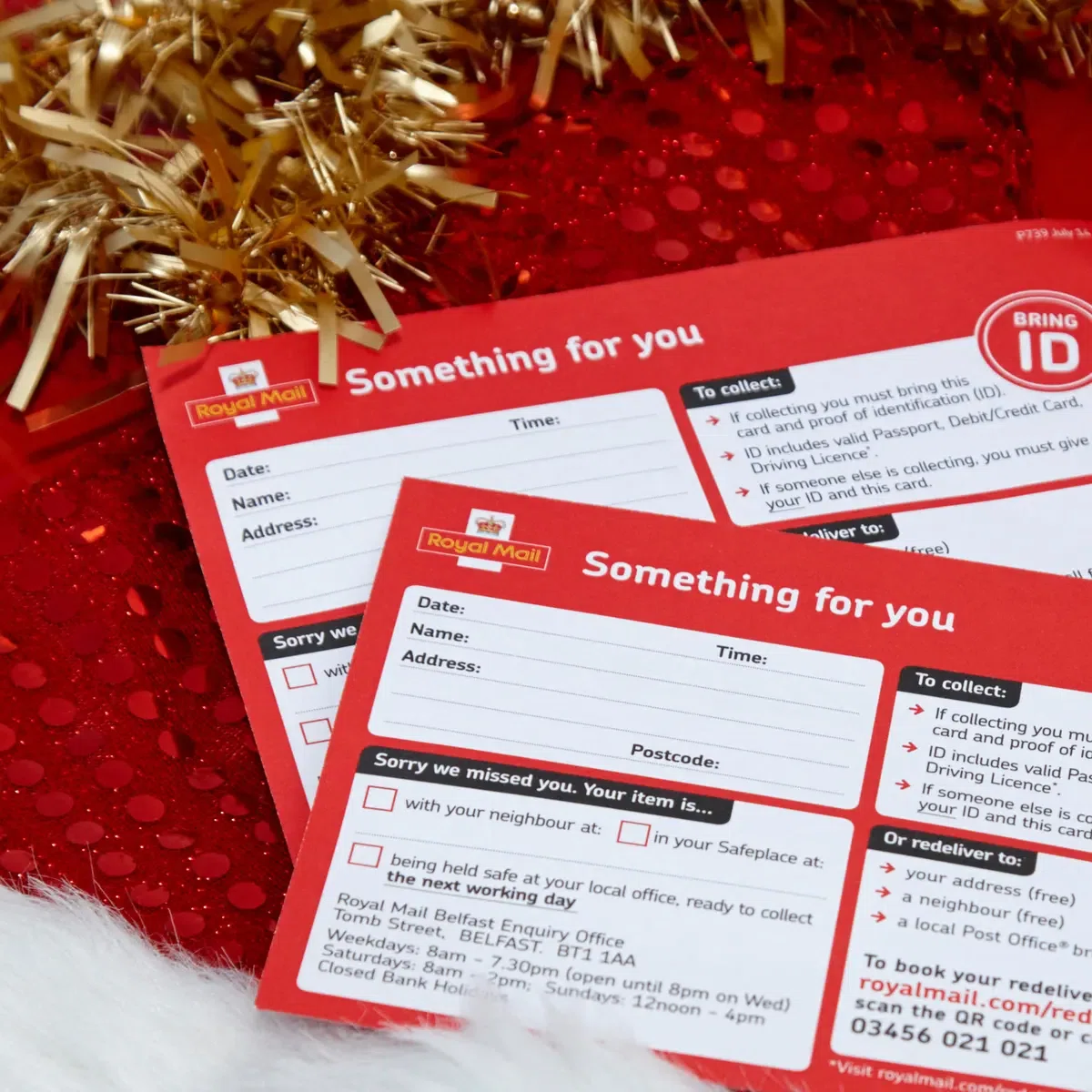
Criminals are using fraudulent physical cards that mimic Royal Mail's 'Something for you' notices to steal bank details. These near-identical copies are dropped through letterboxes and feature QR codes that direct people to websites designed to look like the official Royal Mail site.
The scam often asks for a small payment, such as a £3 customs charge or a fee for redelivery, to appear legitimate. Once victims enter their bank card information, they may notice unauthorised transactions from unknown retailers in the following weeks.
Jake Moore, an adviser for cybersecurity company ESET, said the physical format makes the scam feel more trustworthy than texts or emails. He noted that the timing is ideal because people expecting parcels during the festive season may let their guard down.
Royal Mail has advised that legitimate customs charges are handled via a separate grey 'Fee to pay' card, rather than the red 'Something for you' card. If customers are unsure, they should visit the official Royal Mail website or app directly to enter their nine-digit reference number.
Ofcom warned that scammers are working overtime during the Christmas period, noting that fraud accounted for an estimated 45% of reported crime in England and Wales, with £1.28billion lost in 2025. Amy Jordan, Ofcom's Strategy Delivery Director, said criminals create a sense of urgency to exploit the festive rush.
Key facts
- Fraudsters use fake Royal Mail cards with QR codes to trick people into paying small fees and revealing bank details.
- In 2025, £1.28billion was lost to criminals through fraud in England and Wales.
Three perspectives
Neutral
Royal Mail has issued warnings regarding fraudulent cards and various phishing attempts including texts and emails.
Positive
People who suspect a scam can report it to Royal Mail via email or contact their bank and the national fraud investigation body if they have shared financial information.
Negative
The scam targets people during the busy Christmas period, potentially leading to compromised bank details and unauthorised transactions.
Your week in news, every Wednesday
The biggest stories of the week for your edition, in your inbox every Wednesday morning, your time. Free, and you can unsubscribe at any time.