 Australia
New party Opportunity enters New Zealand parliament in tight election result
The Opportunity party secured 5.9% of the vote, potentially deciding who governs as major parties Labour and National face a near photo-finish.
 World Desk 2 min read
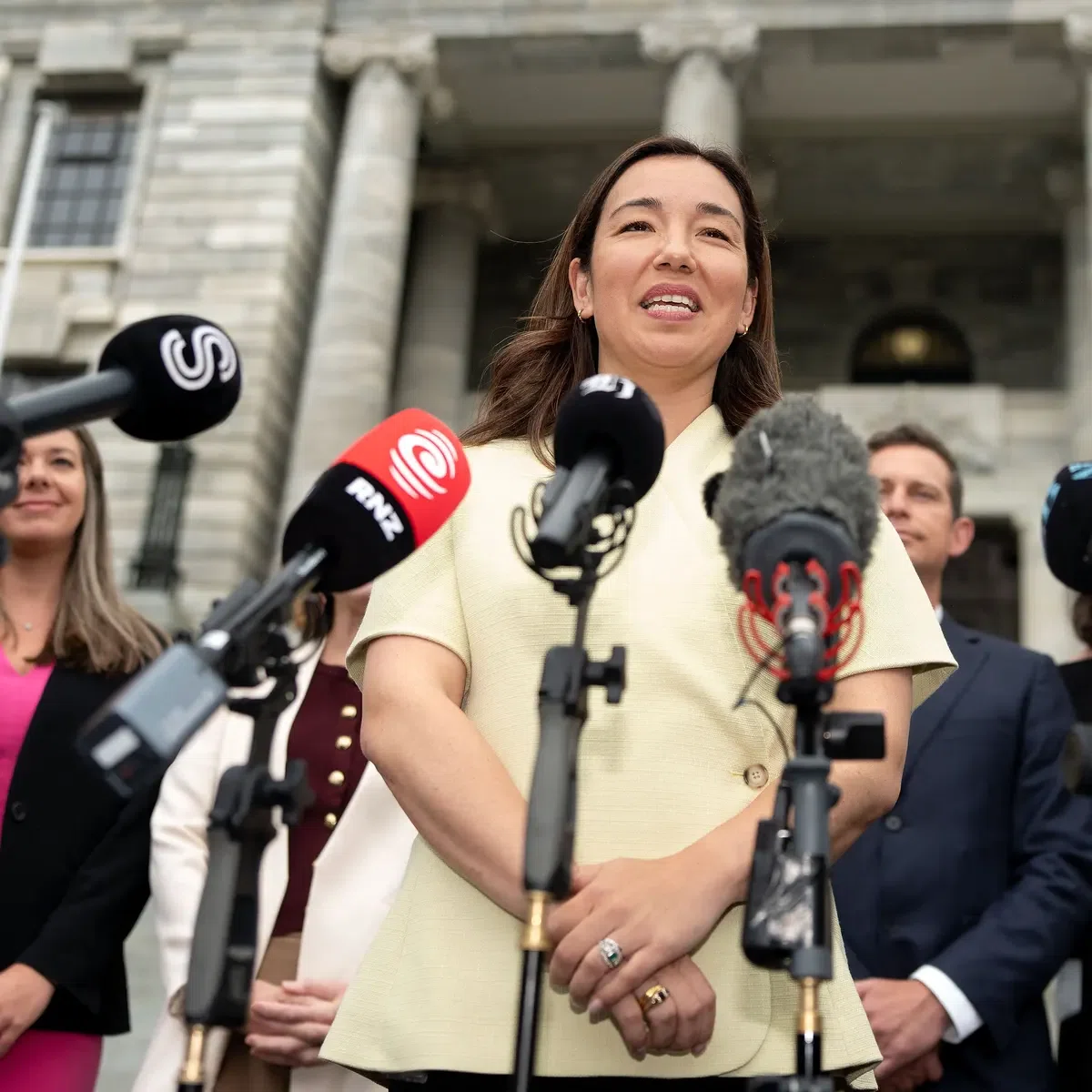
The Opportunity party has entered the New Zealand parliament after securing 5.9% of the party vote. Led by businesswoman Qiulae Wong, the party is the first new group not born of an existing MP or party to enter parliament since the mixed-member proportional system began in 1996. Wong said the party's nearly 150,000 supporters wanted a more pragmatic approach to politics and that populism does not deliver results.
The election result was a near photo-finish between the two major parties, National and Labour, with neither clearing 30% of the vote. National has 706,680 party votes compared to Labour's 710,330, leaving a margin of just 3,650 votes. With the left and right blocs separated by just a few seats after official results are released, Opportunity could be in a position to decide who governs.
National leader Christopher Luxon said he intends to build a relationship with Wong and find common ground. Luxon stated his party has a pathway to form a government with 42 seats projected compared to Labour's 36 seats.
Opportunity's five bottom-line issues include action on the supermarket duopoly, capping political donations, a 10-year cross-party plan for health, ending bottom trawling in the fishing industry, and strengthening climate commitments. Wong said the party's vision for a low-emissions future and an inclusive New Zealand will drive its final decision.
New Zealanders must wait until 27 November for the final result, which includes approximately 400,000 special votes cast overseas or outside an electorate. The current results show the two major parties secured only 59 per cent of the party vote between them, the first time since 1996 they have fallen below 60 per cent.
Political scientist Dr Lara Greaves said complexities around overhang seats raise questions about the mixed-member proportional system. National and Te Pāti Māori gained more electorates than their share of the popular vote, meaning parliament could have an additional eleven overhang seats.
Key facts
- The Opportunity party secured 5.9% of the party vote and seven seats in parliament.
- National and Labour recorded their worst combined vote in the history of the mixed-member proportional system.
- Final election results including 400,000 special votes are expected on 27 November.
Three perspectives
Neutral
The New Zealand election resulted in a fragmented parliament where minor parties gained significant support amid a tight race between National and Labour.
Positive
Qiulae Wong said the support for Opportunity is encouraging and reflects a desire for a more pragmatic approach to politics.
Negative
Political scientist Dr Lara Greaves expressed concern that issues regarding overhang seats could create polarisation and questions about the legitimacy of parliament.
Your week in news, every Wednesday
The biggest stories of the week for your edition, in your inbox every Wednesday morning, your time. Free, and you can unsubscribe at any time.