 South Africa
Cultivated meat industry faces hurdles after initial investment surge
 Technology Desk 2 min read
Investment in the cultivated meat sector peaked in 2021, but funding fell to $177m globally in 2023.
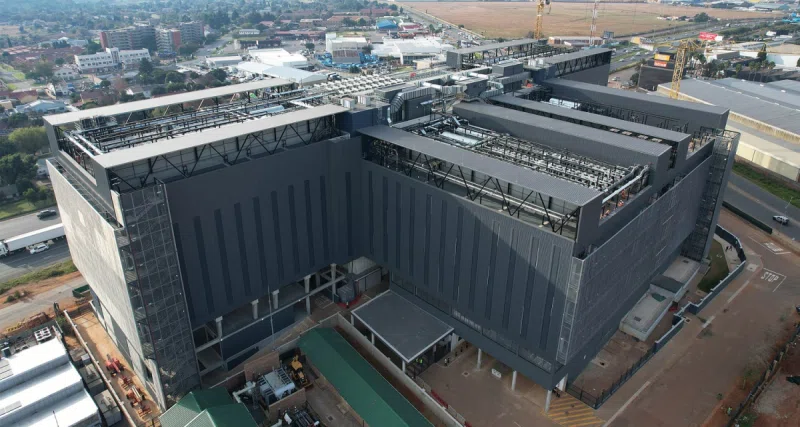
The industry faces high upfront costs for manufacturing facilities and significant energy requirements.
Challenges include the difficulty of producing sufficient quantities at low prices, a lack of a skilled workforce, and inspections by the Food and Drug Administration and the US Department of Agriculture.
The technology has also faced setbacks, such as the appearance of rodent DNA in research samples at companies Upside and Eat Just.
Conservative state governments in Florida, Alabama, Mississippi, Indiana, Montana, Nebraska and Texas have moved to legislate against cultivated meat.
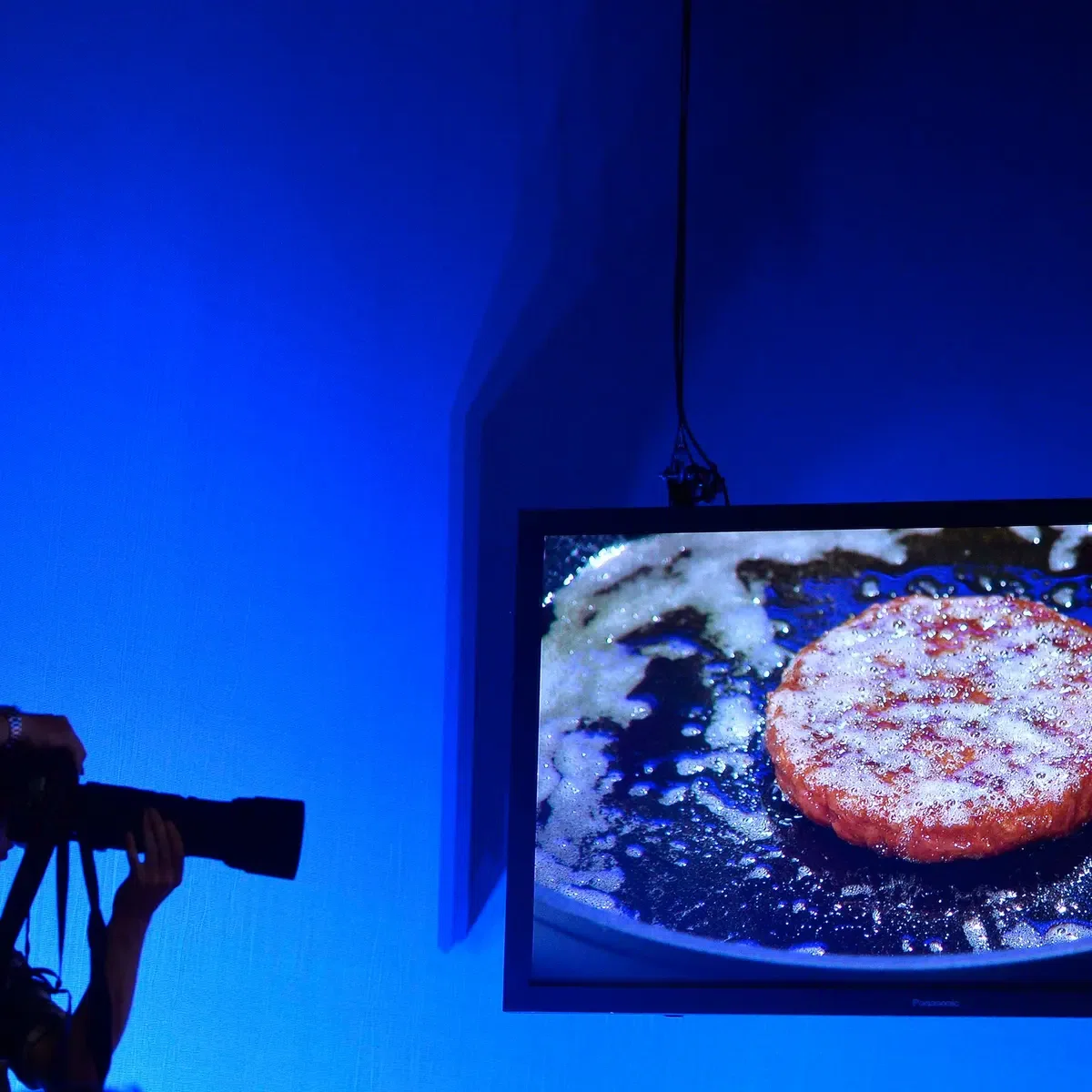
The sector's rise followed the 5 August 2013 launch of the world's first lab-grown burger in London, produced by Mark Post using cattle cells.
Key facts
- Global investment in cultivated meat was $177m in 2023.
- The first lab-grown burger was produced by Mark Post in 2013.
Three perspectives
Neutral
The cultivated meat industry has seen significant investment and technological development alongside regulatory and legislative challenges.
Positive
Proponents claim cellular agriculture could fight the climate crisis, global food insecurity, and the spread of zoonotic disease.
Negative
The industry faces high manufacturing costs, energy demands, and legislative opposition in several US states.
Your week in news, every Wednesday
The biggest stories of the week for your edition, in your inbox every Wednesday morning, your time. Free, and you can unsubscribe at any time.