

 Ireland
A day away from the Full Moon
The Moon is in a Waxing Gibbous phase with 99% of its surface visible as of Sunday, 25 October.
 Space Desk 2 min read
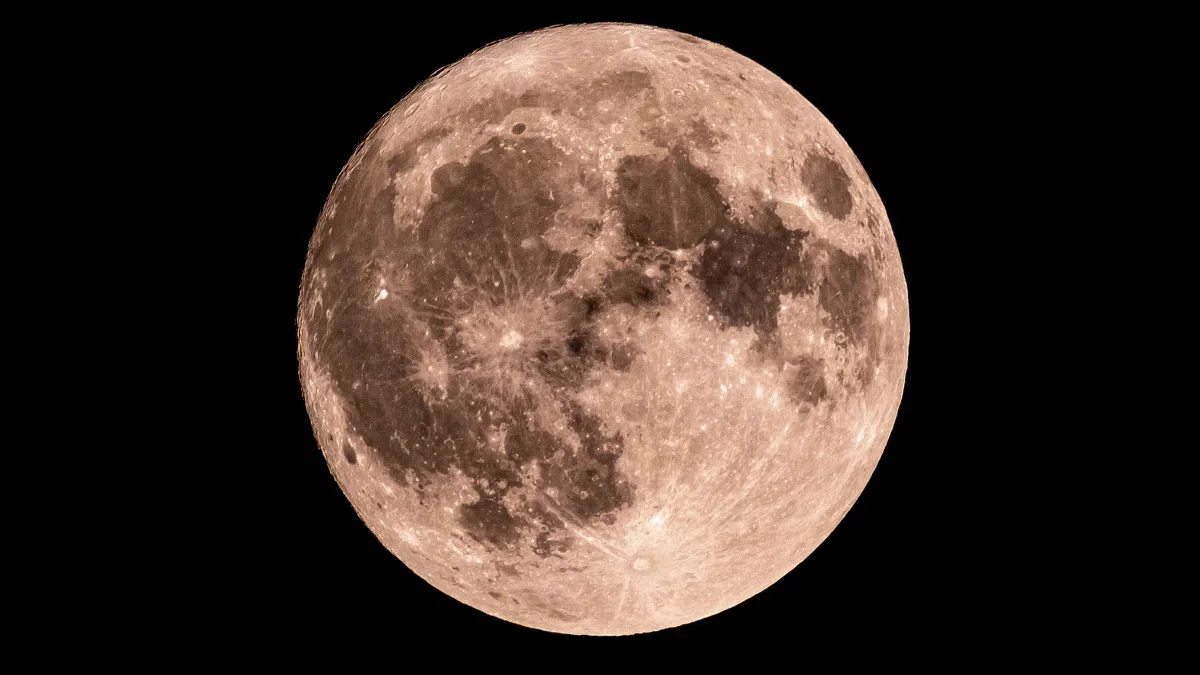
The Full Moon is one day away. The next Full Moon will take place on October 25 or 26, depending on the timezone.
As of Sunday, 25 October, the Moon is in the Waxing Gibbous phase, with 99% of its surface visible. Without visual aids, the Copernicus Crater, Tycho Crater, and the Mare Crisium should be visible tonight.
Those using binoculars can also see the Endymion Crater, the Alphonsus Crater, and the Mare Nectaris. With a telescope, the Schiller Crater and the Apollo 16 and 17 landing spots are also visible.
NASA explains that these phases are caused by the Moon's changing position relative to Earth and the Sun. The Moon takes around 29.5 days to travel around Earth, and its appearance changes throughout the month.
As it moves around the planet, different amounts of its sunlit side are seen, from a slim crescent to the quarter phases and eventually a Full Moon. It then begins the cycle again.
Key facts
- The next Full Moon will take place on October 25 or 26, depending on the timezone.
- As of Sunday, 25 October, the Moon is in the Waxing Gibbous phase with 99% of its surface visible.
- The Moon takes around 29.5 days to travel around Earth.
Three perspectives
Neutral
The Moon's appearance changes throughout the month as it moves around Earth.
Positive
Telescopes can be used to see the Apollo 16 and 17 landing spots and the Schiller Crater.
Negative
During a New Moon, the side of the Moon seen is dark and invisible to the eye.
Your week in news, every Wednesday
The biggest stories of the week for your edition, in your inbox every Wednesday morning, your time. Free, and you can unsubscribe at any time.