Global timekeepers vote to end leap seconds in favor of leap hours
Delegates from 69 countries decided to replace leap seconds with leap hours to protect computer systems from technical risks.
 Technology Desk 2 min read
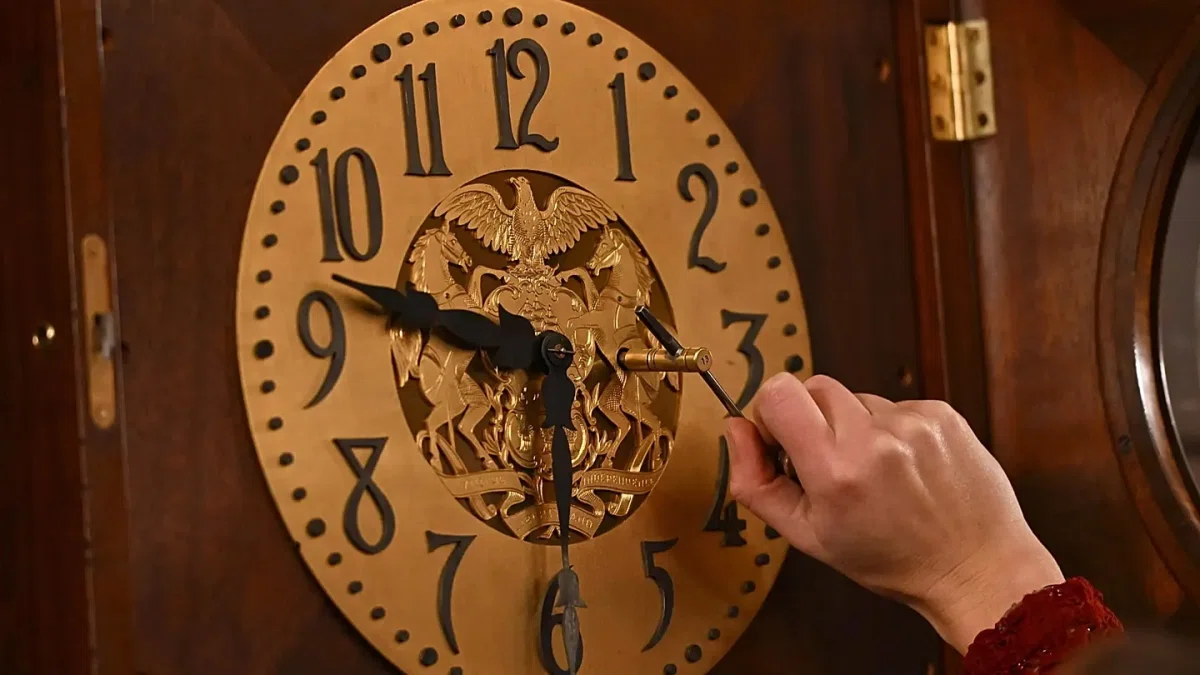
Global timekeepers have voted to end the practice of adding extra seconds to Coordinated Universal Time (UTC). The decision aims to mitigate risks to computer systems and technical infrastructure caused by the prospect of the first-ever negative leap second.
Delegates from 69 countries cast their votes on Thursday at a conference in France hosted by the International Bureau of Weights and Measures. The move to adopt a leap hour starting next year seeks to prevent software from struggling with minutes that last 59 or 61 seconds instead of 60.
Dr Setnam Shemar, a principal scientist at the UK’s National Physical Laboratory (NPL), said the leap second is making way for the leap hour after 30 years of debate. This change will reduce risks to national infrastructure and systems that depend on accurate time while preserving the link between the global time system and Earth's rotation.
The decision follows concerns that Earth's rotation has sped up in the past decade. This speed increase created a 30% probability of a negative leap second occurring in the next decade, which would involve lopping a second off UTC.
Leap seconds have been used since 1972 to align UTC with astronomical time, with 27 leap seconds added during that period. However, software updates applying leap seconds at the wrong time can cause servers to freeze or networks to fall out of sync.
Key facts
- Delegates from 69 countries voted to end leap seconds at a conference in France.
- The new leap hour system aims to prevent computer systems from failing during 59 or 61-second minutes.
- There is a 30% probability of a negative leap second occurring in the next decade.
Three perspectives
Neutral
Global timekeepers have voted to replace the practice of adding leap seconds with a leap hour system.
Positive
The transition to a leap hour aims to reduce risks to national infrastructure and computer systems that depend on accurate time.
Negative
Leap seconds can cause computer servers to freeze or seize up if software cannot cope with non-standard minute lengths.
Your week in news, every Wednesday
The biggest stories of the week for your edition, in your inbox every Wednesday morning, your time. Free, and you can unsubscribe at any time.