

Hormuz closure triggers global economic shock and rising energy costs
The shutdown of the Strait of Hormuz has disrupted oil exports, increased shipping rates, and driven up fuel prices worldwide.
 Business Desk 2 min read
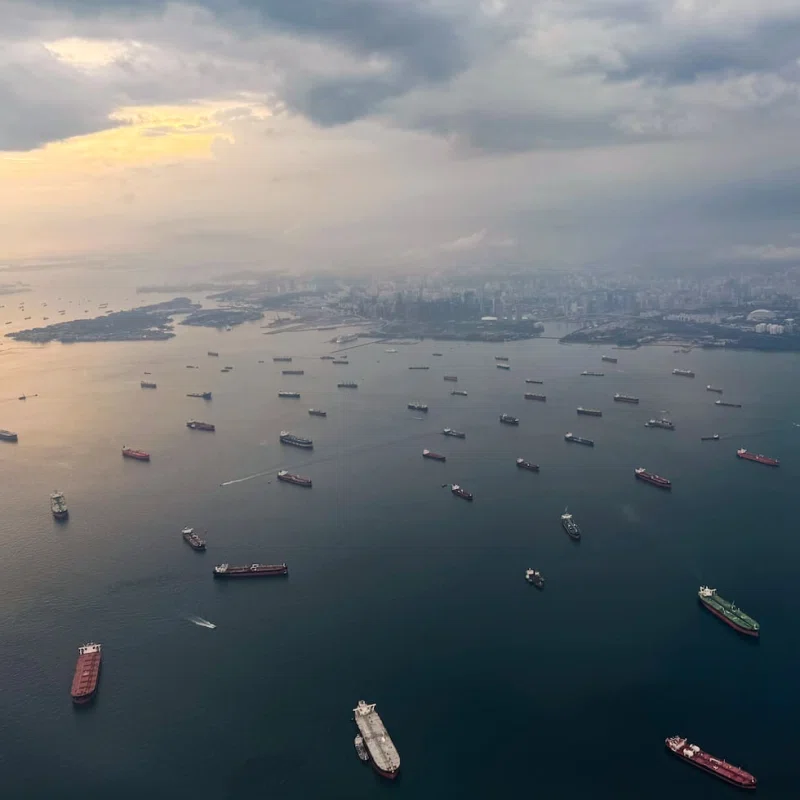
The closure of the Strait of Hormuz has disrupted oil exports from the Persian Gulf and sharply increased transportation costs worldwide. Analysts say higher shipping rates are adding more than $30 to the cost of each barrel of oil, which is roughly 10 times more than before the conflict.
The shockwave from the closure of Hormuz has been global and has hit the U.S. economy particularly hard. U.S. President Donald Trump likely never imagined that the conflict launched alongside Israel against Iran would last this long, or that it would drive gasoline and diesel prices for Americans to record highs.
The Bank for International Settlements states there is no historical precedent for traffic at a major global chokepoint dropping to zero within days. In June, at the height of the Hormuz blockade, Allianz estimated that more than $125 billion worth of cargo was stranded aboard over 1,000 ships anchored in the area.
War-risk insurance premiums for ships transiting Hormuz have risen to between 3% and 10% of a vessel’s value, compared with around 0.25% before the conflict. A study by the University of Oxford estimated last year that disruptions at maritime chokepoints cost the global economy about $192 billion annually due to delivery delays, rerouting, and higher insurance premiums.
Other maritime chokepoints face pressure, including the Bab el-Mandeb Strait where Houthi rebel attacks against Saudi Arabia threaten navigation. In the Panama Canal, drought linked to El Niño has forced the Panama Canal Authority to cut traffic and impose draft restrictions on vessels.
Key facts
- Shipping rates are adding more than $30 to the cost of each barrel of oil.
- War-risk insurance premiums for ships in Hormuz rose to between 3% and 10% of a vessel's value.
- Allianz estimated more than $125 billion worth of cargo was stranded in the Hormuz area in June.
Three perspectives
Neutral
The closure of the Strait of Hormuz and problems in Bab el-Mandeb and Panama show how strategic waterways can disrupt trade and shape the contest for global influence.
Positive
The maritime industry monitors these critical passages daily through shipowners, shipping companies, and insurers.
Negative
Disruptions at maritime chokepoints cost the global economy about $192 billion annually.
Your week in news, every Wednesday
The biggest stories of the week for your edition, in your inbox every Wednesday morning, your time. Free, and you can unsubscribe at any time.