

Heat stress could cost Maldives and Sri Lanka 147,000 jobs by 2040
Rising workplace temperatures are projected to reduce working time and cause significant GDP losses in both nations, according to the International Labour Organization.
 Climate Desk 2 min read
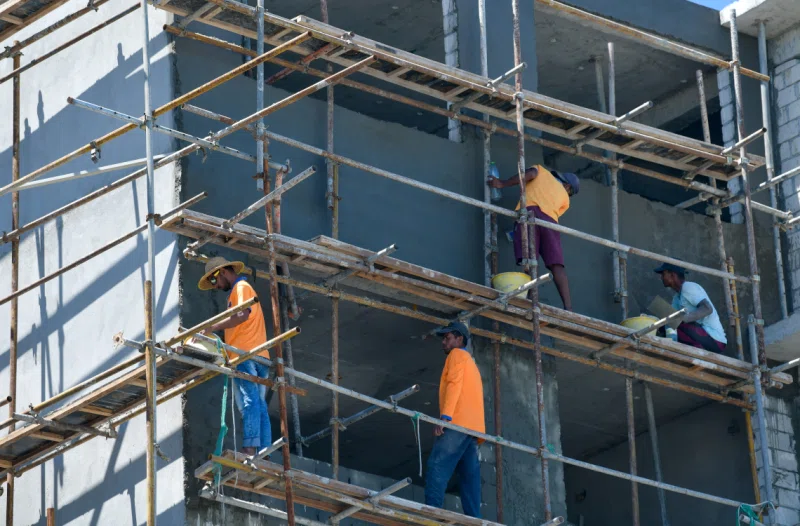
Rising workplace heat stress could cost the Maldives and Sri Lanka the equivalent of about 147,000 full-time jobs by 2040, the International Labour Organization (ILO) said. Under a low-emissions pathway, reduced working time caused by heat stress is projected to amount to around 145,000 full-time jobs in Sri Lanka and 2,400 jobs in the Maldives by 2040.
The studies also project combined annual gross domestic product (GDP) losses of approximately USD 26.6 billion by 2040 compared with the historical reference period. Of this amount, around USD 26 billion is expected to be lost in Sri Lanka and USD 576 million in the Maldives.
Heat stress is already having economic consequences. In 2023, both countries experienced additional losses in working time and GDP linked to rising workplace heat stress compared with the 1985-2014 historical reference period.
In the Maldives, services and construction are expected to experience the largest effects from heat stress. In Sri Lanka, agriculture is projected to be the most affected sector, followed by services, manufacturing and construction.
Protecting workers from heat stress needs to be part of how we approach occupational safety and health, climate adaptation and economic resilience, said Joni Simpson, ILO Country Director for Sri Lanka and the Maldives. Through social dialogue, governments, employers and workers can develop practical solutions that protect health and livelihoods while sustaining productive enterprise.
The studies recommended measures such as adjusting work hours to avoid the hottest parts of the day, implementing work-rest cycles, and providing adequate shade, drinking water and cooling facilities. They also highlighted the importance of social protection measures for workers who may be unable to reduce working hours without losing essential income.
Key facts
- Heat stress could cost the Maldives and Sri Lanka the equivalent of 147,000 full-time jobs by 2040.
- Combined annual GDP losses for both countries are projected to reach approximately USD 26.6 billion by 2040.
- In the Maldives, the services and construction sectors are expected to face the largest impacts.
Three perspectives
Neutral
The International Labour Organization conducted studies showing that increasing temperatures are affecting workers, productivity, and economic output in the Maldives and Sri Lanka.
Positive
Governments, employers, and workers can develop practical solutions through social dialogue to protect health and livelihoods.
Negative
Rising workplace heat stress is projected to cause significant job losses and billions of dollars in GDP losses by 2040.
Your week in news, every Wednesday
The biggest stories of the week for your edition, in your inbox every Wednesday morning, your time. Free, and you can unsubscribe at any time.