

 Ireland
Israel election ends in deadlock as Netanyahu and Eisenkot fail to secure majority
Neither Benjamin Netanyahu nor Gadi Eisenkot is on track for a majority in the 120-seat Knesset following a record turnout election.
 World Desk 2 min read
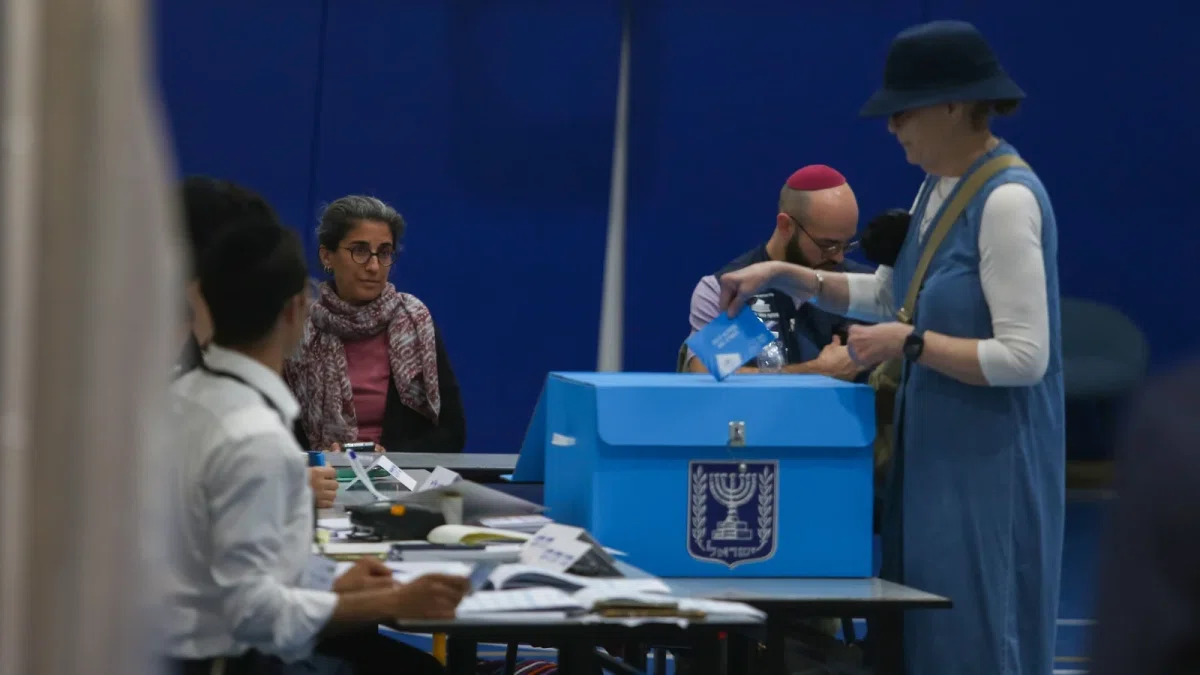
Israel's election has ended in an apparent deadlock with neither Prime Minister Benjamin Netanyahu nor his main rival Gadi Eisenkot on track for a majority in the 120-seat Knesset. Exit polls by major television networks showed that neither bloc had a majority, though final results could take days. The stalemate could allow Mr Netanyahu to remain in power in a caretaker capacity while parties try to forge a governing coalition.
The vote drew record turnout as Israelis passed wartime judgment on Mr Netanyahu in the first election since the Hamas-led attacks of 7 October 2023 and the ensuing wars in Gaza, Lebanon and Iran. Mr Netanyahu, 77, has served as prime minister for nearly 19 of the past 30 years and has repeatedly survived political crises. He entered the election facing longstanding corruption charges, which he denies, and criticism over intelligence failures.
Mr Eisenkot, 66, a hawkish former military chief who lost a son and two nephews in the Gaza war, emerged as Mr Netanyahu's strongest challenger. He has positioned himself as a centrist domestically and stressed his security credentials. Mr Eisenkot's Yashar party warned that the prime minister was preparing to challenge the results by claiming the election was being stolen.
Earlier, the leader of a key Israeli Arab party, Mansour Abbas, accused Mr Netanyahu of incitement through allegations of fraud on behalf of the minority group. Mr Netanyahu had warned after casting his ballot that Arab parties were trying to steal the election, following reports that individuals were arrested with envelopes of cash. He said three senior officials of the Ra'am party had been arrested with envelopes full of cash in the south.
Israel's Central Elections Committee rejected a request by Likud to extend voting beyond 10pm. A commission statement said high nationwide turnout across all sectors of society reflected strong public engagement and no need to extend voting hours was identified. Unless one of them can assemble a majority, Israel faces prolonged coalition talks or another election.
Key facts
- Neither Benjamin Netanyahu nor Gadi Eisenkot is on track for a majority in the 120-seat Knesset.
- The election saw record turnout as voters judged Mr Netanyahu following the 7 October 2023 attacks and subsequent wars.
- The Central Elections Committee rejected a Likud request to extend voting hours beyond 10pm.
Three perspectives
Neutral
The election has resulted in a deadlock with neither major bloc securing a majority in the 120-seat Knesset.
Positive
High nationwide turnout across all sectors of society reflected strong public engagement in the democratic process.
Negative
Mr Netanyahu faces criticism over intelligence failures and allegations of incitement against Arab parties.
Your week in news, every Wednesday
The biggest stories of the week for your edition, in your inbox every Wednesday morning, your time. Free, and you can unsubscribe at any time.