

Student movement in Serbia wins parliamentary majority
Protests in Serbia, Albania, and Bosnia and Herzegovina offer practices for democratic engagement as Europe faces failures in listening and belonging.
 Politics Desk 2 min read
A student-led movement in Serbia won a parliamentary majority on 25 October, defeating an entrenched establishment after nearly two years of protests. The movement began following outrage over a deadly railway station collapse in Novi Sad and became a nationwide challenge to corruption and the exercise of power.
In Albania, the Flamingo Protests are challenging a luxury tourism project threatening protected wetlands. Protesters are asking who gets to decide whether a coastline is a public good or a private opportunity.
Women in Bosnia and Herzegovina who defended their river from hydropower development have taken their solidarity across the border to support Albanian communities fighting for theirs. These actions show that political solidarity can cross a border rather than end at it.
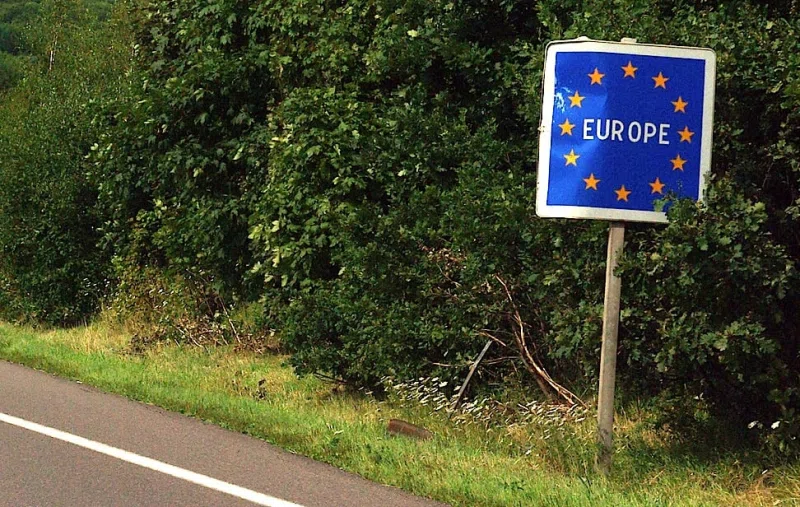
None of these countries, including Serbia, Albania, and Bosnia and Herzegovina, are full European Union members. Brussels generally treats the continent's peripheries as resources to be used or problems to be managed.
The political traffic generally runs in one direction, as ideas flow outward from Brussels while labour, energy and strategic assets flow inward. Candidate countries receive instruction on democratic standards, even when the centre consults local populations with questions already written and solutions largely decided.
Key facts
- Serbia's student-led movement won a parliamentary majority on 25 October.
- The Flamingo Protests in Albania challenge a luxury tourism project threatening protected wetlands.
- Women in Bosnia and Herzegovina have taken solidarity across the border to support Albanian communities.
Three perspectives
Neutral
Serbia, Albania, and Bosnia and Herzegovina are not full European Union members.
Positive
Bosnian river defenders have shown that political solidarity can cross a border rather than end at it.
Negative
Brussels has long treated the continent's peripheries as resources to be used or problems to be managed.
Your week in news, every Wednesday
The biggest stories of the week for your edition, in your inbox every Wednesday morning, your time. Free, and you can unsubscribe at any time.