

Scientist V Aswathi Balagopal contributes to Nobel-recognised neutrino research
The Kozhikode-born scientist used new data-analysis techniques to study the energy spectrum of cosmic neutrinos at the IceCube Neutrino Observatory in Antarctica.
 Science Desk 2 min read
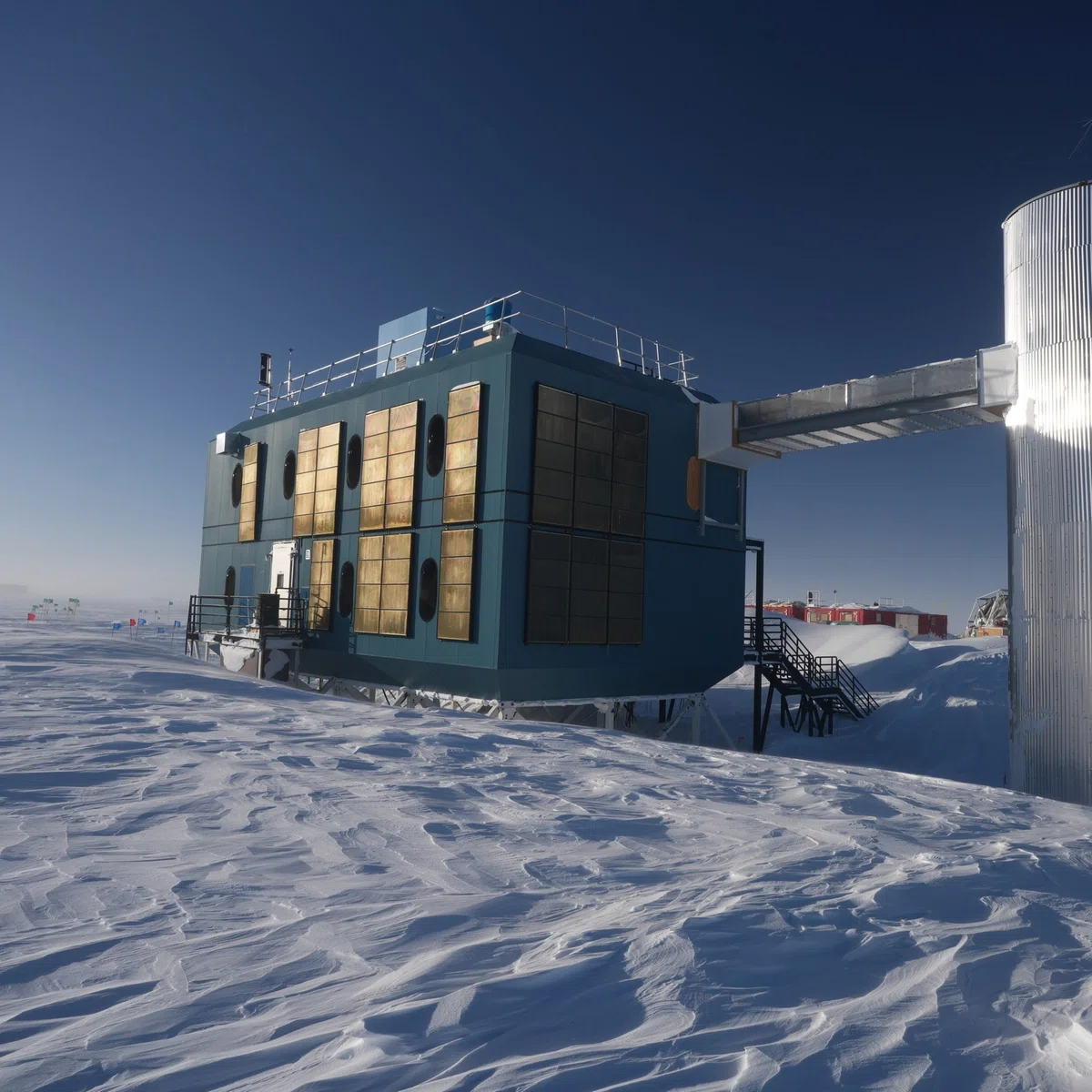
V Aswathi Balagopal, a scientist from Kozhikode, contributed to research on astrophysical neutrinos that was recognised by the Nobel Committee. Her work involved studying the energy spectrum of cosmic neutrinos detected by the IceCube Neutrino Observatory.
Working with graduate student Vedant Basu, Balagopal used new data-analysis techniques to examine how many neutrinos reach Earth at different energy levels. This analysis found that the cosmic neutrino energy spectrum contains a structure unlike previous measurements. The identification of a change in the pattern between lower and higher energies brings researchers closer to understanding the origin of these neutrinos.
The IceCube Neutrino Observatory is located at the Amundsen-Scott South Pole Station in Antarctica. The facility uses more than 5,000 light sensors drilled deep into the ice to detect faint flashes produced when neutrinos interact with matter. The observatory covers a volume of approximately one cubic kilometre to capture rare signals from cosmic sources.
Balagopal, who studied at Devagiri College in Kozhikode before earning a doctorate in Germany and working as a postdoctoral scholar in the United States, noted that navigating strict visa requirements was a challenge for Indian researchers. She advised students in Kerala to seek opportunities through networking and internships at universities or research centres.
Key facts
- V Aswathi Balagopal studied the energy spectrum of cosmic neutrinos using new data-analysis techniques.
- The IceCube Neutrino Observatory uses 5,000 light sensors buried in Antarctic ice.
- The research identified a new structure in the cosmic neutrino energy spectrum.
Three perspectives
Neutral
V Aswathi Balagopal contributed to the study of the energy spectrum of cosmic neutrinos at the IceCube Neutrino Observatory.
Positive
The Nobel Committee recognised the significance of the work regarding astrophysical neutrinos.
Negative
Balagopal identified navigating strict and complicated visa requirements as a difficulty for Indian citizens working abroad.
Your week in news, every Wednesday
The biggest stories of the week for your edition, in your inbox every Wednesday morning, your time. Free, and you can unsubscribe at any time.