

Deaf patients face healthcare barriers due to sign language interpreter shortage
A shortage of sign language interpreters in Tanzania creates risks of incorrect treatment and privacy breaches for people with hearing disabilities.
 Health Desk 2 min read
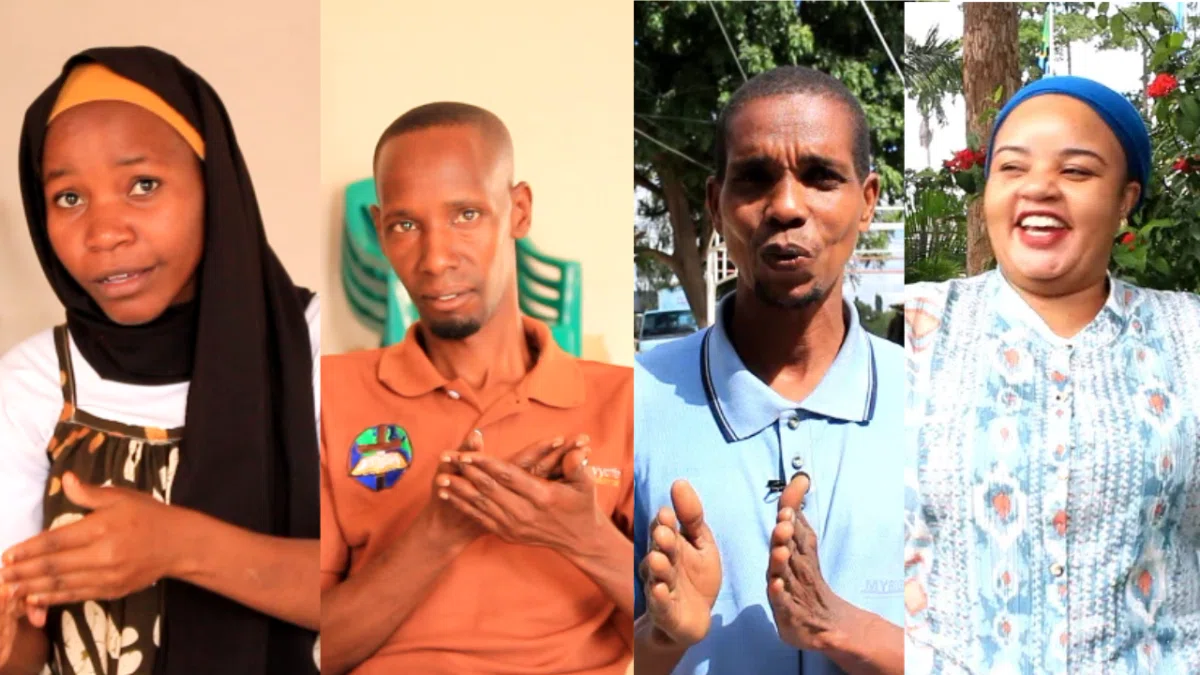
A shortage of sign language interpreters in Tanzania creates barriers between patients and healthcare providers. For Marietha Jonas, 24, seeking medical care can mean long waits and struggling to explain symptoms without the assurance that she has been understood. When patients and doctors cannot communicate effectively, consequences can include inadequate examinations, incorrect treatment, and failure to understand how to use prescribed medicines.
Ally Jumanne Malacha, 40, says explaining his condition to healthcare workers can lead to misunderstandings and humiliating encounters. He reported that some doctors have accused him of pretending to be deaf. Malacha also noted that the lack of interpreters poses risks to confidentiality during services like HIV testing, as an interpreter must translate everything.
The 2022 census indicates Dodoma City Council has approximately 11,500 to 13,000 people with hearing disabilities. A 2025 report by the Legal and Human Rights Centre indicates deaf people face twice the risk of dying when admitted to hospitals in critical condition compared with hearing people.
Yusuph Mloli, 46, chairperson of the Dodoma regional chapter of the Tanzania Association of the Deaf, recalled a private hospital doctor asking his sign language interpreter to leave the consultation room. Mloli left for another hospital without receiving treatment that day after the written exchange failed.
Mazengo Wilium, a former chairperson of the Association of Deaf People in Tanzania in Dodoma, said several institutions have paid for sign language training. These include the Tanzania Communications Regulatory Authority, Dodoma Regional Referral Hospital, and Benjamin Mkapa Hospital. However, trained personnel are not always assigned to positions where they can assist deaf patients.
Key facts
- Dodoma City Council has between 11,500 and 13,000 people with hearing disabilities according to the 2022 census.
- A 2025 LHRC report states deaf people face twice the risk of dying in critical condition in hospitals compared to hearing people.
- The Persons with Disabilities Act No. 9 of 2010 requires health facilities to ensure services are accessible to people with disabilities.
Three perspectives
Neutral
The shortage of sign language interpreters in Tanzania creates communication barriers between deaf patients and medical staff.
Positive
Several institutions, including Benjamin Mkapa Hospital and the Tanzania Communications Regulatory Authority, have paid for sign language training.
Negative
Deaf patients face risks of incorrect treatment, loss of medical confidentiality, and higher mortality rates in critical hospital conditions.
Your week in news, every Wednesday
The biggest stories of the week for your edition, in your inbox every Wednesday morning, your time. Free, and you can unsubscribe at any time.