

SkincAIr project presents skin disease detection progress in Kigali
Engineer Carla Rodríguez presented preliminary results for an AI medical initiative targeting neglected tropical skin diseases in five African countries.
 AI & Cyber Desk 2 min read
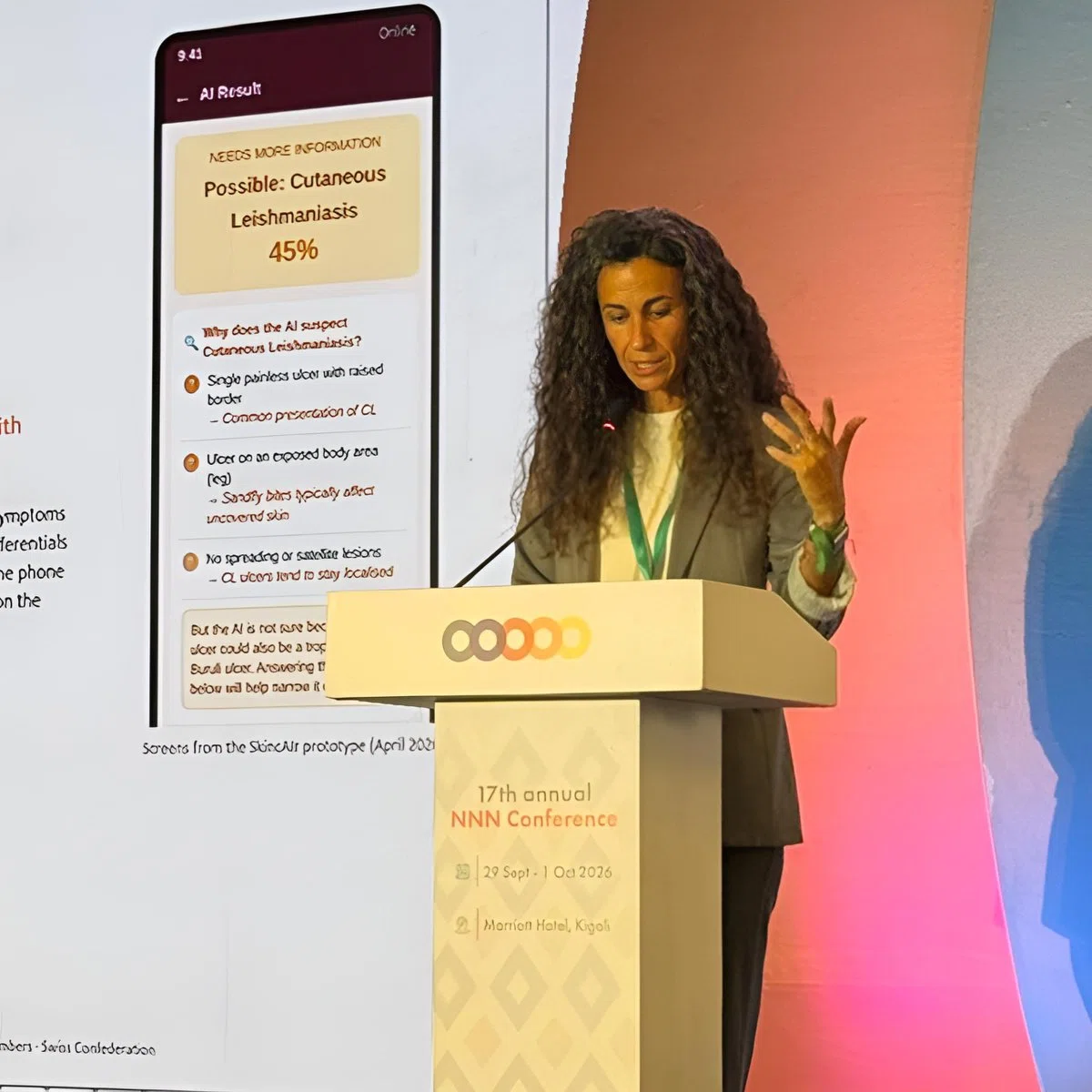
Engineer Carla Rodríguez has presented preliminary results for the SkincAIr project at the international NNN 2026 conference in Kigali, Rwanda. The project is a medical innovation initiative using artificial intelligence to help dermatologists detect skin diseases such as leprosy, scabies, or leishmaniasis. These conditions affect more than 1.2 billion people worldwide.
The mobile application is designed and coordinated from Lanzarote by the firm Sherwood Science with twelve African and European partners. A team of 23 dermatologists is collecting data in Kenya, Ethiopia, Nigeria, Senegal, and the Democratic Republic of Congo. Rodríguez stated that the team had reached 780 patients and collected almost 6,000 images last week.
The project aims to build the world's largest open-source database on dark skin. The final dataset will include 74 skin conditions, combining 22 common skin diseases, 40 pathologies with similar appearances, and samples of healthy skin. Rodríguez explained that the AI is being trained like a young dermatologist specializing after university.
Rodríguez noted that while cities like Kigali look like Europe, rural areas are different and it is difficult for funding to reach them.
The system is designed to help primary care health professionals reason the diagnosis rather than providing a verdict. In Senegal, researchers have also begun interviewing survivors to understand the stigma they have faced since childhood.
Starting in March 2028, the team will test the app for one year without the AI, six months with the AI activated, and another six months without it to evaluate learning retention among healthcare workers in Kenya, Senegal, and Ethiopia. Health ministries in the five participating countries have expressed interest in integrating the tool into public health systems after the validation period.
Key facts
- The SkincAIr project uses AI to detect skin diseases in Kenya, Ethiopia, Nigeria, Senegal, and the Democratic Republic of Congo.
- The project has collected almost 6,000 images from 780 patients.
- The final dataset will cover 74 skin conditions.
- Clinical testing of the app is scheduled to begin in March 2028.
Three perspectives
Neutral
The SkincAIr project is developing an AI-based mobile application to assist dermatologists in detecting neglected tropical skin diseases across five African nations.
Positive
Health ministries in the five participating countries have expressed interest in integrating the tool into their public health systems following a validation period.
Negative
Obtaining ethical approvals from national committees was described as an epic task involving significant bureaucratic and logistical barriers.
Your week in news, every Wednesday
The biggest stories of the week for your edition, in your inbox every Wednesday morning, your time. Free, and you can unsubscribe at any time.