

Scientists call for incentives to preserve vegetation in front gardens
A study found that gardens with hedges and plentiful vegetation had lower particle pollution and temperatures than paved gardens.
 Science Desk 2 min read
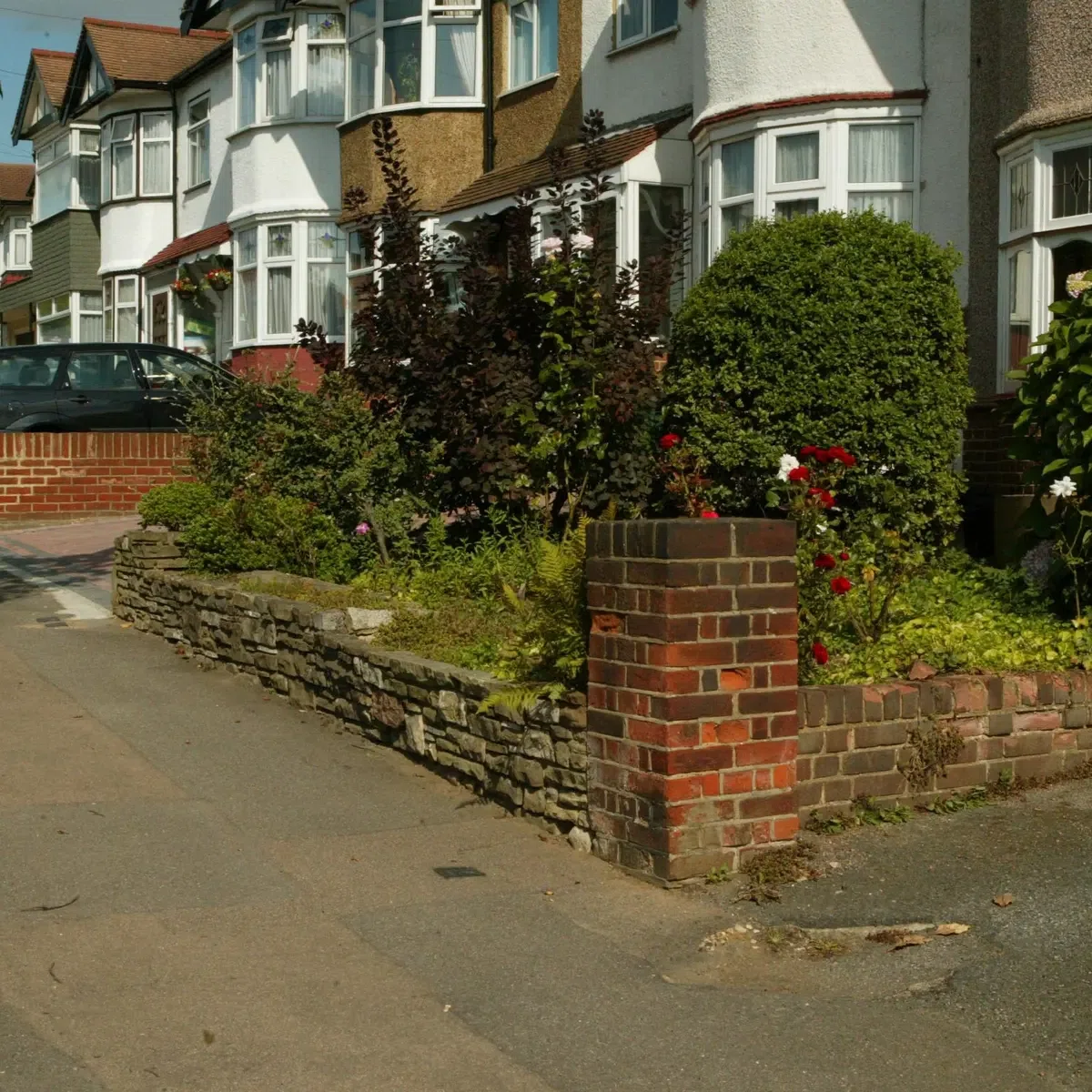
Scientists are calling for incentives to preserve vegetation as a study shows the benefits of plentiful planting in London. The research found that front gardens with lots of vegetation had lower particle pollution and temperatures than those with paving.
In the first study of its kind, researchers measured air pollution in eight gardens located alongside busy roads. One set of gardens was about 10 metres from North Circular Road in London, while the other was about 15 metres from a busy road in the east of the city. Gardens with hedges and plentiful vegetation had the lowest levels of particle pollution, with the best-performing garden having up to 80% lower particle pollution than paved gardens.
Hedges, shrubs and trees can alter the flow of air pollution from nearby roads. Plants can filter the air by trapping particles on their leaves, while gaseous pollutants can be absorbed through pores in the leaves. If air pollution is reduced directly outside the home, it is reasonable to expect that less pollution may enter indoors.
In summer, temperatures could be up to 6C (43F) hotter than in gardens with abundant vegetation. Prof Prashant Kumar, of the University of Surrey, said the cooling effect is especially clear and that keeping plants in front gardens could make a meaningful difference during hot nights.
Dr Karina Corada-Pérez, of the University of East London and first author of the study, said there is a clear opportunity to design front gardens that meet practical household needs while retaining vegetation. She noted the pressure to pave front gardens for low-maintenance spaces or off-street parking is very real. Corada-Pérez said there is a need for guidance and incentives that balance parking, accessibility and maintenance with the health, climate and environmental benefits of greener front gardens.
Key facts
- Gardens with hedges and plentiful vegetation had the lowest levels of particle pollution.
- The best-performing garden had up to 80% lower particle pollution than paved gardens.
- In summer, temperatures could be up to 6C (43F) hotter than in gardens with abundant vegetation.
Three perspectives
Neutral
Domestic gardens cover 41% of Greater London, compared with 27% of Cardiff and 23% of Edinburgh.
Positive
Greener front gardens can deliver real benefits, such as improved local air quality and cooling effects.
Negative
Gardens offer less protection from air pollution in spring when pollution from agriculture and farming can spread across wide areas.
Your week in news, every Wednesday
The biggest stories of the week for your edition, in your inbox every Wednesday morning, your time. Free, and you can unsubscribe at any time.