

 United Kingdom
Soil Association withdraws organic certification from salmon
The accreditation body removed its certification after a two-year review found environmental and welfare outcomes failed to meet its high bar.
 Business Desk 2 min read
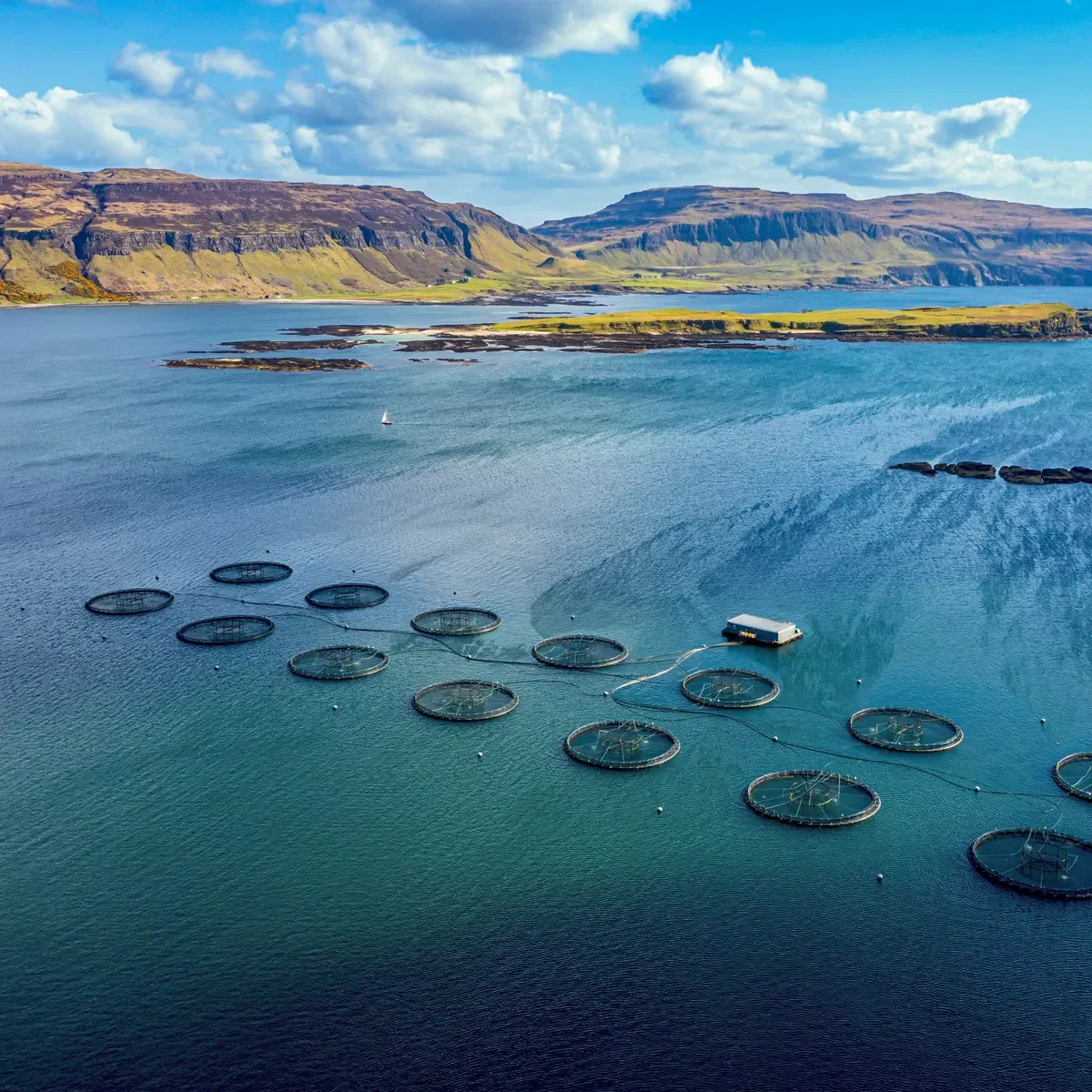
The Soil Association has withdrawn its organic certification from farmed salmon after 20 years.
Helen Browning, the CEO of the Soil Association, said the organisation had envisioned an aquaculture system that could deliver organic principles in the sea with minimal negative impact on other species. However, she stated that progress along these lines has been negligible and evidence suggests welfare and environmental outcomes are not sufficient to continue.
The review found concerns regarding suffering and high mortality rates on certified sites, which were not significantly better than non-organic farms.
Footage has emerged showing farmed salmon covered in blisters and sores as a result of sea lice infestations caused by high stocking densities. The charity WildFish said salmon farming is antithetical to organic principles, citing the use of harsh chemical pesticides and treatments such as formaldehyde to manage lice, as well as pollution from toxic chemicals and waste.
The British farmed salmon industry is worth £1bn a year and produces about 205,000 tonnes of fish annually, employing 2,500 people in Scotland. Since salmon farming was introduced, numbers of wild Atlantic salmon off British shores have declined by more than 70%.
Key facts
- The Soil Association has removed its organic certification for salmon after 20 years.
- Wild Atlantic salmon numbers off British shores have declined by more than 70% since salmon farming was introduced.
Three perspectives
Neutral
The Soil Association has withdrawn its organic certification from salmon following a review of environmental and welfare outcomes.
Positive
The Soil Association's decision is seen by Nick Measham, CEO of WildFish, as a start in exposing the environmental, sustainability and welfare disaster of salmon farming.
Negative
High mortality rates, sea lice infestations, and the use of chemical pesticides have led to calls for the industry to be recognised as inhumane and unsustainable.
Your week in news, every Wednesday
The biggest stories of the week for your edition, in your inbox every Wednesday morning, your time. Free, and you can unsubscribe at any time.