

 Antigua and Barbuda
Whaling Ban Stays
The International Whaling Commission has rejected a push to revive commercial whaling, keeping a 40-year-old global moratorium in place. The draft resolution was put forward by Antigua and Barbuda and co-sponsored by several countries.
 Global Newsflix 2 min read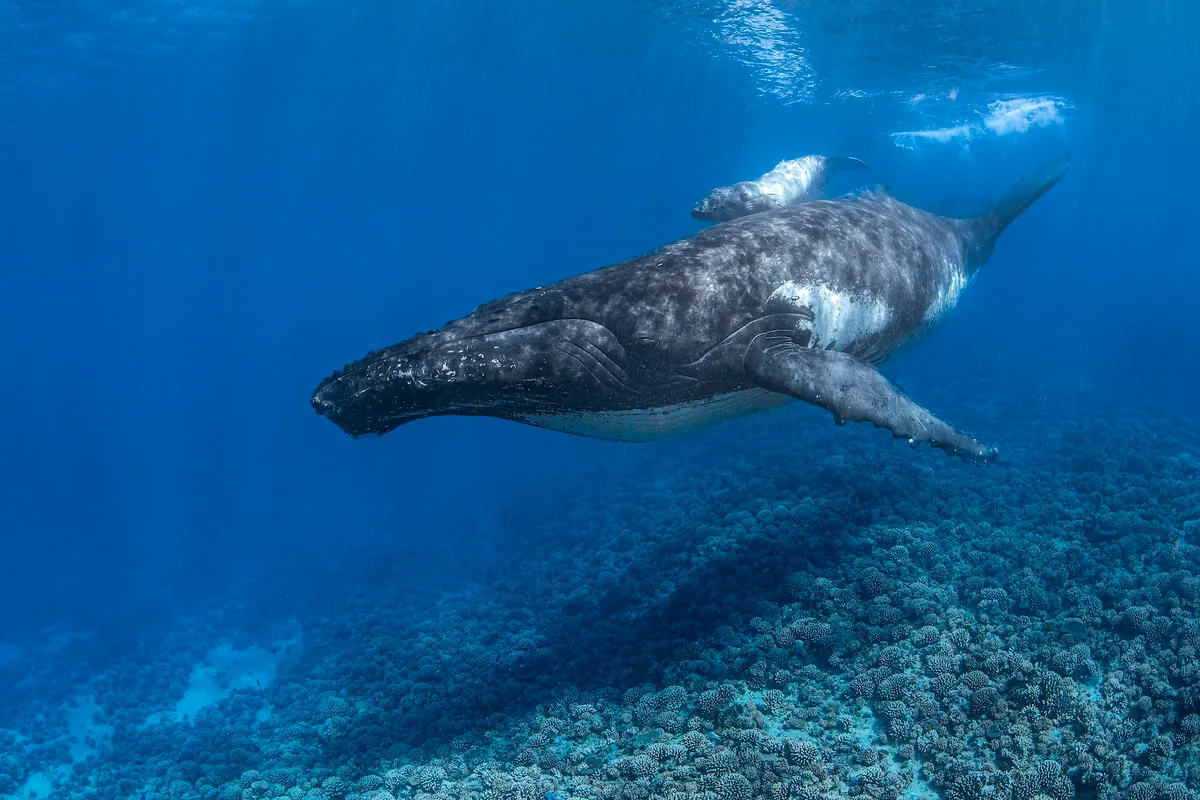
A proposal to reopen commercial whaling was withdrawn at the International Whaling Commission meeting in Hobart, Tasmania. The draft resolution, introduced by Antigua and Barbuda and co-sponsored by Palau, St. Kitts and Nevis, St. Lucia, and Togo, aimed to discuss the sustainable use of whale resources.
The meeting, attended by approximately 400 delegates from 89 member governments, marked 80 years since the IWC was established and 40 years since the moratorium on commercial whaling took effect. Experts say the moratorium has helped recover many whale species once on the brink of extinction.
Despite the ban, threats to whales remain, including fishing gear, fast-moving vessels, and pollution. Climate change is also disrupting cetacean food supplies, habitats, and migration patterns. A 2023 study found that one in four cetacean species are currently threatened with extinction.
Norway and Iceland continue to allow commercial whaling, under an objection and a reservation to the IWC's moratorium. Japan, which withdrew from the IWC in 2019, also continues to allow commercial whaling. The Icelandic government has announced plans to introduce a bill banning commercial whaling in 2027.
The IWC oversees the management and conservation of cetaceans, including whales, dolphins, and porpoises. The International Convention for the Regulation of Whaling, established in 1946, refers only to baleen and toothed whales, leading some to believe the moratorium may not apply to smaller cetacean species.
Grenada, which did not co-sponsor the bill, ultimately withdrew the draft resolution, leaving the global moratorium intact. The IWC meeting was held between September 27 and October 2, with delegates from all member governments and several observer organizations in attendance.
Key facts
- The International Whaling Commission rejected a push to revive commercial whaling
- The draft resolution was put forward by Antigua and Barbuda and co-sponsored by several countries
- The global moratorium on commercial whaling has been in place for 40 years
- One in four cetacean species are currently threatened with extinction
Three perspectives
Neutral
The decision to maintain the ban on commercial whaling has been met with relief from conservationists. The IWC will continue to oversee the management and conservation of cetaceans. The situation will be monitored to see how countries that continue to allow commercial whaling respond to the decision.
Positive
The rejection of the proposal to revive commercial whaling is a significant victory for conservation efforts. The global moratorium has helped recover many whale species, and its continuation will help protect these animals. The decision demonstrates a commitment to conservation and sustainability.
Negative
The continued threats to whales, including fishing gear and pollution, remain a concern. The decision to maintain the ban on commercial whaling may not address the root causes of these threats. Countries that continue to allow commercial whaling, such as Norway and Iceland, may continue to pose a threat to whale populations.
Your week in news, every Wednesday
The biggest stories of the week for your edition, in your inbox every Wednesday morning, your time. Free, and you can unsubscribe at any time.