

 Malaysia
Physicists Find New Type of Magnetism
Altermagnets have no net magnetization, but their electrons behave as if the material were magnetic, making them attractive for spintronics. This new type of magnetism could unlock faster, more efficient computers.
 Global Newsflix 2 min read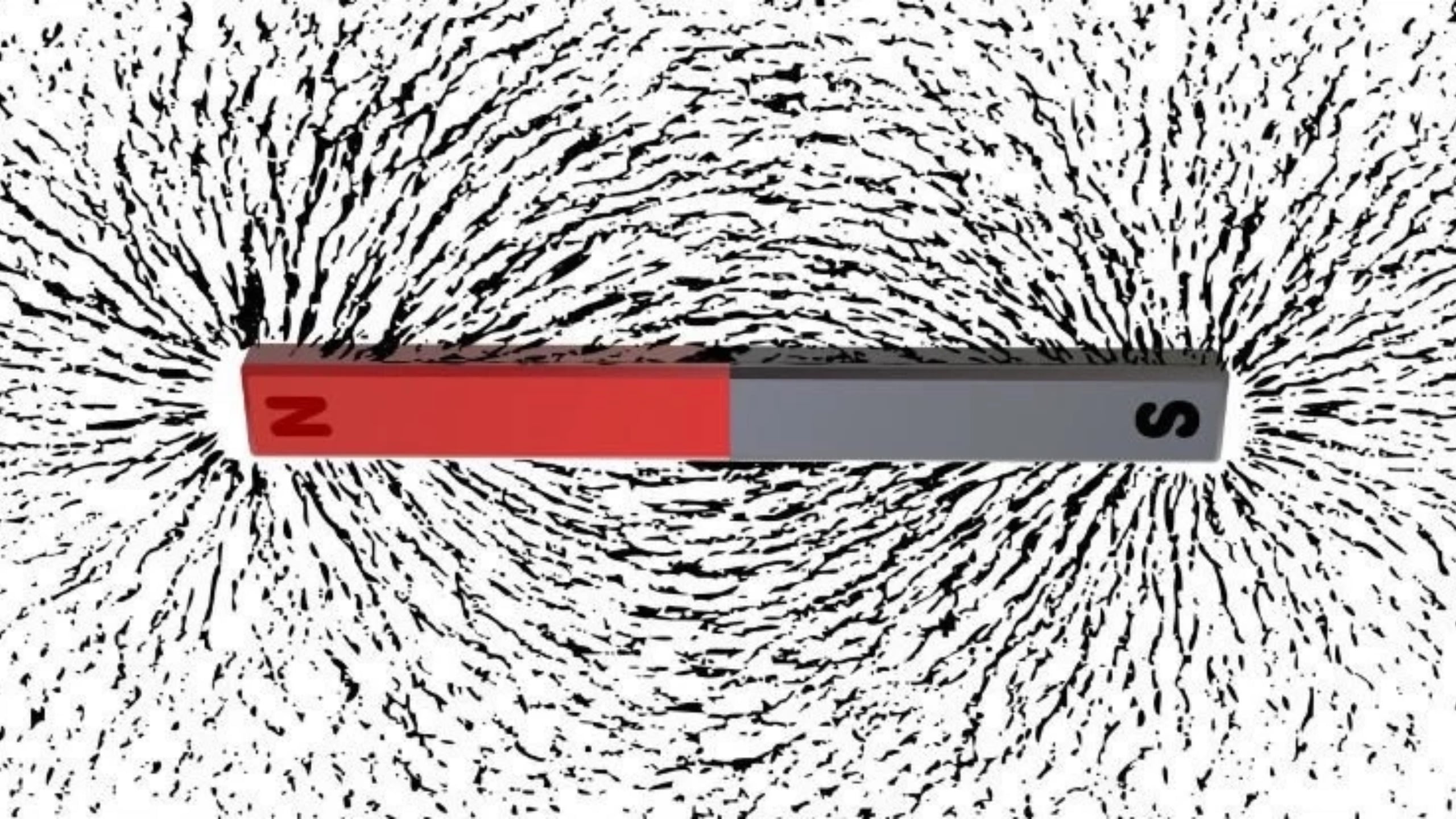
Physicists have found experimental evidence for a new type of magnetism, called altermagnetism, in a material called cobalt-intercalated tantalum diselenide (Co 1/4 TaSe 2).
In ferromagnets, atomic spins line up in the same direction, while in antiferromagnets, neighboring spins point in opposite directions and cancel each other out. Altermagnets, on the other hand, have no net magnetization, like antiferromagnets, but their electrons behave as if the material were magnetic.
The researchers used a technique called angle-resolved photoemission spectroscopy to map how electrons move inside a crystal, including measurements that distinguish between spin 'up' and spin 'down' electrons. They found that the material's electrons carried opposite spin polarizations, key evidence of altermagnetism.
Madhab Neupane, a professor of physics at the University of Central Florida, said that altermagnets offer another possibility by combining desirable characteristics of both ferromagnets and antiferromagnets. They can avoid producing unwanted stray magnetic fields, but they can also generate and detect spin currents.
The discovery of altermagnetism could lead to the development of faster, more efficient electronics that use electron spin rather than just charge. Altermagnets could be used in spintronics, ultrafast memory devices, terahertz networks, and energy-efficient electronics.
Constantin Schrade, an LSU professor, also conducted research on altermagnets, which supports new theories on how they could be useful to control spintronics. His findings were published in a popular academic journal.
The study of altermagnets is ongoing, and researchers are investigating their potential applications in various fields.
Key facts
- Altermagnets have no net magnetization, but their electrons behave as if the material were magnetic.
- The material Co 1/4 TaSe 2 exhibits altermagnetism.
- Altermagnets can generate and detect spin currents without producing stray magnetic fields.
- The discovery of altermagnetism could lead to the development of faster, more efficient electronics.
Three perspectives
Neutral
The discovery of altermagnetism is a significant finding that could lead to advancements in various fields. However, more research is needed to fully understand its potential applications. The study of altermagnets is ongoing, and researchers are investigating their properties and potential uses.
Positive
The discovery of altermagnetism could revolutionize the field of electronics, enabling the development of faster, more efficient devices. Altermagnets could also lead to breakthroughs in spintronics, ultrafast memory devices, and energy-efficient electronics.
Negative
The study of altermagnets is still in its early stages, and more research is needed to fully understand its potential applications. The material's properties and potential uses are not yet fully understood, and it may take time to develop practical applications.
Your week in news, every Wednesday
The biggest stories of the week for your edition, in your inbox every Wednesday morning, your time. Free, and you can unsubscribe at any time.