

 South Africa
Germany's largest union launches strikes in metal and electrical industries
IG Metall has expanded industrial action to demand a 5 percent pay rise and job security for 3.7 million workers.
 Business Desk 2 min read
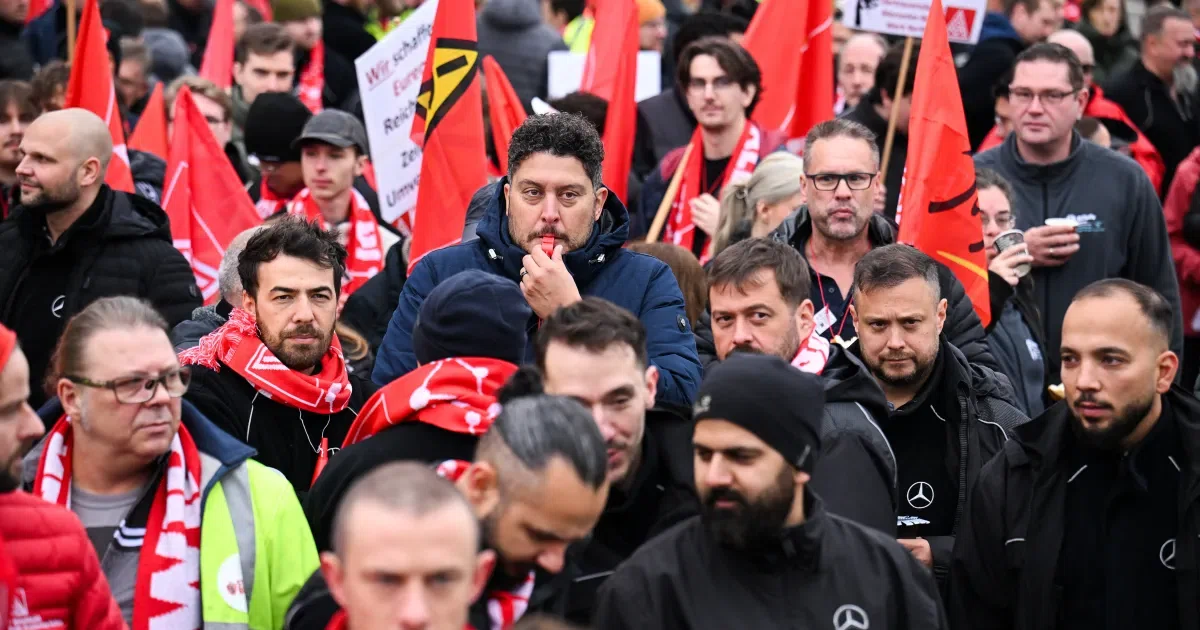
Germany's largest union, IG Metall, has launched a wave of strikes to push for higher wages and increased job security. The walkouts on Monday escalated a wage dispute affecting approximately 3.7 million employees in the metal and electrical engineering industries.
The union is calling for a 5 percent pay rise to address cost-of-living pressures. IG Metall is also seeking measures to protect jobs and production sites, along with profit-sharing arrangements in sectors performing strongly.
Employers have proposed a one-off payment equivalent to 1 percent of pay in July 2027, followed by a 1.3 percent wage increase from July 2028. This proposal would allow companies facing financial difficulties to withhold the one-off payment.
IG Metall rejected the offer, stating it would amount to a pay cut in real terms. Major manufacturers including Audi, Mercedes-Benz and Tata Steel have been affected by the strikes.
Strikes are expected to continue throughout the week. The union plans to release participation figures on Friday.
Key facts
- The wage dispute affects about 3.7 million employees in Germany's metal and electrical engineering industries.
- IG Metall is calling for a 5 percent pay rise.
- Employers proposed a 1.3 percent wage increase starting from July 2028.
Three perspectives
Neutral
The industrial action involves a dispute between IG Metall and employers over wage increases and job security for 3.7 million workers.
Positive
The union is seeking profit-sharing arrangements in sectors that are performing strongly.
Negative
IG Metall rejected the employers' proposal, claiming it would result in a pay cut in real terms.
Your week in news, every Wednesday
The biggest stories of the week for your edition, in your inbox every Wednesday morning, your time. Free, and you can unsubscribe at any time.