 United Kingdom
MPs call for dramatic progress to address UK navy shortfalls
A parliamentary committee warned that the UK lacks the capabilities to operate in the high north due to low availability of destroyers, frigates and attack submarines.
 Politics Desk 3 min read
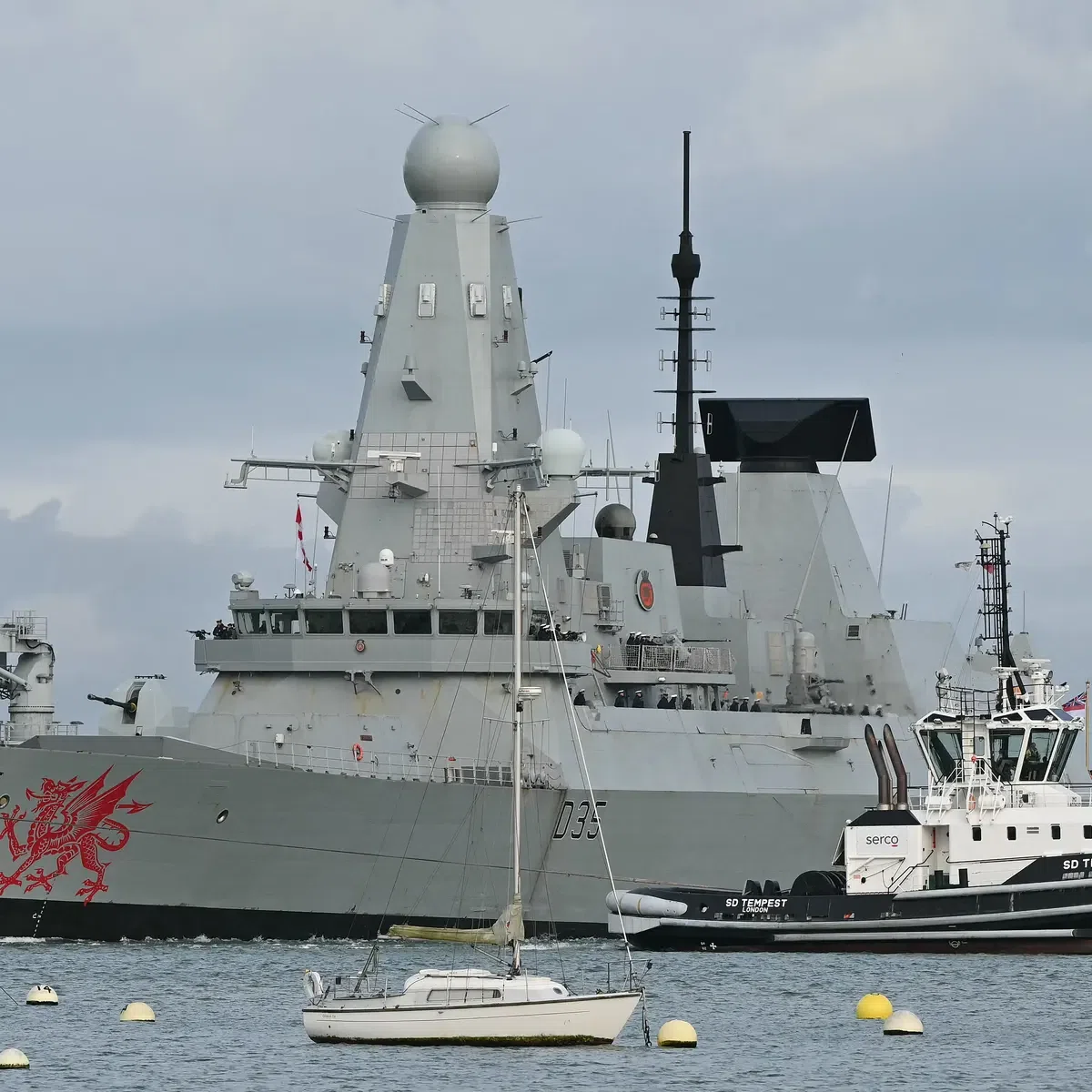
A parliamentary committee has called for the Ministry of Defence to ensure more warships and submarines are at sea by 2030, warning that the UK needs to make dramatic progress before the end of the decade. The committee cited the slow deployment of the destroyer HMS Dragon to Cyprus in March, which took more than three weeks because no warships were available and the vessel had to be hauled out of dry dock.
The committee focused on declining numbers of frigates and reports that all five Astute-class attack submarines were in dock this summer. None of the five submarines, which are used to track Russian maritime activity, were at sea from June into the summer due to short-term and long-term refits. The submarines also lack the capability to operate under ice, unlike Russian equivalents.
Tan Dhesi, the committee chair, said the UK needs to address the hard truth that it does not currently have all the capabilities to operate successfully in the high north. The committee noted that the navy has five frigates with sonar for detecting Russian submarines at distance, which is lower than a target of eight, as ageing warships have been scrapped without replacements. It could take until 2037 before the navy reaches its stated requirement.
The high north has become strategically significant due to growing Russian interest in energy pipelines and undersea cables, alongside the opening of Arctic seaways caused by global heating. Russia also seeks to control the emerging northern sea route, a 3,500-mile shipping lane that was navigable for four and a half months last year.
The MPs argued that critical military gaps would exist if the United States were not involved in countering Russian aggression. This follows a period where the navy shadowed the Russian spy ship Yantar in the UK's economic waters, with officials accusing sailors of trying to map strategic cables.
In response, a Ministry of Defence spokesperson said the government is clear-eyed about the threat Russia poses and highlighted a recent £330m investment to protect undersea infrastructure. Defence secretary Wes Streeting visited Iceland this month to observe HMS St Albans tracking Russian submarines in the North Atlantic.
Key facts
- The committee called for a plan to ensure more warships and submarines are at sea by 2030.
- All five Astute-class attack submarines were in dock during the summer.
- The navy currently has five frigates with sonar for detecting Russian submarines, below a target of eight.
Three perspectives
Neutral
The parliamentary committee has identified gaps in the UK's naval capabilities and called for increased deployment of warships and submarines by 2030.
Positive
The Ministry of Defence highlighted a recent £330m investment to protect undersea infrastructure.
Negative
The UK lacks the capability to operate under ice with its Astute submarines and faces a shortage of frigates equipped with long-distance sonar.
Your week in news, every Wednesday
The biggest stories of the week for your edition, in your inbox every Wednesday morning, your time. Free, and you can unsubscribe at any time.