

Sri Lanka aims for 70 percent renewable energy by 2030
Energy Minister Anura Karunathilaka says soaring oil prices are pushing the country to accelerate its transition to renewable energy despite grid and social constraints.
 Climate Desk 2 min read
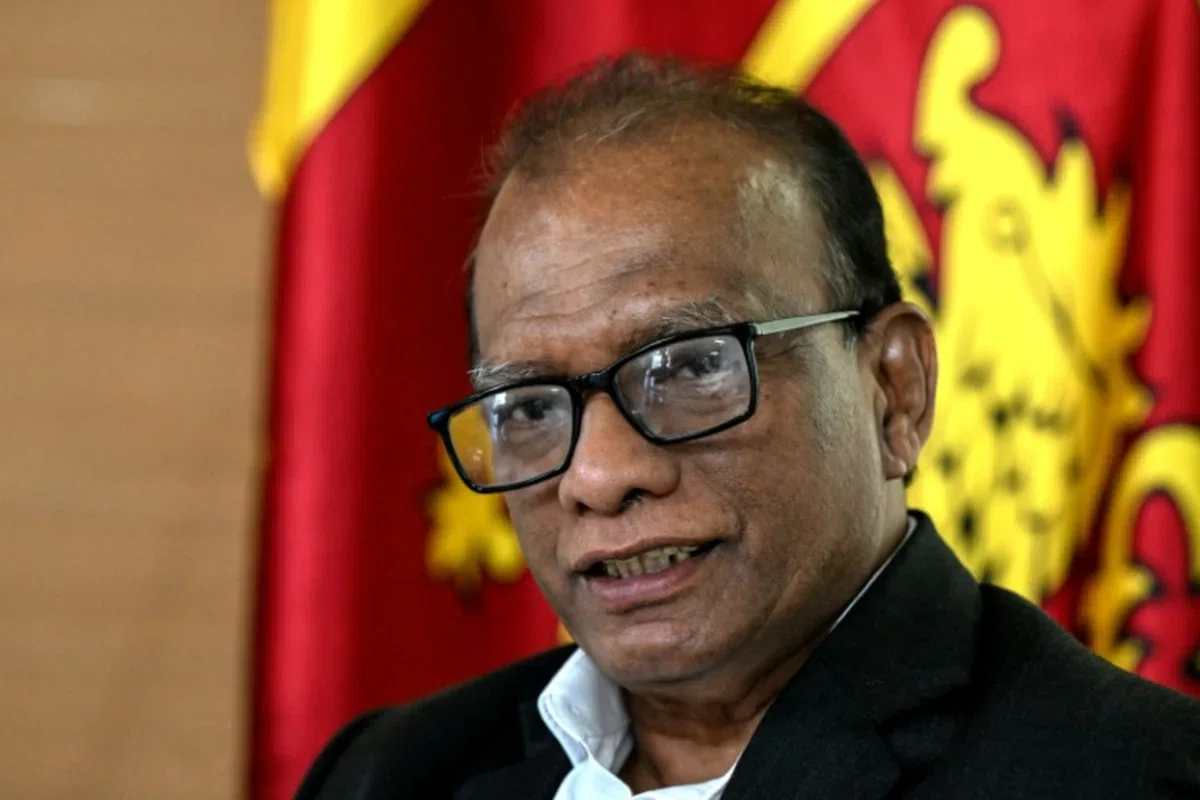
Sri Lanka is determined to accelerate its transition to renewable energy due to soaring oil prices, but the country faces major constraints, Energy Minister Anura Karunathilaka said.
The government aims to generate 70 percent of its electricity from renewable sources by 2030, up from approximately 60 percent currently. Karunathilaka said the country will probably have to go beyond 70 percent.
The island has an estimated 30 gigawatts of wind power potential, but residents in the northwestern Mannar peninsula have expressed anger, blaming turbines for causing floods, driving fish away, and threatening migratory birds. Karunathilaka said only projects already approved or under construction in Mannar will proceed, and future wind farms would be built elsewhere.
Technical constraints include transmission line capacity, grid control, and fluctuations in supply and demand. To address this, the government plans to add five major transmission network lines starting next year. The government also plans to expand electricity storage using batteries.
Solar power success has caused supply fluctuations, as generation often exceeds demand during daylight hours. A six-hour blackout occurred this month after the national grid tripped, possibly because solar power generation exceeded consumption. Karunathilaka said the government sometimes has to curtail certain solar power plants to maintain system stability.
The government hopes to increase solar power generation capacity to nearly 4,400 megawatts by 2029, a 388 percent jump from 2024. However, the minister said the government must change how solar electricity is priced because the existing system, where private producers feed electricity into the grid during peak generation and draw it back for free at night, is financially unsustainable for the economy.
Key facts
- Sri Lanka aims to generate 70 percent of its electricity from renewable sources by 2030.
- The government plans to increase solar power capacity to nearly 4,400 megawatts by 2029.
- The energy ministry has sometimes spent up to 30 percent of foreign exchange reserves in a single month on fossil fuel imports.
Three perspectives
Neutral
Sri Lanka is working to increase its renewable energy share to 70 percent by 2030 while managing grid stability and rising fuel costs.
Positive
The government plans to enhance transmission capacity by adding five major lines next year and expand battery storage.
Negative
Rising fuel prices and the need to pay for fossil fuel imports have strained foreign exchange reserves and the economy.
Your week in news, every Wednesday
The biggest stories of the week for your edition, in your inbox every Wednesday morning, your time. Free, and you can unsubscribe at any time.