

 Iceland
Storm patterns in Ireland linked to North Atlantic Oscillation and historical cooling
Analysis shows storm frequency and intensity vary by decades and millennia, influenced by pressure differences and North Atlantic sea ice levels.
 Climate Desk 2 min read
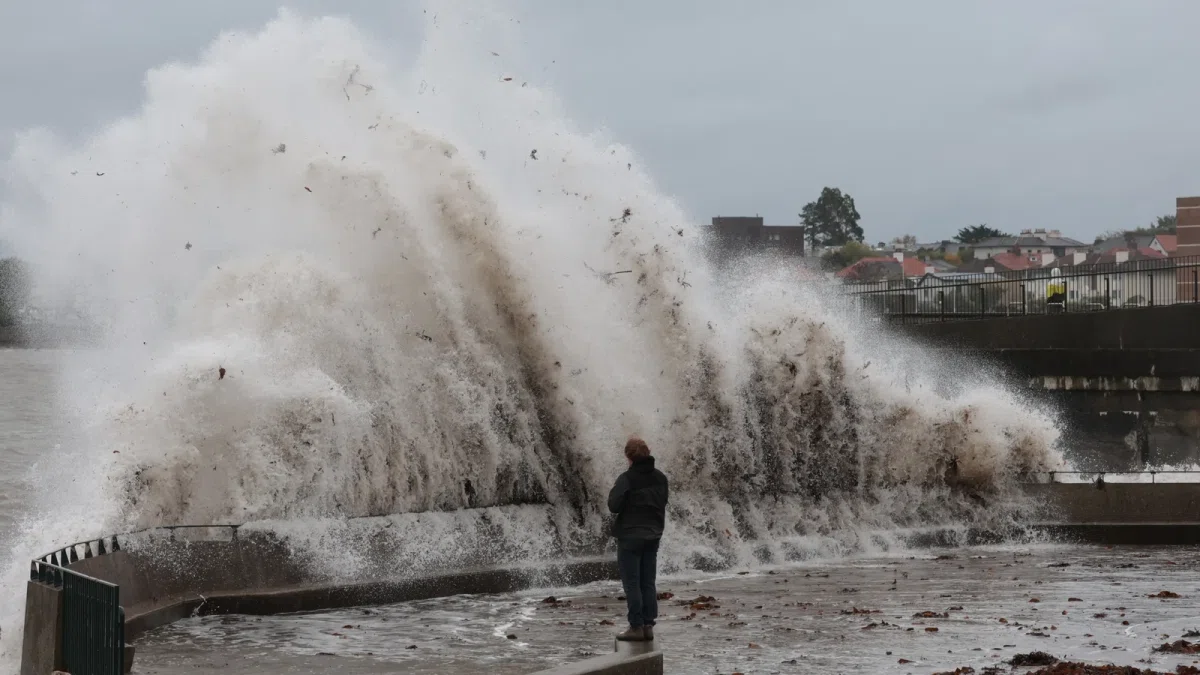
Ireland has experienced periods of very high storminess characterized by more frequent and intense storms. One cause of high storminess in certain decades, such as the 1910s-1920s and 1980s-1990s, was an atmospheric circulation pattern known as the North Atlantic Oscillation (NAO).
The NAO reflects the difference in pressure between a low pressure anchored over Iceland and a high pressure over the Azores. When this pressure difference is high, a positive NAO index, the westerly airflow over the Atlantic strengthens and a series of storms is directed over northern Europe.
Historical data from the Little Ice Age, occurring between 1400 and 1850 AD, shows a time of more intense storms and colder conditions in Europe. One theory suggests powerful storms were produced by strong cooling of the North Atlantic. Records from Iceland show greater persistence of sea ice around the coastline during this time.
Evidence of past storminess includes sand dunes in Northern Ireland becoming less stable and a unique sand layer found deep within bogs on Achill Island marking a severe period 5,200 years ago. In 1839, a storm known as The Night of the Big Wind caused destruction across Ireland, killing up to 300 people and wrecking 42 ships.
Regarding future patterns, there is high uncertainty about how storminess in Ireland will change in response to climate change. However, a recent modelling study simulating future storminess indicated that an increase in rainfall and wind strengths is likely. Rising sea levels will increase the impact that storms have on coastal communities.
Key facts
- The North Atlantic Oscillation influences storminess through the pressure difference between Iceland and the Azores.
- The Night of the Big Wind in 1839 is considered the worst storm in the last 300 years.
- Modelling suggests an increase in rainfall and wind strengths is likely in the future.
Three perspectives
Neutral
Storminess in Ireland has varied over decades, centuries, and millennia.
Positive
Modelling studies provide indications that an increase in rainfall and wind strengths is likely.
Negative
Rising sea levels will increase the impact that storms have on coastal communities.
Your week in news, every Wednesday
The biggest stories of the week for your edition, in your inbox every Wednesday morning, your time. Free, and you can unsubscribe at any time.