

 South Africa
Weight-loss drug use drives boom in protein-enriched food market
Users of GLP-1 medications like Ozempic and Mounjaro seek protein to counter muscle loss, fueling a global market worth nearly $58bn last year.
 Health Desk 2 min read
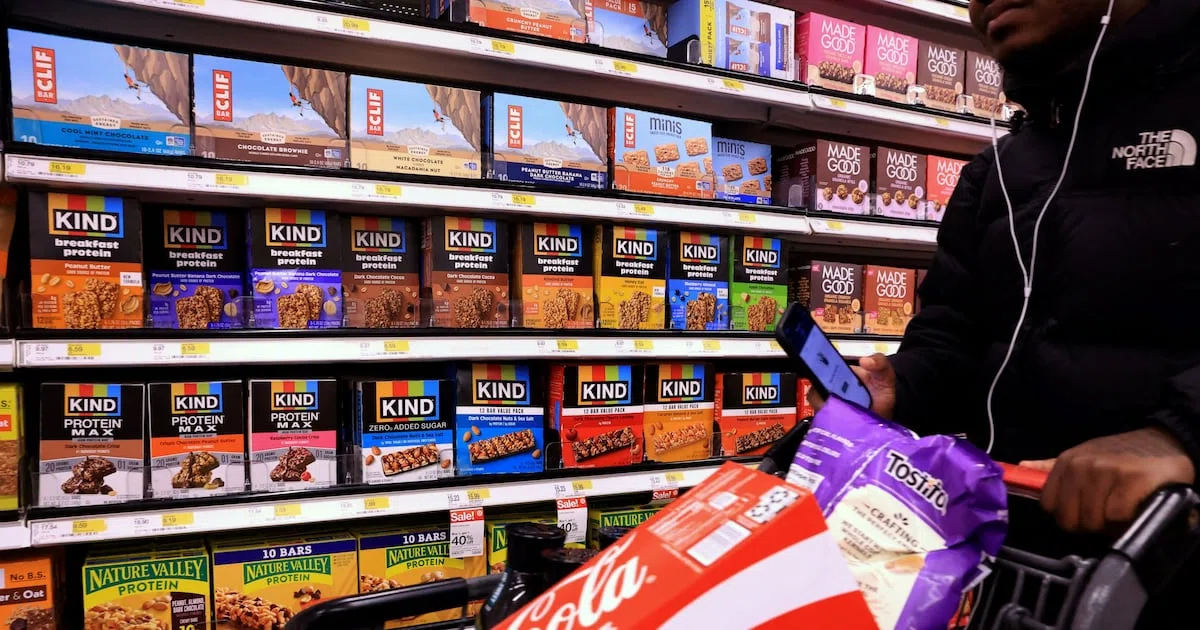
The rise of weight-loss drugs is driving a boom in protein-based products. Users of GLP-1 medication, such as Novo Nordisk’s Ozempic and Eli Lilly’s Mounjaro, are looking for ways to counter the muscle loss those drugs can cause. A Boston Consulting Group survey found that GLP-1 users say they will spend 11% more on high-protein foods than before starting the drugs.
The worldwide protein-enriched food market was worth nearly $58bn last year. Companies are expanding offerings to meet demand, including Aldi, which is launching a line of private-label protein pancakes in October, and Walmart, which will sell a protein-infused instant coffee product from November until January.
However, consumers are becoming more sceptical of foods advertised as high protein. Some shoppers question whether products contain as much protein as advertising implies, or they reject products that contain many additives or sugar.
Dietitians and researchers have raised concerns regarding the nutritional quality of these products. Dana Hunnes, a clinical dietitian at the University of California, Los Angeles, said people do not need as much protein as industry marketing has promoted and that some products have too many processed ingredients to be healthy. Jonathan Bonnet, chief medical officer at the Ardmore Institute of Health, noted that a Nature Valley granola product advertising 13g of protein based on a 65g serving size has a very low protein-to-calorie ratio, stating a glass of skim milk has more protein than that serving.
French food company Danone recently filed an advertising lawsuit against yoghurt maker Chobani, accusing it of inflating protein claims by using non-standard serving sizes. Chobani has disputed those claims. Meanwhile, Hormel Foods said it is avoiding the use of additives like whey powder, pea powder, or engineered protein isolates because people do not want too much science in their food.
Key facts
- The worldwide protein-enriched food market was worth nearly $58bn last year.
- GLP-1 medication users say they will spend 11% more on high-protein foods than before starting the drugs.
- 25% of snack industry survey respondents are using scanning apps to check nutritional value.
Three perspectives
Neutral
The rise of weight-loss drugs is driving a boom in protein-based products as users seek to counter muscle loss.
Positive
Companies like Aldi and Walmart are expanding their product lines to include protein pancakes and protein-infused coffee.
Negative
Dietitians and consumers have raised concerns about high levels of additives, sugar, and misleading protein claims in marketed products.
Your week in news, every Wednesday
The biggest stories of the week for your edition, in your inbox every Wednesday morning, your time. Free, and you can unsubscribe at any time.