

Health advice issued on Ebola transmission and prevention
Ebola spreads through direct contact with infected bodily fluids or contaminated objects, according to health guidance.
 Health Desk 2 min read
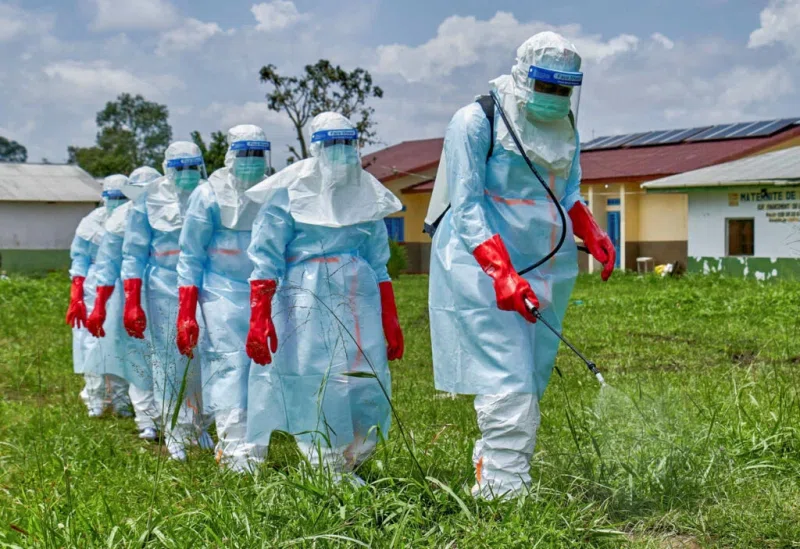
Ebola is a serious viral disease that spreads mainly through direct contact with the blood, vomit, stool, urine, saliva, and other bodily fluids of an infected person showing symptoms. The virus can also spread through contact with contaminated objects.
People can contract Ebola through contact with infected wild animals, including certain bats and non-human primates. To reduce risk, avoid handling sick or dead wild animals and do not consume animals that may be infected.
Symptoms of Ebola can include fever, fatigue, headache, muscle pain, vomiting, and diarrhoea. These symptoms can also occur with other illnesses and do not automatically mean someone has Ebola.
To prevent spread, wash hands regularly with soap and clean water, especially after using the toilet and before preparing or eating food. An alcohol-based hand sanitiser can also help when hands are not visibly dirty and soap and water are unavailable.
If someone develops symptoms after possible exposure, contact local health authorities or a health facility immediately and explain the symptoms and potential exposure. Call ahead before visiting a facility so health workers can advise on the safest next steps.
Ordinary social contact, such as sitting beside someone or sharing a public space, does not transmit Ebola on its own. Nigerians should rely on official health advisories rather than unverified social media posts.
Key facts
- Ebola spreads through direct contact with the blood or other bodily fluids of an infected person or contaminated objects.
- Symptoms may include fever, fatigue, headache, muscle pain, vomiting, and diarrhoea.
- Infection can occur through contact with infected wild animals like certain bats and non-human primates.
Three perspectives
Neutral
Ebola spreads through direct contact with the bodily fluids of an infected person or through contact with infected animals.
Positive
Following verified public health advice and maintaining good hand hygiene can help protect against the spread of infectious diseases.
Negative
Misinformation spreading across social media can cause concern and make a public health situation worse.
Your week in news, every Wednesday
The biggest stories of the week for your edition, in your inbox every Wednesday morning, your time. Free, and you can unsubscribe at any time.