

Israel certifies election results amid claims of fraud and foreign interference
The Central Elections Committee found no evidence of fraud, but Netanyahu's allies refuse to back the results as President Herzog begins consultations to form a government.
 World Desk 3 min read
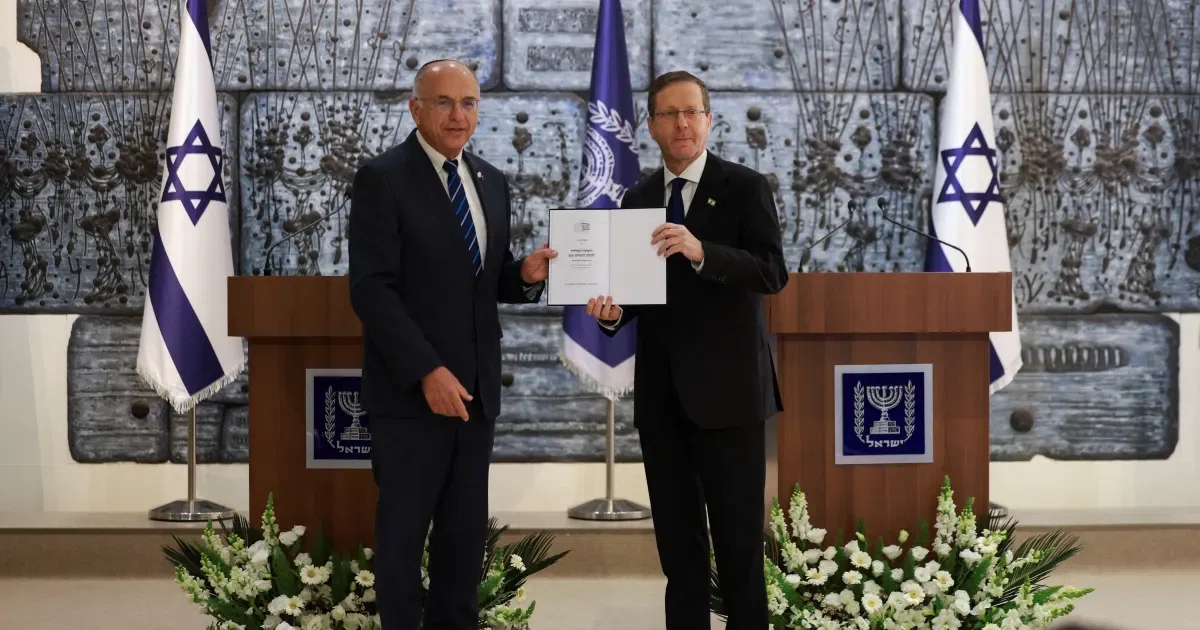
Israel’s Central Elections Committee has certified the results of last week’s general elections after finding no evidence of fraud. The committee reviewed 9,069 polling stations and found no irregularities that compromised the integrity of the election or changed its results. Acting director general Dean Livne said every complaint was examined individually and the results accurately reflected voters’ choices.
The results were submitted to President Isaac Herzog on Wednesday, who will now hold two days of consultations with bloc leaders before choosing a candidate to form a coalition. The Netanyahu-led bloc won 53 parliamentary seats, while Gadi Eisenkot’s opposition bloc received 48, and Arab-led parties Ra’am and the Joint List secured 19 seats. With neither bloc attaining the 61-member majority needed to govern in the 120-seat Knesset, Herzog asked for goodwill so that the State of Israel emerges the winner.
Prime Minister Benjamin Netanyahu and his allies have repeatedly claimed, without evidence, that Arab-led parties stole the election, possibly with foreign help. National Security Minister Itamar Ben-Gvir called for the arrest of all Arab party leaders and demanded a freeze on forming a government, writing on X that the results are fraudulent. Likud legislator Amit Halevi resigned from the committee, alleging that some lawmakers bought their seats with bribe money and that the vote reflected the choice of the rulers of Qatar, Iran or Turkey.
Supreme Court Justice Noam Sohlberg, chairman of the Central Elections Committee, said those casting doubt on the results pose a real danger to Israel’s democracy. He rejected a Likud demand to discuss the results before certifying them, stating that no party could withhold their publication. Sohlberg said that even if foreign interference were confirmed, it would not undermine the overall result.
The election deadlock raises the possibility of a unity government or an alliance between Eisenkot and Arab-led parties. If no one is able to form a governing coalition, Israel would hold another election early next year. Herzog will meet smaller parties’ leaders first, starting with Religious Zionism, followed by Shas and Yisrael Beytenu. The remaining factions will meet with the president on Thursday, ending with Eisenkot’s Yashar and Likud.
Key facts
- The Netanyahu-led bloc won 53 seats, while Gadi Eisenkot’s opposition bloc won 48 seats.
- The Central Elections Committee certified the results after finding no evidence of fraud in 9,069 polling stations.
- President Isaac Herzog will hold two days of consultations with political leaders to determine who will form a government.
Three perspectives
Neutral
President Isaac Herzog has begun consultations with political leaders to form a government after the Central Elections Committee certified the election results.
Positive
The Central Elections Committee found no irregularities that compromised the integrity of the election or changed its results.
Negative
Netanyahu’s allies and some Likud legislators have claimed the election was stolen or fraudulent, posing what Justice Noam Sohlberg called a real danger to democracy.
Your week in news, every Wednesday
The biggest stories of the week for your edition, in your inbox every Wednesday morning, your time. Free, and you can unsubscribe at any time.