

Producers discuss The Legend of Zelda: Ocarina of Time remake for Switch 2
Eiji Aonuma and Hidemaro Fujibayashi explain how the remake blends original N64 gameplay with modern graphics and player freedom.
 Entertainment Desk 2 min read
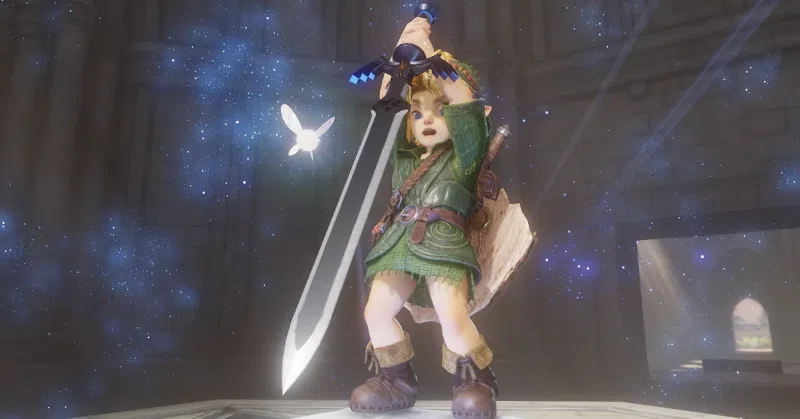
Producers Eiji Aonuma and Hidemaro Fujibayashi have discussed bringing the first 3D Zelda to a new audience through a remake of Ocarina of Time on the Switch 2. The game retains much of the original N64 experience while updating it with modern graphics and gameplay to feel contemporary.
The development team included younger developers, some of whom had never played the original game. Hidemaro Fujibayashi said these new voices provided perspective and embraced the theme of what not to change from the original. He noted the team looked for elegance and only included what was important in the original.
Eiji Aonuma, who was a director on the original game, noted that the scale of production has changed since the 1998 debut. While the process is not so different from the N64 days, there are more people and more time involved, which can make managing teams harder.
To connect the remake to recent titles like Breath of the Wild and Tears of the Kingdom, the team added complete camera control and the ability to jump anywhere. Aonuma said adding the free jump was a way to give players another way to approach goals in the game.
The remake also features overhauled graphics that blend realism and fantasy art. Hidemaro Fujibayashi, who was working at Capcom when the original launched, said the solutions found in the original, such as Z-targeting, remain a foundation for creating 3D games.
Key facts
- The Ocarina of Time remake is for the Switch 2.
- Producers for the remake are Eiji Aonuma and Hidemaro Fujibayashi.
- The remake includes new features such as complete camera control and the ability to jump anywhere.
Three perspectives
Neutral
The remake of Ocarina of Time on Switch 2 combines original N64 elements with modern graphics and gameplay updates.
Positive
Hidemaro Fujibayashi expressed confidence in the younger developers for their ability to focus on elegance and what was important in the original.
Negative
Eiji Aonuma noted that the increased scale of production and more people involved can make managing teams harder.
Your week in news, every Wednesday
The biggest stories of the week for your edition, in your inbox every Wednesday morning, your time. Free, and you can unsubscribe at any time.