

UK energy secretary faces cabinet split over Rosebank oilfield approval
Miatta Fahnbulleh is reportedly leaning towards rejecting the project, despite pressure from the Treasury and Chancellor John Healey.
 World Desk 2 min read
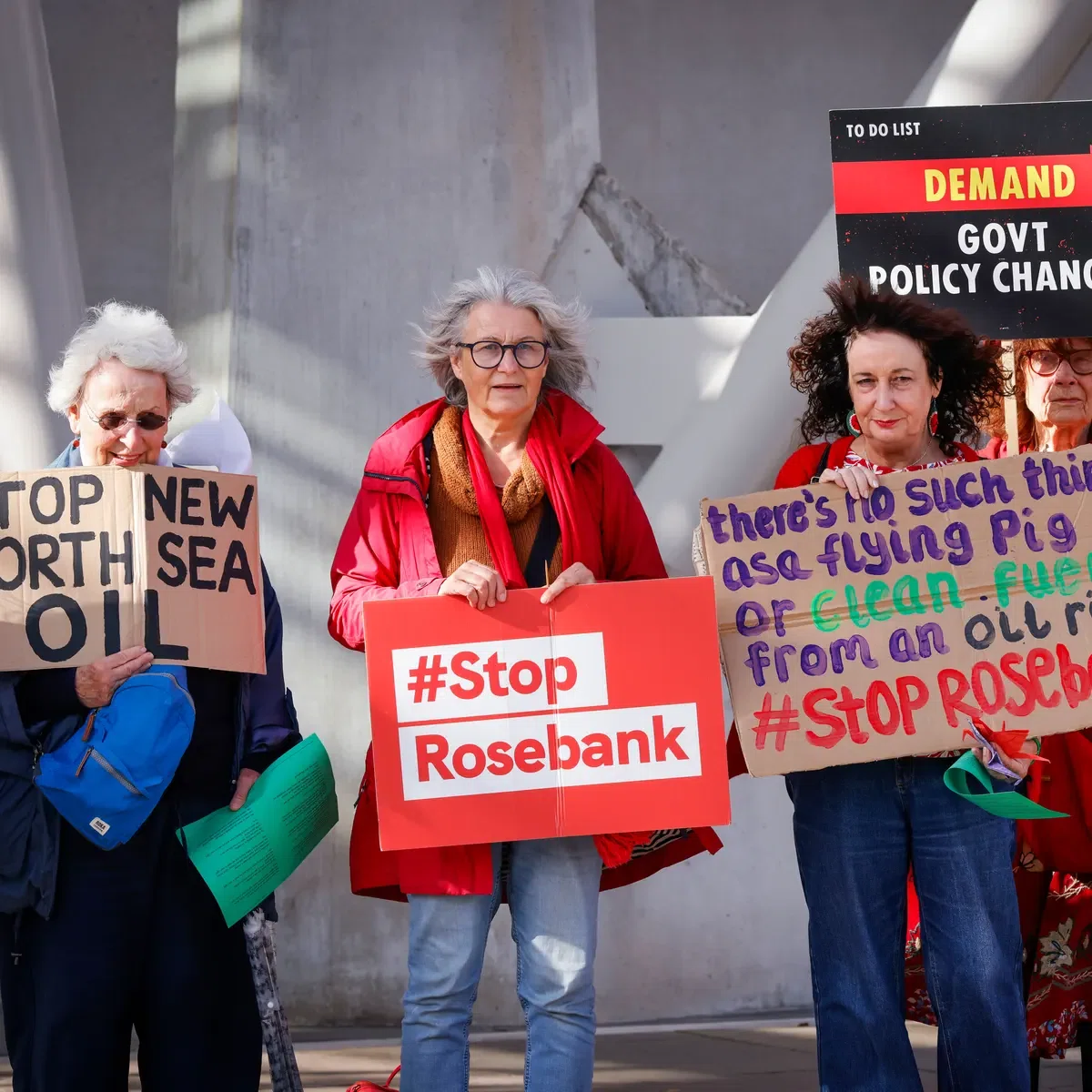
Energy secretary Miatta Fahnbulleh is reportedly leaning towards rejecting the Rosebank oilfield project, a position that has put her at loggerheads with cabinet colleagues. Chancellor John Healey and other colleagues are lobbying for the project's approval.
The Treasury has already accounted for billions of pounds in tax revenue from Rosebank and would face a shortfall if the project is rejected. Adura, the company operating the field, estimates tax benefits could reach £500m a year by the end of this parliament.
Government insiders say the project can be approved under a strict reading of Britain's climate obligations because emissions from burning exported oil do not count against domestic targets. Experts estimate Rosebank could emit 1m additional tonnes of carbon dioxide by 2042, against an overall limit of 90m tonnes.
Fahnbulleh must make a decision because a 2024 judge ruled that previous environmental consent was incorrectly given by the former Conservative government. The ruling stated ministers should have accounted for emissions generated by burning the oil, not just those from drilling.
Climate campaigners, including Greenpeace and Friends of the Earth, have urged the prime minister to consider the cumulative impacts of North Sea drilling.
Key facts
- The Treasury expects billions of pounds in tax revenue from the Rosebank oilfield.
- Adura estimates Rosebank could provide £500m a year in tax benefits by the end of this parliament.
- Rosebank could emit 1m additional tonnes of carbon dioxide by 2042.
Three perspectives
Neutral
The decision on the Rosebank oilfield rests with energy secretary Miatta Fahnbulleh following a legal judgment regarding environmental consent.
Positive
Approving the project could provide significant tax revenue, jobs, and investment.
Negative
Climate campaigners view the project as a harmful step away from prioritising net zero.
Your week in news, every Wednesday
The biggest stories of the week for your edition, in your inbox every Wednesday morning, your time. Free, and you can unsubscribe at any time.