

GS25 opens large-scale fresh food factory in Mongolia
The facility produces up to 3,000 kimbap rolls per hour and uses 100% domestic rice to ensure quality consistent with Korean stores.
 Business Desk 2 min read
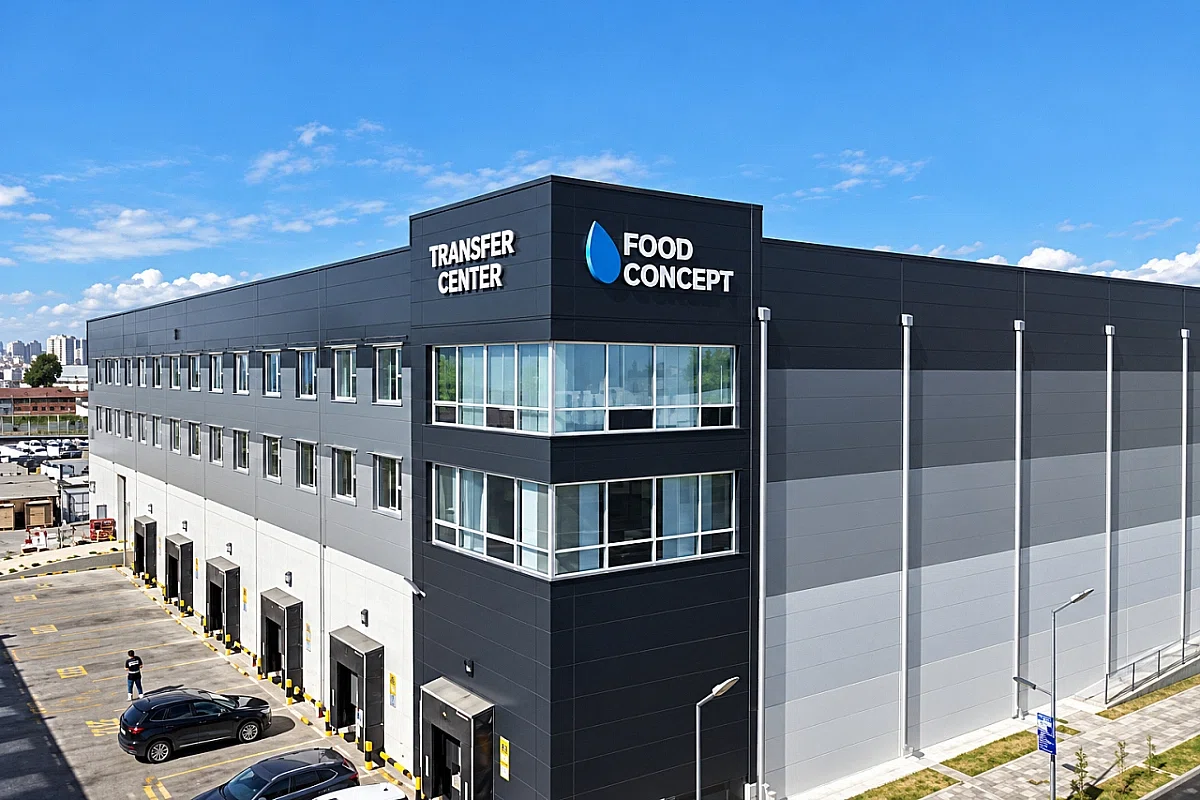
GS25 has fully operationalized its largest-scale fresh food (FF) factory in Mongolia since July. Located on an 8,960 square meter site on the outskirts of Ulaanbaatar, the facility took three years from site selection to completion.
The factory consists of Building A, which handles raw material storage, cooking, packaging, freezing, refrigeration, distribution, and shipping, and Building B, which serves as a logistics center. The facility uses latest automation machinery from Korea and Japan for raw material preparation and cooking. It currently produces approximately 40,000 units daily, though maximum daily capacity is 100,000 units based on an eight-hour shift.
To provide ready meals with the same flavor and chewiness as domestic Korean stores, the factory uses 100% domestically produced rice. This replaces previous outsourcing where Japanese and Chinese rice was used. Other key raw materials, including seaweed, tuna, and pork from Jeju, are imported from Korea, while core sauces for bulgogi and jeyuk bokkeum follow domestic recipes.
The production lines include gimbap, triangle gimbap, bento boxes, sandwiches, and burgers. Currently, about 3,000 triangle gimbap and gimbap are produced per hour. Chef Sanchir, a mentor to a winner of the 'Top Chef' program in Mongolia, is in charge of overall production.
GS25 entered the Mongolian market in 2021 and operated about 290 stores across the country as of the end of September this year. Sales grew from 4.167 billion won in 2021 to 107.167 billion won last year.
Key facts
- The GS25 FF factory has been fully operational in Mongolia since July.
- The facility can produce up to 100,000 units daily at maximum capacity.
- The factory uses 100% domestic rice to maintain quality consistent with Korean stores.
Three perspectives
Neutral
GS25 has opened a large-scale fresh food factory near Ulaanbaatar to produce ready meals using both imported Korean ingredients and domestic rice.
Positive
The factory utilizes latest automation machinery and Korean HACCP quality control standards to ensure hygiene and consistency.
Negative
Initial attempts to localize raw materials were abandoned due to significant quality differences.
Your week in news, every Wednesday
The biggest stories of the week for your edition, in your inbox every Wednesday morning, your time. Free, and you can unsubscribe at any time.