

IGAD calls for stronger e-waste recycling in Horn of Africa
The regional bloc warned that digital transformation must be matched by measures to manage discarded devices and prevent environmental contamination.
 Technology Desk 2 min read
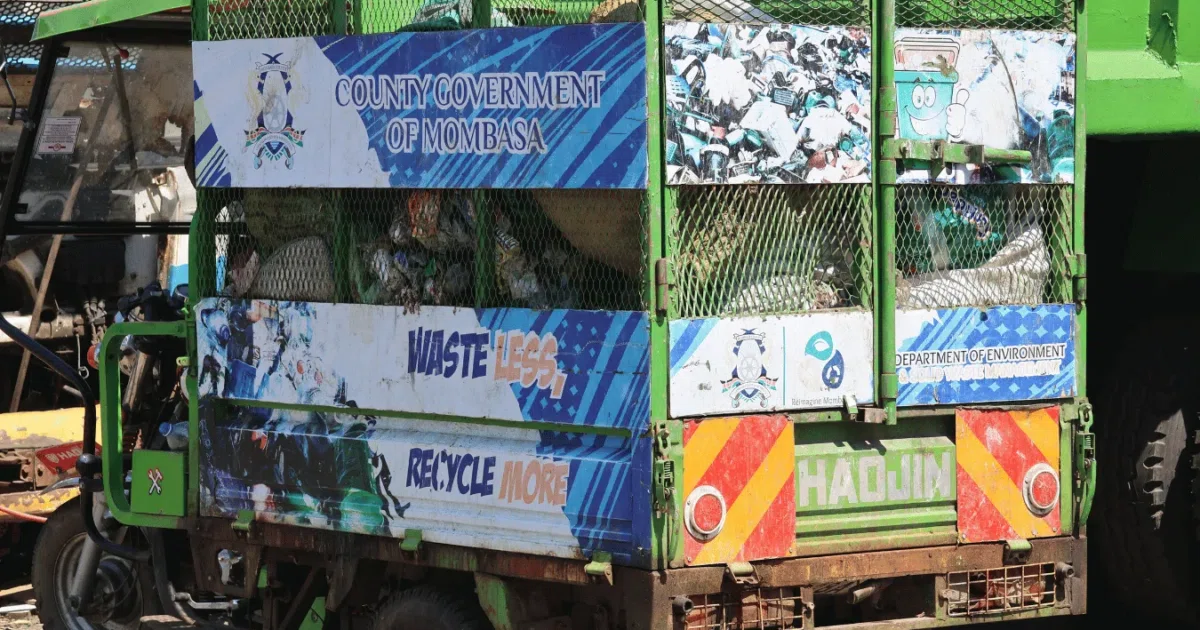
The Intergovernmental Authority on Development (IGAD) has called on governments, businesses and consumers across the Horn of Africa and neighbouring countries to strengthen electronic waste collection and recycling systems. This appeal aims to ensure that the region's digital transformation is matched by measures to manage discarded devices safely and prevent environmental contamination.
Marking International E-Waste Day on 14 October 2026, the regional bloc urged people to repair, reuse and responsibly recycle electronic equipment rather than disposing of it with ordinary household waste. The IGAD Secretariat said that as the region advances its digital transformation, progress must remain sustainable through longer device lifespans, stronger collection systems and safeguards against hazardous materials contaminating ecosystems.
The challenge involves materials that can be recovered for reuse alongside substances that may pose risks to human health and the environment if handled improperly. Without appropriate collection, dismantling and recycling processes, discarded devices can enter informal waste streams where unsafe handling may expose workers and communities to harmful substances.
Global e-waste generation increased by 82% between 2010 and 2022, growing almost five times faster than documented formal collection and recycling. The Global E-waste Monitor 2024 found that the world generated a record 62 billion kilogrammes of electronic waste in 2022, but only 22.3% was documented as formally collected and recycled in an environmentally sound manner.
Building effective systems could support resource efficiency and create opportunities for repair businesses, collection services and recycling enterprises. The approach has an economic dimension because electronic waste contains recoverable metals, plastics, glass and other materials that can re-enter production when processed appropriately.
The 2026 campaign for International E-Waste Day focuses on the theme "Recycle it all, no matter how small!", drawing attention to small items like cables, chargers and small appliances. These items are frequently overlooked or placed in general rubbish.
Key facts
- The world generated a record 62 billion kilogrammes of electronic waste in 2022.
- Only 22.3% of global e-waste was documented as formally collected and recycled in an environmentally sound manner.
- IGAD called for stronger e-waste collection and recycling systems to prevent environmental contamination.
Three perspectives
Neutral
The Intergovernmental Authority on Development (IGAD) has urged the Horn of Africa to improve electronic waste management to match its digital transformation.
Positive
Effective recycling systems could support resource efficiency and create opportunities for repair businesses and recycling enterprises.
Negative
Discarded devices entering informal waste streams can expose workers and surrounding communities to harmful substances.
Your week in news, every Wednesday
The biggest stories of the week for your edition, in your inbox every Wednesday morning, your time. Free, and you can unsubscribe at any time.