 United Kingdom
UK unveils maritime defence plan with 10 nations to counter Russian threat
The Northern Navies Initiative will integrate sea drones and warships across the UK, Netherlands, and Baltic and Nordic countries following a 41% increase in Russian naval activity.
 Politics Desk 3 min read
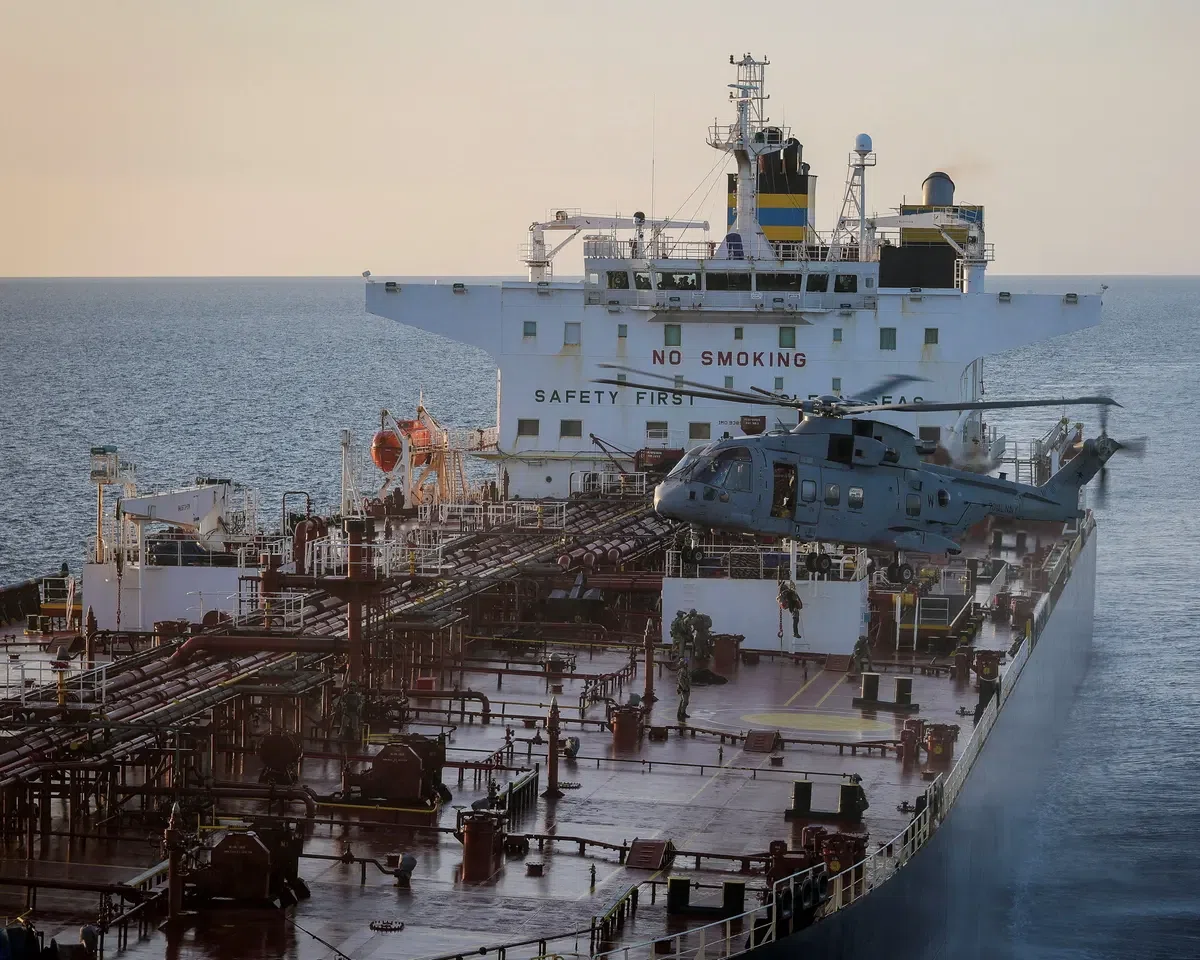
The United Kingdom has unveiled a plan to integrate the maritime defence capabilities of 10 countries, including the sharing of sea drones and warships, in response to a growing threat from Russia. The Northern Navies Initiative is a British-led defence framework that will link the UK’s autonomous systems with its Baltic, Nordic and Dutch allies to create a unified surveillance capability. This 10-country alliance combines the Royal Navy with those of the Joint Expeditionary Force (JEF) nations, including Denmark, Estonia, Finland, Iceland, Latvia, Lithuania, the Netherlands, Norway, and Sweden.
Luke Pollard, the minister for defence readiness, said Russian naval activity around the UK has increased by 41 per cent in the first nine months of the year. He described the figure as a huge increase and said the new initiative was justified by these violations. The model intends for British autonomous drones to be able to work interchangeably with warships from allied nations, such as Danish or Norwegian vessels.
The UK plans to spend £90 million on drones, sensors and artificial intelligence systems to help the Royal Navy counter Russian undersea threats and protect critical infrastructure. This includes a further £90 million for underwater drones and sensors to monitor the Greenland-Iceland-UK gap for Russian submarine activity. The initiative aims to allow nations to act early and transition seamlessly into NATO command if the Alliance needs to mobilise at scale.
Russian activity has included spy ships like the Yantar sailing near UK waters to map undersea cables and obtain a picture of critical national infrastructure. Russian frigates have also been active in the North Sea and the Channel throughout 2026, sometimes escorting oil tankers or firing shots near a pleasure yacht south of the Isle of Wight in June. Pollard said Russia's northern fleet retains a formidable undersea presence and that Moscow has continued to invest in it throughout the Ukraine war.
The cross-party defence select committee warned last month that the navy risked failing to deter Russian aggression due to shortfalls in the number and availability of warships and submarines. Pollard blamed the Conservatives for these capacity shortfalls, accusing them of cutting budgets and delaying investment while in government. He stated that decisions taken 10 or 15 years ago have resulted in fewer ships and submarines being available.
Key facts
- Russian naval activity around the UK increased by 41 per cent in the first nine months of the year.
- The Northern Navies Initiative links the UK with nine other JEF nations to create a unified maritime surveillance capability.
- The UK will spend £90 million on drones, sensors and artificial intelligence to counter undersea threats.
- The plan allows British autonomous drones to be teamed with warships from allied nations.
Three perspectives
Neutral
The UK has launched the Northern Navies Initiative to integrate maritime defence capabilities with Baltic, Nordic and Dutch allies.
Positive
The new framework aims to create one large maritime force instead of 10 separate ones through greater interoperability.
Negative
The navy faces risks of failing to deter Russian aggression due to shortfalls in the number and availability of warships and submarines.
Your week in news, every Wednesday
The biggest stories of the week for your edition, in your inbox every Wednesday morning, your time. Free, and you can unsubscribe at any time.