

 Iceland
Solar panels and battery installed at Elliðaey house
A solar energy system has been installed at the house on Elliðaey, a small volcanic island off the southern coast of Iceland.
 Technology Desk 2 min read
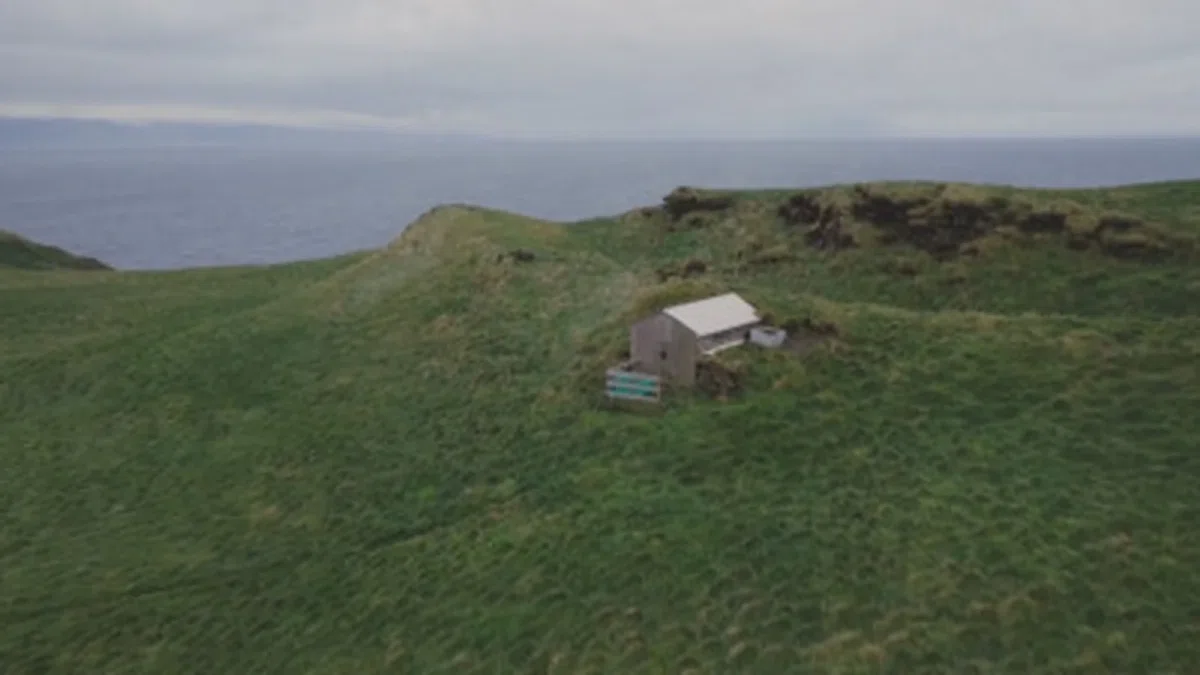
A solar energy system has been installed at the house on Elliðaey, a small volcanic island off the southern coast of Iceland. The system includes two solar panels and a battery with a capacity of 5 kilowatt-hours. Solar energy is converted into electricity, and any surplus can be stored for later use.
For the last 60 to 70 years, the house has relied on diesel and propane for maintenance. Delivering fuel to the island is extremely difficult because it must be transported by boat and pulled up steep cliffs, sometimes using a winch from the sea to the land. Ragnar Thor Johansson, chairman of the Elliðaey island association, said that getting fuel there is extremely difficult and not good for the environment.
The new system provides electricity for a lit stove, light in the room, a cup of coffee, and charging a phone. Simon Smith, a specialist in autonomous energy systems, said that because there is no possibility of connection to the power grid, the battery and solar panels make sense. Smith noted that the system is being tested in one of the most extreme environments imaginable, where it either works or it does not.
Ragnar Thor Johansson said life at the house will change significantly, allowing for better food storage and saving money. The island is surrounded by Atlantic Ocean waves and untamed winds that make access for marine vessels a challenge. While the system cannot stop the wind or make the cliffs more accessible, it changes the relationship between people and the remote place.
Key facts
- The solar system consists of two solar panels and a 5 kilowatt-hour battery.
- The house on Elliðaey was built in 1953.
- The island association chairman is Ragnar Thor Johansson.
Three perspectives
Neutral
A solar energy system with two panels and a 5 kilowatt-hour battery has been installed at the house on Elliðaey.
Positive
Ragnar Thor Johansson said the new system will allow for better food storage, save money, and help the environment.
Negative
Access to the island is a challenge because waves and currents make bringing marine vessels to the shore difficult.
Your week in news, every Wednesday
The biggest stories of the week for your edition, in your inbox every Wednesday morning, your time. Free, and you can unsubscribe at any time.