

Global gaps in early warning systems persist as climate risks rise
A UN report finds that while many countries have increased early warning capacity, gaps in financing and operational readiness remain, especially in low-income nations.
 Climate Desk 2 min read
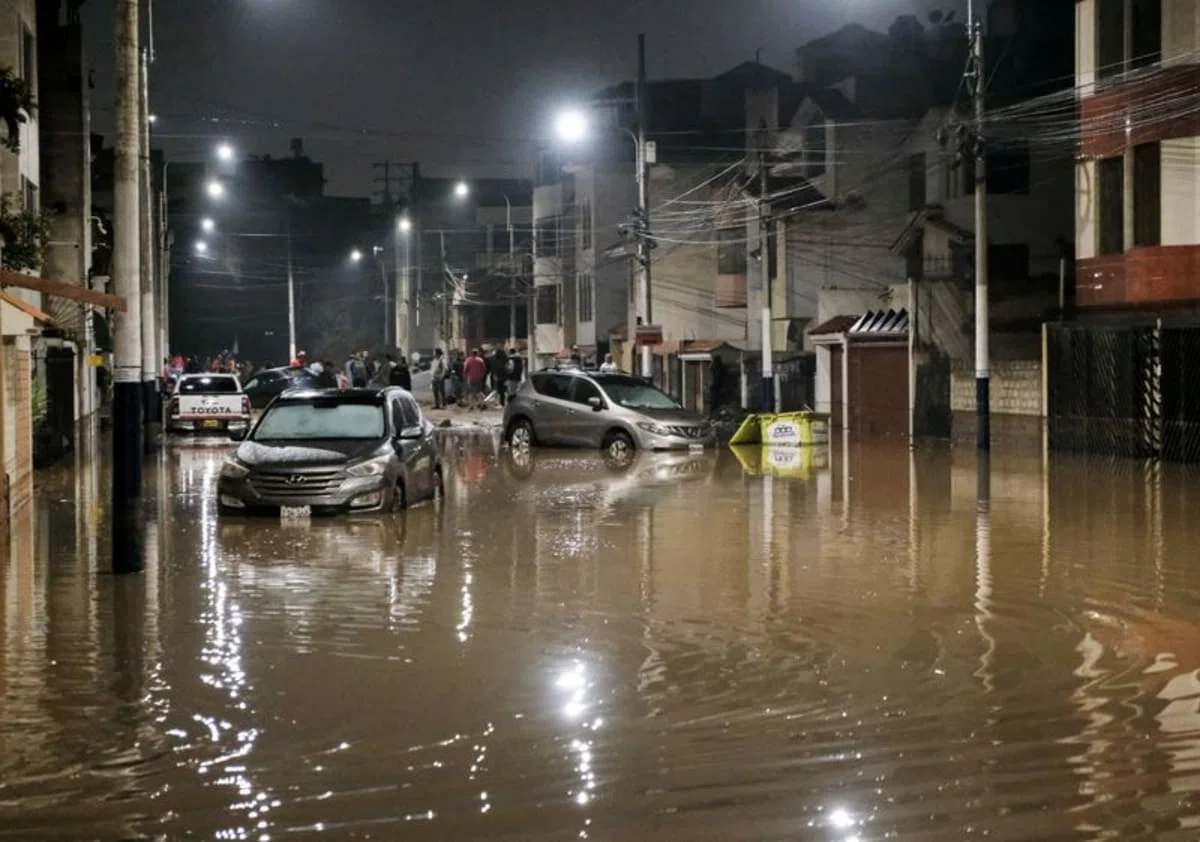
A UN report found that gaps remain in disaster risk knowledge, detection, monitoring, forecasting, warning dissemination, and preparedness. While 136 countries, or more than two-thirds, have some early warning capacity, only 64 have capability across all four pillars.
The head of the UN's Office for Disaster Risk Reduction said a 2027 target of full coverage for everybody is unlikely to be met. In low-income and lower-middle-income countries, fewer than half of those warned were able to act on the warning, compared with three-quarters in upper-middle-income countries.
In Nepal, an August rock and ice avalanche and flood left thousands dead, injured, or missing and caused almost $3 billion in damages. Although monsoon flood warning systems were in place, the scale and speed of a torrent caused by a glacier collapse meant many people were swept away before they could transmit data to trigger warnings.
At Tribhuvan Trishuli Secondary School, headmaster Rajendra Dawadi evacuated 900 pupils after receiving phone call warnings from people further up the valley. Dawadi said there were no official alerts and that if they had waited for an official alert, they would all have been killed.
In Peru, where 528 tropical glacial lakes are considered at risk of overflowing, real-time monitoring is necessary because the response window for a debris flow is only 15 to 20 minutes. In Lima, Raquel Izarra and 60 other volunteers use a homemade gauge to measure rainfall and send data via WhatsApp to help their community prepare for flooding and mudslides.
The COP31 talks in Turkey, which end on November 20, will include debates on equipping communities to cope with extreme weather risks caused by global warming. In Africa, the extra investment required for such systems ranges between $5 billion and $10 billion.
Key facts
- Only 64 countries have early warning capability across all four pillars.
- An August flood in Nepal caused almost $3 billion in damages.
- The African Development Bank says Africa needs between $5 billion and $10 billion in extra investment for these systems.
Three perspectives
Neutral
A UN report shows that while early warning capacity has increased by 143% since 2015, significant gaps in financing and operational readiness remain.
Positive
In Nepal, headmaster Rajendra Dawadi saved 900 pupils by evacuating them following unofficial phone call warnings.
Negative
In low-income countries, fewer than half of those who receive warnings are able to act on them.
Your week in news, every Wednesday
The biggest stories of the week for your edition, in your inbox every Wednesday morning, your time. Free, and you can unsubscribe at any time.