 United Kingdom
UN top court to rule on Myanmar genocide case
The International Court of Justice will deliver its verdict on whether Myanmar committed genocide against the Rohingya Muslim minority.
 World Desk 2 min read
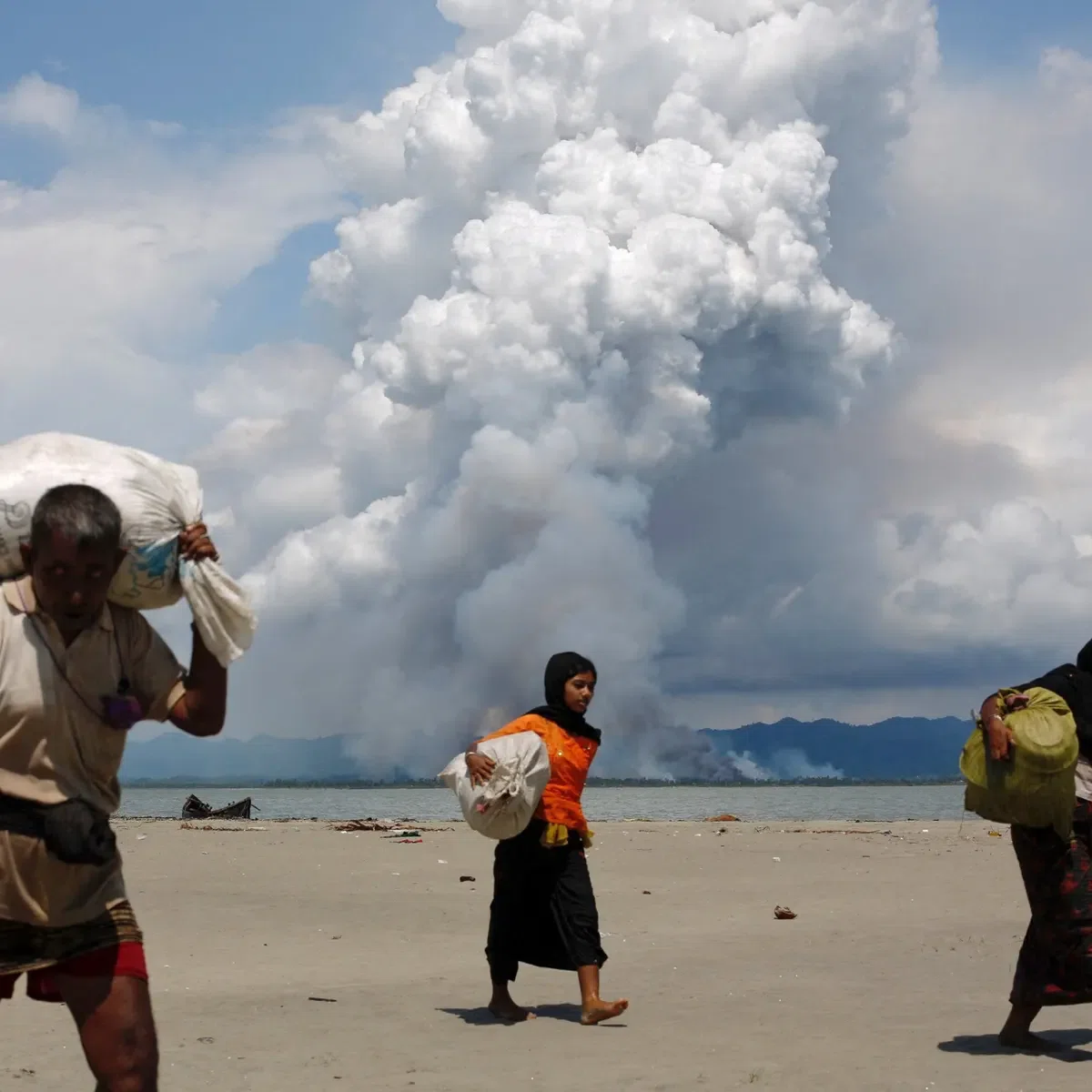
The International Court of Justice is scheduled to deliver a verdict on Thursday regarding whether Myanmar committed genocide against the Rohingya Muslim minority. The case was brought by The Gambia, which accuses Myanmar of attempting to destroy the Rohingya people during a military crackdown in 2016 and 2017. Myanmar has claimed its actions were a response to attacks on police posts by fighters from the Arakan Rohingya Salvation Army.
The ruling, to be announced by ICJ president Yuji Iwasawa, marks the court's first judgment on the merits of a genocide case in more than ten years. The panel includes 14 elected judges, with The Gambia having selected Nobel laureate Navi Pillay as an ad hoc judge.
Legal experts suggest the decision could influence South Africa's ongoing genocide case against Israel in Gaza. US Secretary of State Marco Rubio stated that some view international law as an instrument for a global elite to advance interests under the guise of universal principles. Additionally, Waltz asserted that the presence of Navi Pillay on the court was intended to lower the legal threshold for proving genocide to be used against American and allied soldiers.
The Gambia filed the case in November 2019 on behalf of the Organisation of Islamic Cooperation. UN investigators previously found that Myanmar soldiers carried out mass killings and systematic sexual violence, which they said indicated genocidal intent. Since the violence, approximately 740,000 Rohingya were forced to flee to Bangladesh, where the refugee population has reached about 1.2 million.
Key facts
- The ICJ will deliver its verdict on the Myanmar genocide case on Thursday.
- The Gambia brought the case to the court on behalf of the Organisation of Islamic Cooperation.
- The ruling is the first of its kind on the merits of a genocide case in over a decade.
Three perspectives
Neutral
The International Court of Justice is set to rule on whether Myanmar's military actions against the Rohingya constitute genocide.
Positive
The Gambia brought the case to the UN's top court to seek accountability for the Rohingya people.
Negative
US officials and thinktanks have warned that a genocide ruling could lead to sanctions and set precedents that impact US and allied interests.
Your week in news, every Wednesday
The biggest stories of the week for your edition, in your inbox every Wednesday morning, your time. Free, and you can unsubscribe at any time.