

Synthetic leopard skins help increase leopard populations in Zambia
The use of Heritage Furs by Lozi royal paddlers has led to a 41% increase in leopard density and a drop in poaching cases.
 Science Desk 2 min read
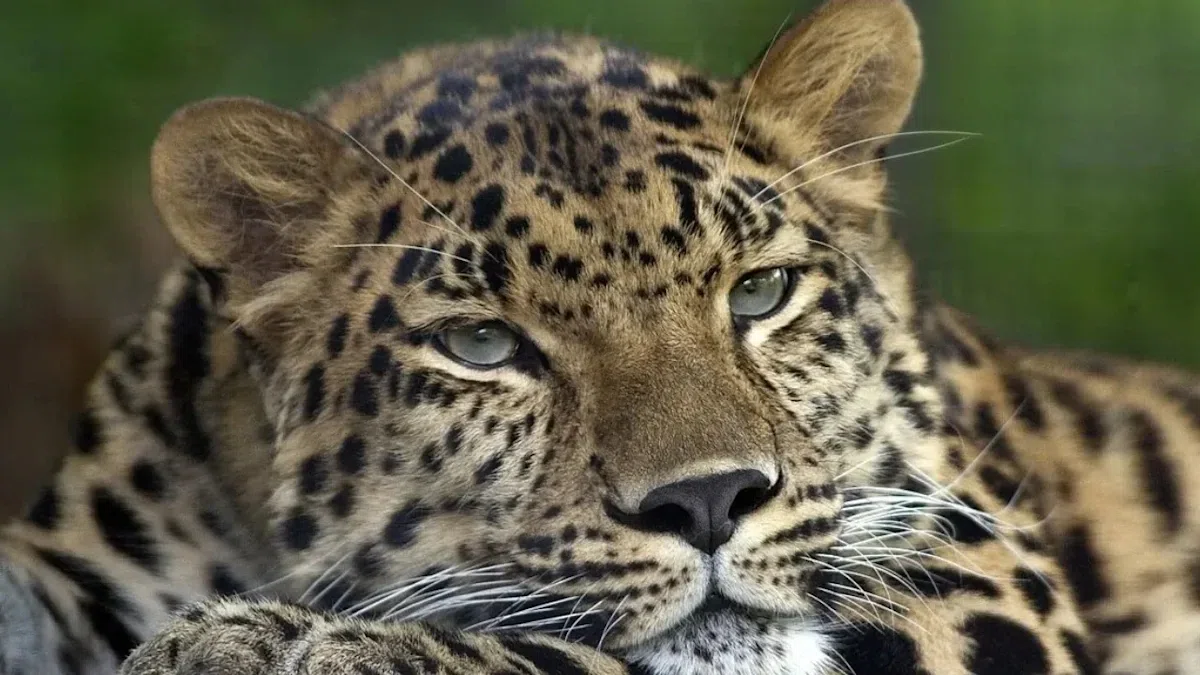
The use of fake leopard skins is helping to save real leopards in Zambia. Through its Furs for Life program, Panthera began providing synthetic leopard skins in Zambia in 2019.
The garments, known as Heritage Furs, closely resemble genuine leopard skins and are worn by royal paddlers during the Kuomboka ceremony. About 1,350 replacement garments were provided free of charge, with plans to reuse them for years.
A 2026 study published in Conservation Biology found that ownership of real leopard skins among surveyed paddlers dropped by 78% between 2020 and 2024. During the Kuomboka ceremony, the share of paddlers wearing genuine leopard fur fell from 39% in 2022 to 10% in 2024.
Leopard density increased from 2.7 to 3.8 animals per 100 square kilometers, a rise of roughly 41%. Recorded poaching cases in the Greater Kafue region fell from fourteen during 2018 through 2020 to two during 2021 through 2024.
Researchers linked this progress to the replacement garments, stronger wildlife patrols, and action against illegal trafficking. Panthera has also begun working with newer bio-based fabrics designed to use less energy and produce fewer emissions than conventional synthetic materials.
While some commenters praised the change, others raised questions about the environmental impact of synthetic fur and what happens to existing real skins. One commenter argued that local communities should not bear the blame for the wider demand for leopard products.
Key facts
- Leopard density increased from 2.7 to 3.8 animals per 100 square kilometers.
- Ownership of real leopard skins among surveyed paddlers dropped by 78% between 2020 and 2024.
- Poaching cases in the Greater Kafue region fell from fourteen between 2018 and 2020 to two between 2021 and 2024.
Three perspectives
Neutral
The Lozi people of western Zambia have used leopard skins during important royal ceremonies for generations.
Positive
The replacement garments have helped increase leopard density by roughly 41% and reduced poaching in the Greater Kafue region.
Negative
Some observers raised concerns regarding the environmental impact of synthetic fur and the responsibility of local communities for wider demand.
Your week in news, every Wednesday
The biggest stories of the week for your edition, in your inbox every Wednesday morning, your time. Free, and you can unsubscribe at any time.