

 South Africa
Ancient human DNA recovered from cave walls for the first time
Researchers found mitochondrial DNA on rock surfaces in Spain and Portugal, showing genetic material can survive for thousands of years.
 Science Desk 2 min read
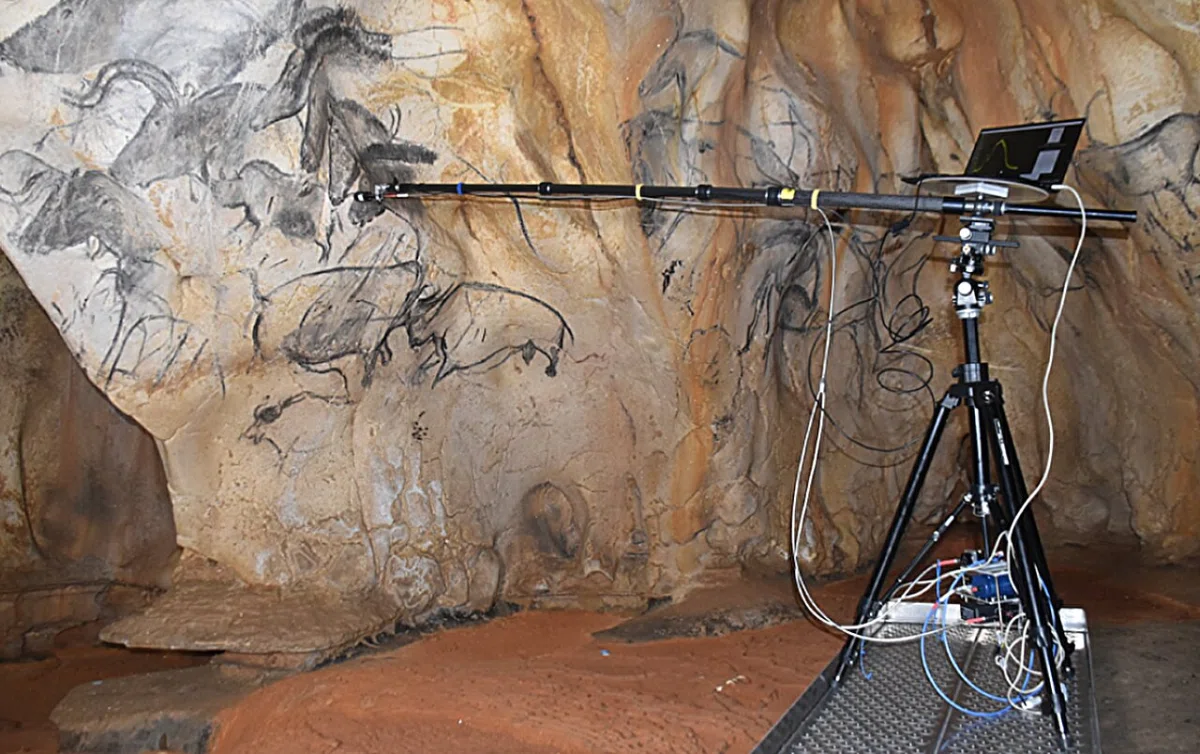
Researchers have recovered ancient human DNA from cave walls for the first time, demonstrating that genetic material can survive on rock surfaces for thousands of years. The study, featured in Nature Communications, involved examining 24 rock art panels from 11 caves.
Of 54 samples analysed, five produced authentic ancient human mitochondrial DNA. One sample came from a calcite crust with pigment beneath it in Escoural Cave, Portugal, while two more came from unpigmented walls in a deeper gallery of the same cave. Two additional samples were found on unpigmented surfaces beside rock art in Covarón Cave in northern Spain.
Two samples contained no detectable mitochondrial DNA from other animals, a pattern suggesting humans deposited the DNA directly through saliva or other bodily fluids. Three other samples from unpigmented walls held both human and animal DNA, which points to indirect routes such as water movement or sediment transfer.
The DNA revealed that three samples came mostly from females and one mostly from males. Further analysis of the two unpigmented Covarón samples showed they came from Homo sapiens, with nuclear DNA placing them in the Western hunter-gatherer genetic cluster.
Senior author Matthias Meyer, a paleogeneticist at the Max Planck Institute, said the study fundamentally changes how researchers think about where ancient DNA can be found. Alba Bossoms Mesa, a doctoral researcher at the Max Planck Institute, said the traces cannot be directly connected to the creation of rock art.
The First Art project, which includes institutions in the UK, China, and Germany, aims to date the earliest cave art and characterise its chemical composition. Recovery remains difficult, as an Altamira bird bone airbrush yielded no ancient human DNA, likely due to high contamination by present-day human DNA.
Key facts
- Ancient human mitochondrial DNA was recovered from cave walls in Spain and Portugal for the first time.
- Five out of 54 samples produced authentic ancient human mitochondrial DNA.
- The findings suggest genetic material can survive on rock surfaces for thousands of years.
Three perspectives
Neutral
Researchers recovered ancient human DNA from cave walls in Spain and Portugal, finding that some samples contained both human and animal DNA.
Positive
The study offers the first evidence of human DNA preservation on cave walls for thousands of years and could allow scientists to investigate prehistoric behaviour without disturbing archaeological deposits.
Negative
Recovery of DNA remains hard, as seen when a prehistoric bird bone airbrush yielded no ancient human DNA due to contamination.
Your week in news, every Wednesday
The biggest stories of the week for your edition, in your inbox every Wednesday morning, your time. Free, and you can unsubscribe at any time.