

 South Africa
SADC pushes to scrap farm trade barriers to stabilise regional prices
The Southern African Development Community is implementing measures to remove non-tariff barriers to facilitate intra-regional trade and reduce post-harvest losses.
 Business Desk 2 min read
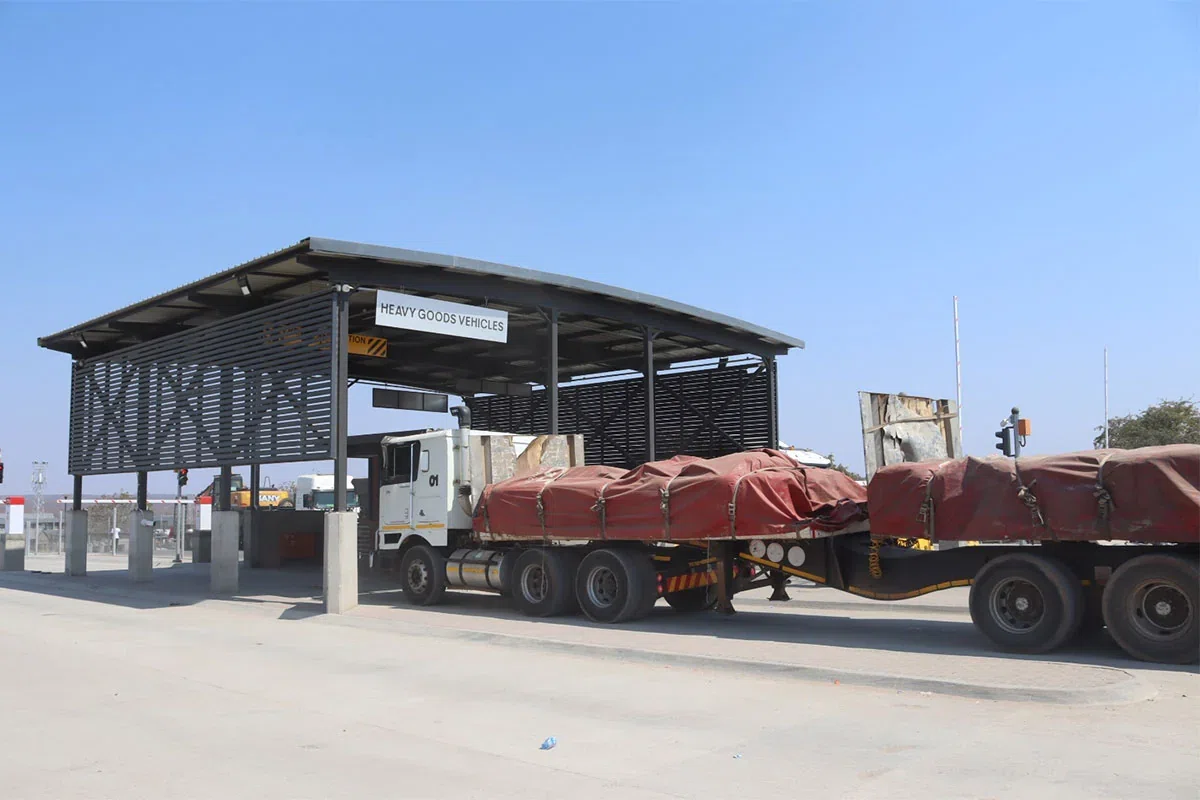
The Southern African Development Community (SADC) is implementing measures to remove non-tariff barriers to facilitate intra-regional trade. This directive, issued at the 46th SADC Summit in Durban on 17 August, aims to stabilise supply and prices for farmers and consumers across the region.
A SADC statement dated 17 April 2026 said a draft publication concerning non-tariff barriers was submitted to a committee of justice ministers and attorney generals for consideration and adoption. These barriers include any policy, regulation, or administrative rule, other than a traditional tax or duty, that makes the importation or exportation of goods and services difficult or costly.
Agricultural economist Elliot Lumbe said removing these barriers would rely on governments simplifying import and export permits and customs documentation, introducing coordinated border inspections, and making more use of digital certificates. He also noted that removing barriers would require recognising credible testing laboratories and certification systems, investing in infrastructure like roads and cold chains, and publishing clear rules.
Faster border clearance is particularly needed for horticulture, dairy, and meat products because they deteriorate when trucks are delayed. Removing barriers could lead to fewer post-harvest losses. If farmers can depend on predictable access to regional markets, they may be more willing to invest in irrigation, improved seed, machinery, storage, livestock production, and agro-processing.
Zimbabwean agricultural economist Linda Kachona said redundant inspections and unharmonised seed and fertiliser registrations have acted as a hidden tax on farmers. Harmonising standards would eliminate this tax because a product approved in one SADC country would be accepted in another. This could lead to lower input costs for fertiliser and seed, and more stable prices for consumers.
However, increased imports could put downward pressure on local prices and affect the competitiveness of local farmers. Small-scale farmers with high production costs may struggle unless they improve productivity, quality, and market access.
Key facts
- SADC is pushing member states to scrap farm trade barriers to stabilise supply and prices.
- The directive was issued at the 46th SADC Summit held on 17 August in Durban.
- A draft publication concerning non-tariff barriers was submitted to a committee of justice ministers and attorney generals in April 2026.
Three perspectives
Neutral
SADC is working to remove non-tariff barriers to facilitate intra-regional trade and harmonise standards.
Positive
Removing barriers could reduce post-harvest losses, lower input costs, and allow farmers to invest more in production.
Negative
Increased imports could put downward pressure on local prices and make it difficult for small-scale farmers with high production costs to compete.
Your week in news, every Wednesday
The biggest stories of the week for your edition, in your inbox every Wednesday morning, your time. Free, and you can unsubscribe at any time.