

 United States
U.S. imposes 100% tariff on imported branded or patented pharmaceuticals
The U.S. government has implemented a 100% tariff on imported branded or patented pharmaceutical products, affecting sectors including oncology, anti-diabetes, and vaccines.
 Business Desk 2 min read
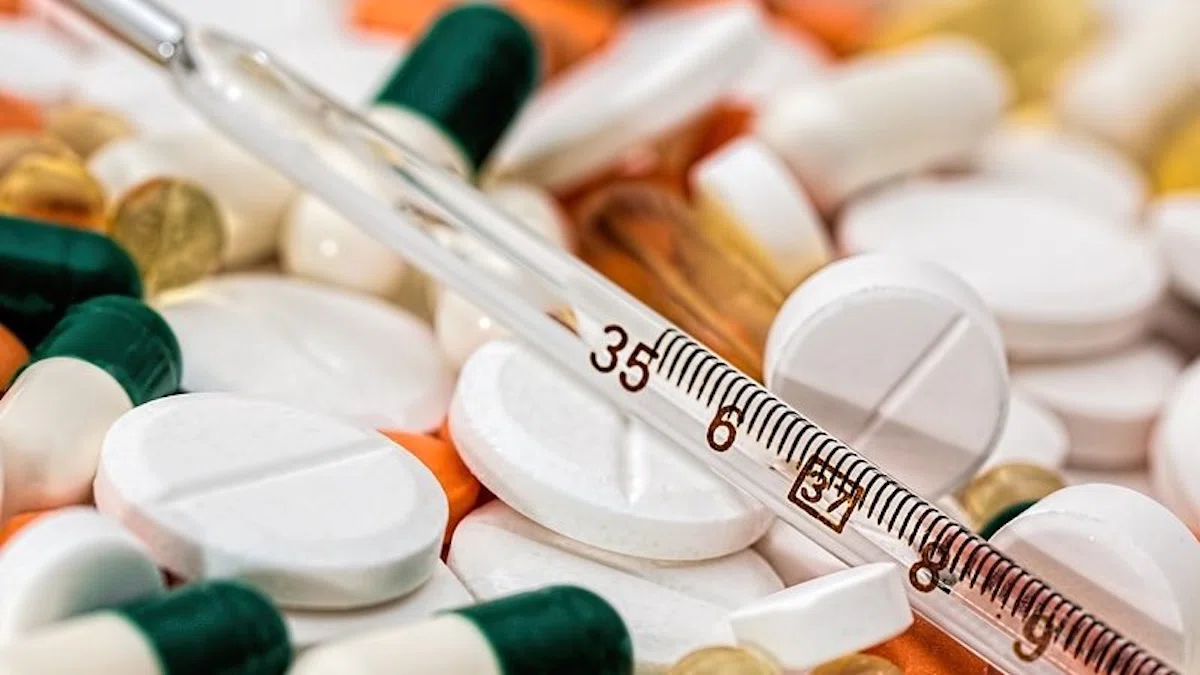
The United States government has imposed a 100% tariff on imported branded or patented pharmaceutical products. Implementation has been postponed and delayed to allow manufacturers time to negotiate exemptions. Drug manufacturers are exempt from the 100% tariff if they already have, or have started building, manufacturing facilities inside the United States.
The U.S. implemented a Section 232 tariff structure starting July 31, 2026, with broader deadlines through September 29, 2026. Key areas of focus for these tariffs include oncology drugs, anti-diabetes drugs, and vaccines.
The tariffs will impact many countries, including ASEAN member states. In Singapore, pharmaceuticals make up 13% of US-bound exports, though these primarily consist of active ingredients or intermediate production rather than final branded formulations. This structure has buffered manufacturing plants against immediate punitive blows.
The ASEAN pharmaceutical market is valued at approximately US$27 billion with a compound annual growth rate of 8.1%, nearly double the global average of 4.3%. While most Southeast Asian countries remain heavily reliant on pharmaceutical imports, the region is becoming an attractive destination for contract manufacturing.
In Thailand, the government is promoting the biotech and biopharma sectors through incentives such as tax breaks, grants, and research and development support. The country has established research infrastructure including Thailand Science Park and Biopolis. Vietnam is also showing potential in the biopharma industry through government investment in healthcare infrastructure.
Key facts
- The U.S. has imposed a 100% tariff on imported branded or patented pharmaceutical products.
- Manufacturers with existing or under-construction U.S. facilities are exempt from the tariff.
- The ASEAN pharmaceutical market is valued at approximately US$27 billion.
Three perspectives
Neutral
The United States has implemented a 100% tariff on imported branded or patented pharmaceutical products, affecting various global markets.
Positive
Manufacturers can avoid the 100% tariff by having or building manufacturing facilities within the United States.
Negative
The implementation of Section 232 tariffs on oncology, anti-diabetes, and vaccine products will impact many countries.
Your week in news, every Wednesday
The biggest stories of the week for your edition, in your inbox every Wednesday morning, your time. Free, and you can unsubscribe at any time.