

Scientists propose cause for billion-year gap in Earth's geologic record
Computer simulations suggest mantle movements uplifted ancient continents, allowing ice sheets to erode away missing rock layers.
 Science Desk 2 min read
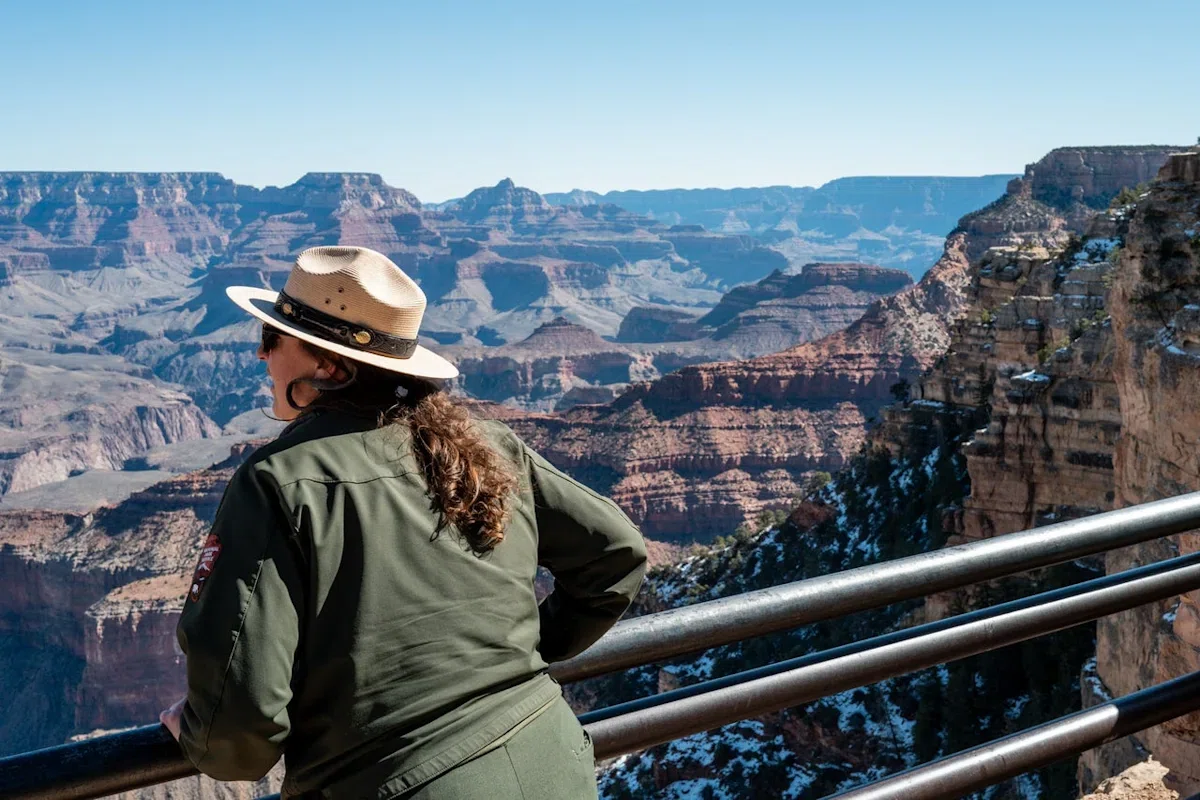
Researchers believe they have identified the cause of the Great Unconformity, a massive gap in the geological record where more than one billion years of Earth's history is missing. This phenomenon, first described in the late 1800s within the Grand Canyon, involves a gap between older crystalline rocks and younger sedimentary layers.
The study, published in the journal Nature, suggests that movements in the Earth's viscous mantle layer caused ancient continental blocks to rise. Computer models used by researchers at the University of Wollongong showed that mantle convection uplifted parts of Laurentia, Baltica, and North China between one billion and 540 million years ago.
During this period of uplift, the continents were likely subjected to the Snowball Earth era, when moving ice sheets may have scraped away the rock layers. These frozen masses would have eroded the raised landscapes more effectively than rivers, wiping out millions of years of rock accumulation before the continents eventually sank back down.
“Sometimes what is missing can tell us more about the story of Earth than what we can see,” said geoscientist Nicolas Flament. The erosion may have also influenced biological history by exposing older rocks and releasing elements like iron, manganese, carbon, and potassium into the oceans. This process could have aided the evolution of marine life shells and increased oxygen in the atmosphere just before the Cambrian explosion.
Key facts
- The Great Unconformity represents a gap of over one billion years in the geologic record.
- Mantle convection likely uplifted Laurentia, Baltica, and North China between one billion and 540 million years ago.
- Moving ice sheets during the Snowball Earth period may have eroded the uplifted rock layers.
Perspectives
Neutral
The Great Unconformity is a documented gap in the rock layers of North America, northern Europe, and northern China.
Positive
The new research provides a potential solution to a 150-year-old geological mystery through computer modeling.
Your week in news, every Wednesday
The biggest stories of the week for your edition, in your inbox every Wednesday morning, your time. Free, and you can unsubscribe at any time.