

 United Kingdom
Brain stimulation reduces bias linked to sexual objectification of women
Applying mild electric currents to the scalp for ten minutes improved recognition of sexualised images of women and removed processing differences between men and women.
 Science Desk 3 min read
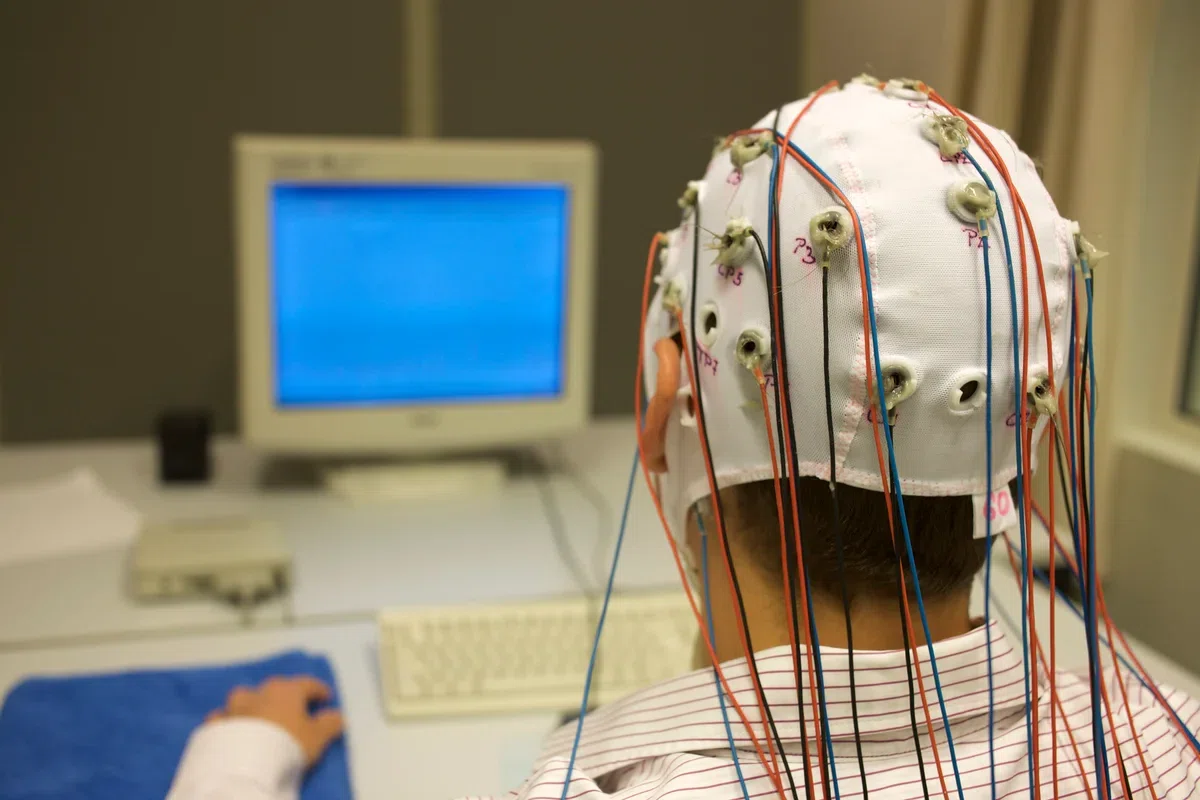
Mild electric shocks to the brain have been found to remove a bias linked to the sexual objectification of women. Research conducted by the University of Exeter found that applying an electrical current to the scalp for ten minutes improved how well participants recognised upright sexualised images of women. This stimulation also removed a difference in the way such images of women and men were processed.
The study, published in the journal Social Neuroscience, involved 54 female students and 22 male students. Participants were asked to memorise sexualised images of female models in underwear, both upright and upside down, and then asked if they recognised the models when mixed with unseen images.
Half of the group received a mild electrical current to the scalp for 10 minutes, while the other half received a placebo treatment of 30 seconds of stimulation. In the placebo group, participants recognised images of male models much more easily when they were upright compared to when they were upside down. For images of women, that advantage was significantly smaller, following a pattern seen for objects.
In the group receiving active electric brain stimulation, recognition of upright images of women improved, and the difference in how images of men and women were processed was no longer present. Professor Ciro Civile, who led the study, said the findings are initial evidence that the way the visual system processes sexualised images of women can be changed, at least temporarily, by mildly stimulating the brain.
Professor Civile said that previous studies had reduced this bias by changing images or the viewer's mindset, such as pixelating body parts or providing humanising information. This study acted directly on the brain of the person doing the looking instead. Because both groups saw the same pictures, the bias appears to lie in how images are processed rather than in the images themselves.
Sexual objectification involves treating a person as a body to be looked at or used rather than as a whole person. It is a dehumanising experience most often felt by women and has been linked to body shame, eating disorders, anxiety, depression, and a greater tolerance of harassment. Professor Civile noted that brain stimulation is no cure for sexism and the study did not measure attitudes or behaviour.
Key facts
- Applying a mild electrical current to the scalp for ten minutes improved recognition of upright sexualised images of women.
- The University of Exeter study involved 54 female and 22 male students.
- Brain stimulation removed the difference in how sexualised images of men and women were processed.
Three perspectives
Neutral
The study found that mild electrical stimulation to the scalp can temporarily change how the visual system processes sexualised images of women.
Positive
The research provides a new way to study how objectification works by acting directly on the brain of the viewer.
Negative
Sexual objectification is a dehumanising experience linked to eating disorders, anxiety, depression, and a greater tolerance of harassment.
Your week in news, every Wednesday
The biggest stories of the week for your edition, in your inbox every Wednesday morning, your time. Free, and you can unsubscribe at any time.