

Nepal's floriculture industry grows to Rs 11.5 billion despite import dependency
Commercial flower farming has expanded to 54 districts, but imports remain 22 times higher than exports, according to Floriculture Association Nepal.
 Business Desk 2 min read
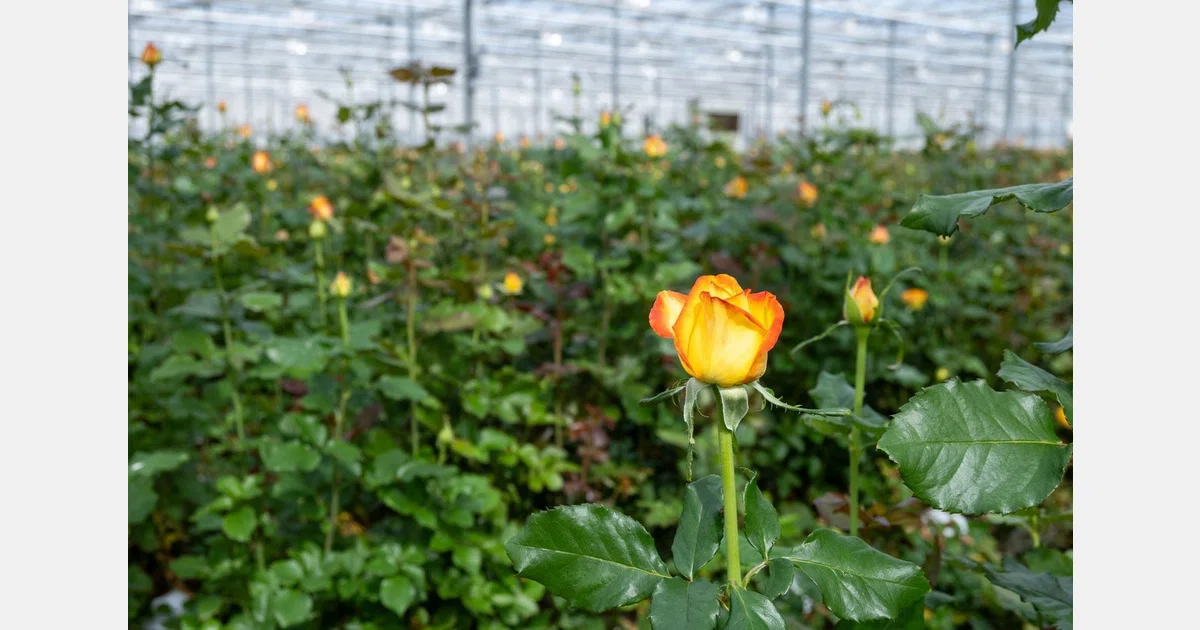
Nepal's floriculture industry has grown into a major commercial agricultural sector with investments exceeding Rs 11.5 billion. The sector employs more than 62,500 people both directly and indirectly.
The industry continues to depend heavily on imports, with the value of flower and flower-related product imports nearly 22 times higher than exports. According to the Floriculture Association Nepal (FAN), this gap reflects the challenge of meeting rising domestic demand despite the expansion of commercial flower farming.
Commercial flower farming is now taking place in 54 districts, while the flower market reaches all 77 districts. FAN General Secretary Hiramani Sharma said the industry faces difficulties related to production capacity, policy implementation, access to seeds and planting materials, and seasonal demand.
The use of flowers has expanded beyond festivals, religious ceremonies, and weddings due to urbanisation, changing lifestyles, and growing interest in aesthetics. This shift has created new opportunities for flower traders and commercial growers.
Commercial floriculture in Nepal began on a small scale in 2011 BS, though growth remained limited for decades. By 2049 BS, the country had only 80 nursery businesses.
Key facts
- Investments in Nepal's floriculture industry have exceeded Rs 11.5 billion.
- Flower and flower-related product imports are nearly 22 times higher than exports.
- Commercial flower farming is occurring in 54 districts.
Three perspectives
Neutral
Nepal's floriculture industry has expanded to 54 districts with investments over Rs 11.5 billion, but imports remain 22 times higher than exports.
Positive
The industry has grown into a major commercial sector employing more than 62,500 people.
Negative
The industry faces challenges including production capacity, policy implementation, and access to seeds and planting materials.
Your week in news, every Wednesday
The biggest stories of the week for your edition, in your inbox every Wednesday morning, your time. Free, and you can unsubscribe at any time.